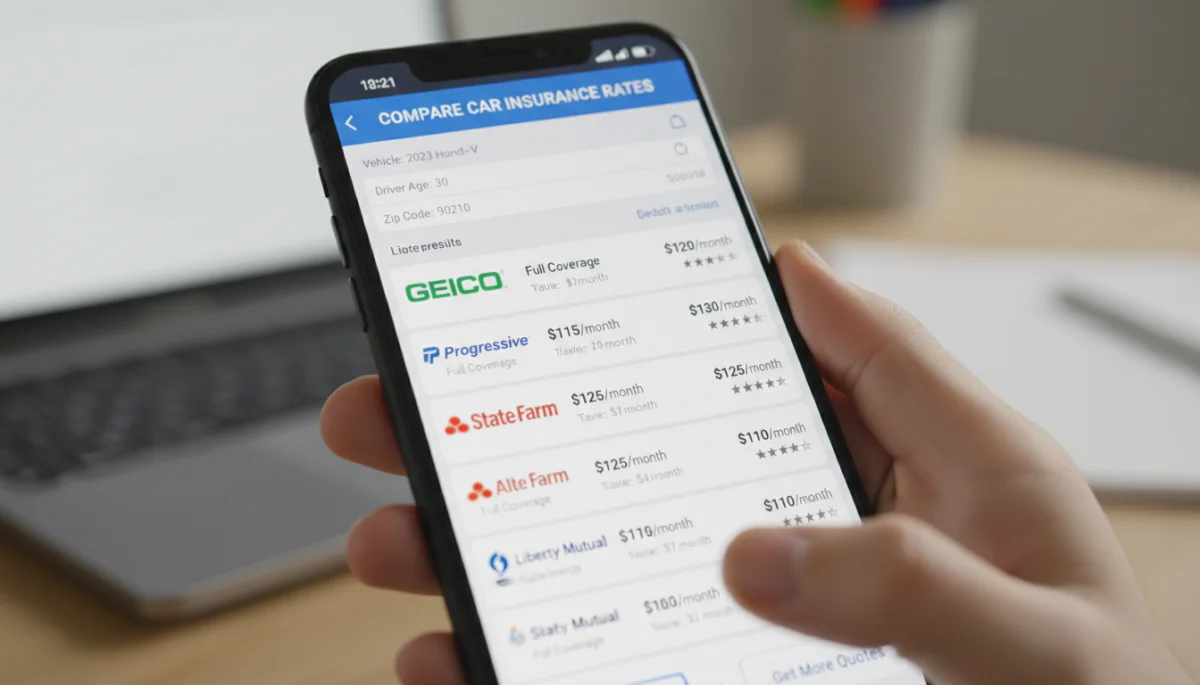
Achieving a 10-20% reduction in US car insurance premiums by 2026 is attainable through strategic actions like comparing quotes, optimizing coverage, improving driving habits, and leveraging available discounts.
By: Rafaela on September 23, 2026
Achieving a 10-20% reduction in US car insurance premiums by 2026 is attainable through strategic actions like comparing quotes, optimizing coverage, improving driving habits, and leveraging available discounts.
Navigating the complexities of car insurance can often feel like a daunting task, especially with premiums seemingly on an upward trajectory. However, with the right strategies and a proactive approach, it is entirely possible to significantly lower car insurance premiums in the US by 10-20% or more by 2026.
This article will guide you through practical, actionable steps to achieve substantial savings without compromising on essential coverage.
Understanding Your Current Policy and Premiums
Before embarking on a quest to lower your car insurance premiums, it’s crucial to thoroughly understand your existing policy. Many drivers simply renew their policies without scrutinizing the details, potentially missing out on opportunities for savings.
Taking the time to review your current coverage, deductibles, and any add-ons can provide a foundational understanding for future adjustments. This initial step is not just about identifying what you pay, but why you pay it.
Deciphering Your Coverage Types
Car insurance policies are comprised of various components, each serving a specific purpose. Understanding these components is key to determining where you might be over-insured or under-insured.
For instance, while liability coverage is mandatory in most states, collision and comprehensive coverages are optional, though often recommended.
Liability Coverage: Pays for damages and injuries you cause to others.
Collision Coverage: Covers damage to your vehicle from an accident, regardless of fault.
Comprehensive Coverage: Protects against non-collision incidents like theft, vandalism, or natural disasters.
Uninsured/Underinsured Motorist: Covers you if the at-fault driver has insufficient or no insurance.
By understanding what each of these covers, you can make informed decisions about what you truly need versus what might be superfluous. For example, if you drive an older vehicle with low market value, collision and comprehensive might not be cost-effective.
Analyzing Your Deductibles
Your deductible is the amount you pay out-of-pocket before your insurance coverage kicks in. Generally, a higher deductible translates to lower monthly premiums. This is a common strategy for reducing costs, but it requires careful consideration of your financial readiness to cover that higher deductible in case of an incident. It’s a balance between immediate savings and potential future expenses.
In essence, a comprehensive review of your current policy is the first and most critical step. It allows you to identify areas for adjustment and sets the stage for a more targeted approach to reducing your premiums effectively. Don’t underestimate the power of knowing exactly what you’re paying for.
Strategic Shopping: Comparing Quotes Annually
One of the most effective and straightforward ways to significantly lower your car insurance premiums is by regularly comparing quotes from multiple providers. Insurance rates are not static; they fluctuate based on a multitude of factors, including market conditions, your driving record, and even changes in your personal circumstances. Relying on a single insurer year after year without exploring alternatives can mean leaving money on the table.
The Power of Comparison Websites
In today’s digital age, comparing insurance quotes has never been easier. Numerous online platforms and aggregators allow you to input your information once and receive quotes from dozens of insurers simultaneously. This streamlines the process, saving you considerable time and effort.
Time Efficiency: Get multiple quotes in minutes, not hours.
Broad Market View: See a wide range of pricing and coverage options.
Identifies Best Deals: Easily spot the most competitive rates for your specific needs.
While these platforms are incredibly useful, it’s also wise to check with some direct insurers not always listed on comparison sites, as they might offer unique deals. Always ensure you are comparing identical coverage levels to get an accurate assessment.
When to Shop Around
While an annual review is highly recommended, certain life events also present opportune moments to shop for new insurance rates. These include:
Policy Renewal: Always compare quotes before your current policy renews.
Major Life Changes: Getting married, moving, or changing jobs can impact rates.
Vehicle Changes: Buying a new car or selling an old one necessitates a new quote.
Driving Record Improvements: After a few years without accidents or tickets, your rates might drop.
Being proactive about comparing quotes is a fundamental strategy for cost reduction. Even if your current insurer offers a competitive rate, knowing what other companies are offering provides leverage for negotiation or confirms you’re getting a good deal. This continuous vigilance is key to ensuring you’re always paying the lowest possible premium for the coverage you need.
Optimizing Your Coverage for Maximum Savings
Once you understand your existing policy and have explored various quotes, the next critical step is to optimize your coverage. This isn’t about cutting corners but rather tailoring your insurance to your actual needs and financial situation. Over-insuring can be just as costly as under-insuring can be risky. The goal is to find the sweet spot where you are adequately protected without paying for unnecessary extras.
Adjusting Deductibles Wisely
As mentioned, increasing your deductible can lead to significant savings on your premiums. For example, moving from a $500 deductible to a $1,000 deductible could reduce your premium by 10-20% or more. However, this decision should be made with a clear understanding of your emergency fund. Can you comfortably afford to pay the higher deductible if an accident occurs? If so, it’s a viable strategy.
Reassessing Collision and Comprehensive Coverage
For older vehicles, the cost of collision and comprehensive coverage might outweigh the potential payout. If your car’s market value is less than 10-12 times your combined collision and comprehensive premiums, it might be financially prudent to drop these coverages. This is especially true for vehicles that are paid off and would be inexpensive to replace out-of-pocket.
Consider the actual cash value of your vehicle. If your car is only worth a few thousand dollars, paying hundreds annually for comprehensive and collision might not be the most economical choice. Self-insuring for these types of damages on an older vehicle can be a smart financial move, freeing up funds that can be saved for a future car purchase or unexpected repairs.
Removing Unnecessary Add-ons
Many policies include optional add-ons like rental car reimbursement, roadside assistance, or new car replacement. While these can be convenient, they also add to your premium. Evaluate whether you truly need these extras. For instance, if you have a reliable second car or a membership with an auto club that offers roadside assistance, you might not need these coverages through your insurance.
Optimizing your coverage is an ongoing process. It requires periodic review to ensure that your policy continues to align with your evolving needs and financial goals. By making informed adjustments, you can effectively reduce your premiums while maintaining adequate protection.
Leveraging Discounts and Special Programs
Insurance companies offer a wide array of discounts that many drivers overlook. Simply asking your insurer about available discounts can uncover significant savings. These programs are designed to reward safe driving, customer loyalty, and certain vehicle features, among other things. Taking advantage of every applicable discount is a powerful way to reduce your overall premium.
Common Discounts to Inquire About
Many discounts are readily available but often require you to proactively ask for them. A quick call to your insurance provider can reveal which ones you qualify for.
Multi-Policy Discount: Bundling car insurance with home or renters insurance.
Good Driver Discount: For maintaining a clean driving record over a certain period.
Good Student Discount: For students with a high GPA.
Defensive Driving Course Discount: Completing an approved defensive driving course.
Anti-Theft Device Discount: Having an alarm or tracking system installed in your vehicle.
Low Mileage Discount: For drivers who don’t drive many miles annually.
It is essential to be thorough when discussing discounts with your agent. Sometimes, discounts are not automatically applied, and you might need to provide proof or request their activation. Don’t assume your insurer has applied everything you’re eligible for.
Telematics and Usage-Based Insurance (UBI) Programs
Telematics programs, also known as usage-based insurance (UBI), are increasingly popular and can offer substantial savings. These programs involve installing a device in your car or using a smartphone app that tracks your driving habits, such as speed, braking, mileage, and time of day you drive.
Safe drivers can see significant reductions in their premiums through these programs, often ranging from 10-30%. While some drivers may be hesitant about privacy concerns, the potential savings can be a strong motivator, particularly for those with excellent driving habits. Many insurers offer an initial discount just for signing up, with further reductions based on your driving data.
Proactively seeking out and applying for every discount you qualify for is a non-negotiable step in lowering your car insurance premiums. These small reductions can add up to substantial annual savings, making a significant impact on your personal finance budget.
Improving Your Driving Record and Credit Score
Your driving record and credit score are two of the most influential factors insurers use to determine your premium rates. A clean driving history signals lower risk, while a good credit score suggests financial responsibility. Focusing on improving both areas can lead to considerable long-term savings on your car insurance.
Maintaining a Pristine Driving Record
Avoiding accidents and traffic violations is paramount. Each ticket or at-fault accident can lead to increased premiums for several years. Insurers typically look back three to five years when assessing your driving history. Consistent safe driving demonstrates responsibility and reduces your perceived risk.
Practice Defensive Driving: Anticipate potential hazards and react safely.
Obey Traffic Laws: Adhere to speed limits and traffic signals.
Avoid Distractions: Refrain from using your phone or engaging in other distracting activities while driving.
Even minor infractions can accumulate points on your license, which insurers will note. If you do receive a ticket, consider attending traffic school if available, as it can sometimes prevent points from appearing on your record or lead to a dismissal.
Boosting Your Credit Score
In most states, insurance companies use a credit-based insurance score as a factor in determining premiums. Studies have shown a correlation between credit scores and the likelihood of filing a claim. A higher credit score often results in lower insurance rates because it suggests greater financial stability and responsibility.
Improving your credit score takes time and consistent effort, but the benefits extend far beyond car insurance. Strategies include paying bills on time, keeping credit utilization low, and avoiding new debt. Regularly checking your credit report for errors and disputing any inaccuracies can also help maintain a healthy score. As your credit score improves, make sure to inform your insurance provider or shop around for new quotes, as the updated score could qualify you for better rates.
By diligently working on both your driving record and credit score, you’re not just reducing your car insurance costs; you’re also building a stronger financial foundation. These improvements demonstrate to insurers that you are a reliable and lower-risk client, directly translating into more favorable premiums.
Vehicle Choices and Anti-Theft Measures
The type of vehicle you drive plays a significant role in determining your insurance premiums. Some cars are inherently more expensive to insure due to factors like repair costs, safety ratings, and theft rates. Additionally, installing anti-theft devices can provide a dual benefit: deterring theft and potentially lowering your insurance costs.
Impact of Vehicle Type on Premiums
When considering a new vehicle, it’s wise to research its insurance costs before making a purchase. Sporty cars, luxury vehicles, and those with high horsepower often come with higher premiums due to their higher theft rates, repair costs, and increased likelihood of being involved in serious accidents.
Safety Ratings: Vehicles with excellent safety ratings often qualify for lower premiums.
Repair Costs: Cars with expensive or specialized parts will have higher repair costs, impacting comprehensive and collision rates.
Theft Rates: Popular targets for thieves will typically have higher comprehensive premiums.
Conversely, sedans, minivans, and SUVs with good safety records and moderate repair costs tend to be cheaper to insure. Opting for a vehicle that is less expensive to repair and less attractive to thieves can immediately contribute to lower premiums.
Benefits of Anti-Theft Devices
Installing anti-theft devices is a proactive step that can protect your vehicle and save you money on insurance. Many insurance companies offer discounts for vehicles equipped with approved anti-theft systems.
Car Alarms: A basic deterrent that can lower comprehensive premiums.
Vehicle Recovery Systems: GPS tracking systems like LoJack can lead to significant discounts.
Engine Immobilizers: Prevent the engine from running without the correct key or transponder.
Before investing in an anti-theft device, check with your insurance provider to see which systems they approve for discounts and what the potential savings might be. The cost of installation might be offset by the long-term savings on your premiums, making it a worthwhile investment for both security and financial reasons. Making informed choices about your vehicle and enhancing its security are tangible ways to control and reduce your insurance expenses.
Annual Review and Expert Consultation
Even after implementing various strategies to lower your premiums, the landscape of car insurance is constantly evolving. New policies, discounts, and market conditions emerge regularly. Therefore, an annual review of your insurance policy and, when necessary, a consultation with an independent insurance agent, are vital steps to ensure you continue to secure the best possible rates.
The Importance of Annual Policy Review
Set a reminder to review your car insurance policy at least once a year, ideally a few weeks before its renewal date. This allows you ample time to compare quotes, assess your coverage needs, and make any necessary adjustments without feeling rushed. During this review, consider:
Changes in Life Circumstances: Have you moved, changed jobs, or added/removed drivers from your policy?
Vehicle Age and Value: Does your car’s depreciation warrant a change in collision/comprehensive coverage?
Driving Record: Have any points from tickets expired, or have you maintained a clean record for another year?
This annual check-up ensures that your policy remains aligned with your current situation, preventing you from paying for outdated or unnecessary coverage. It also provides an opportunity to apply for new discounts you might now qualify for.
Benefits of Consulting an Independent Agent
While direct online comparisons are convenient, an independent insurance agent can offer personalized advice and access to a broader range of insurers. Unlike captive agents who work for a single company, independent agents work with multiple providers, allowing them to compare policies and find the best fit for your specific needs and budget.
An independent agent can provide valuable insights into complex coverage options, identify obscure discounts you might miss, and act as an advocate in case of a claim. Their expertise can be particularly beneficial if you have unique circumstances or are struggling to find competitive rates on your own. They can often uncover savings that are not readily apparent through online tools.
The annual review, coupled with expert consultation, forms a robust strategy for long-term savings. By staying informed and leveraging professional guidance, you can confidently navigate the insurance market and ensure your premiums remain as low as possible while still providing comprehensive protection.
Key Strategy
Brief Description
Compare Quotes Annually
Shop around with multiple insurers yearly to find the most competitive rates.
Optimize Coverage
Adjust deductibles, drop unnecessary coverages on older cars, and remove add-ons.
Utilize Discounts
Ask about and apply all eligible discounts, including multi-policy and good driver.
Improve Driving/Credit
Maintain a clean driving record and boost your credit score for better rates.
Frequently Asked Questions About Car Insurance Savings
How often should I compare car insurance quotes?▼
It is highly recommended to compare car insurance quotes at least once a year, ideally a few weeks before your current policy’s renewal date. This ensures you are always aware of the most competitive rates available and can switch providers if better deals emerge, maximizing your potential savings.
Can increasing my deductible really lower my premiums significantly?▼
Yes, increasing your deductible can lead to substantial reductions in your car insurance premiums. Moving from a $500 deductible to $1,000 or more often results in a 10-20% decrease in your monthly or annual costs. However, ensure you have sufficient savings to cover the higher deductible if you need to file a claim.
Are telematics programs worth the privacy concerns for savings?▼
For safe drivers, telematics programs can offer significant savings, often 10-30% off premiums. While privacy concerns exist, many find the financial benefits outweigh them. These programs track driving habits like speed and braking, rewarding responsible behavior with lower rates. Evaluate your comfort level versus potential savings.
Does my credit score truly affect my car insurance rates?▼
Yes, in most US states, your credit-based insurance score is a significant factor in determining your car insurance premiums. Insurers use it as an indicator of financial responsibility, with higher scores generally correlating to lower rates. Improving your credit score can lead to long-term savings on your policy.
What’s the easiest way to find all available discounts?▼
The easiest way to find all available discounts is to directly ask your insurance agent or company representative. Many discounts, such as multi-policy, good student, or anti-theft device discounts, are not automatically applied and require you to inquire about them. A comprehensive discussion can uncover many potential savings.
Conclusion
Achieving a 10-20% reduction in your US car insurance premiums by 2026 is not an ambitious dream but a tangible goal within reach through diligent application of strategic planning. By thoroughly understanding your policy, consistently comparing quotes, optimizing your coverage, and actively pursuing every available discount, you can significantly impact your annual insurance expenditure. Furthermore, cultivating a pristine driving record and maintaining a healthy credit score will reinforce your position as a low-risk client, leading to even greater savings. Regular reviews and, if needed, consultations with independent agents will ensure you remain proactive in a dynamic insurance market. These practical solutions empower you to take control of your personal finance, transforming car insurance from a burdensome expense into a manageable and optimized cost.