Mobile Banking Security: Protecting Accounts from Cyber Threats
The future of mobile banking security in 2026 demands robust defenses against sophisticated cyber threats, integrating advanced authentication, AI-driven threat detection, and stringent user vigilance to safeguard financial accounts effectively.
As we navigate towards 2026, the landscape of financial transactions is increasingly dominated by mobile banking. This convenience, however, introduces new vulnerabilities. Understanding the future of mobile banking security is paramount for protecting your accounts from ever-evolving cyber threats. This article will delve into the critical measures and emerging technologies designed to keep your digital finances safe.
The evolving threat landscape in mobile banking
The digital world is a double-edged sword, offering unparalleled convenience while simultaneously presenting a fertile ground for cybercriminals. In mobile banking, this translates into a constant arms race between security innovations and sophisticated attack vectors. As mobile technology advances, so do the methods employed by those looking to exploit vulnerabilities.
Cyber threats targeting mobile banking are becoming increasingly complex, moving beyond simple phishing attempts to highly targeted and persistent attacks. These threats leverage social engineering, advanced malware, and zero-day exploits to compromise user devices and financial data. The sheer volume of transactions conducted via mobile devices makes them an attractive target, necessitating a proactive and adaptive security posture from both financial institutions and individual users.
Sophisticated attack vectors
Attackers are constantly refining their techniques. Understanding these methods is the first step in building robust defenses.
- Phishing and Smishing: While not new, these tactics are becoming more sophisticated, often mimicking legitimate bank communications to trick users into revealing credentials.
- Malware and Spyware: Mobile-specific malware can record keystrokes, capture screenshots, and even bypass multi-factor authentication by intercepting one-time passwords.
- Account Takeover (ATO): Criminals gain unauthorized access to a user’s account, often through stolen credentials or SIM swap attacks, leading to fraudulent transactions.
- Man-in-the-Middle (MitM) Attacks: Intercepting communication between a user’s device and the bank’s server, especially on unsecured public Wi-Fi networks, to steal sensitive information.
The rapid proliferation of mobile devices and the increasing reliance on them for daily financial activities have created a vast attack surface. Financial institutions must continuously invest in cutting-edge security technologies, while users must remain vigilant and informed about potential threats.
In conclusion, the threat landscape for mobile banking is dynamic and challenging. Staying ahead requires a deep understanding of current and emerging attack methodologies, alongside a commitment to continuous security enhancement and user education.
Advanced authentication methods: Beyond passwords
The days of relying solely on passwords are rapidly fading, especially in the high-stakes world of mobile banking. Traditional passwords are often weak, easily forgotten, or susceptible to breaches. The future of mobile banking security in 2026 hinges on advanced authentication methods that offer both enhanced protection and a seamless user experience.
These next-generation authentication techniques move beyond what you know (passwords) to incorporate what you are (biometrics) and what you have (hardware tokens or registered devices). This multi-layered approach, often referred to as multi-factor authentication (MFA), significantly elevates the barrier for unauthorized access, making it much harder for cybercriminals to compromise accounts even if they obtain a single piece of information.
Biometric authentication: Your unique identity
Biometrics are at the forefront of modern authentication, leveraging unique biological characteristics for verification.
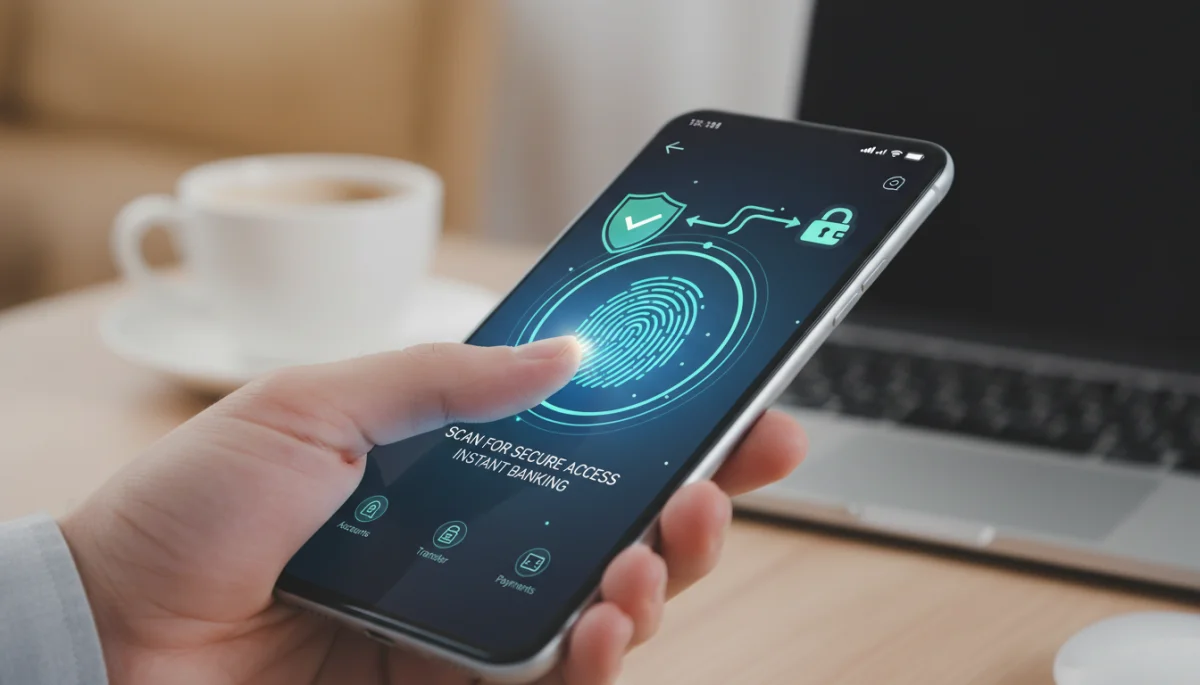
- Fingerprint Recognition: Widely adopted and highly secure, fingerprint scanners offer quick and reliable access to mobile banking apps.
- Facial Recognition: Technologies like Apple’s Face ID use 3D mapping to create a highly accurate and difficult-to-spoof facial signature.
- Voice Recognition: Analyzing unique vocal patterns for authentication, though less common in primary mobile banking access, is gaining traction for secondary verification.
- Behavioral Biometrics: This emerging field analyzes unique patterns in how a user interacts with their device, such as typing speed, swipe gestures, and device holding patterns, to continuously verify identity without explicit user action.
While biometrics offer significant security advantages, they are not without their challenges. Issues such as false positives, sensor accuracy, and the storage of biometric data securely are ongoing areas of development. However, their convenience and inherent uniqueness make them indispensable for future mobile banking security.
Beyond biometrics, other innovative methods are gaining traction. These include token-based authentication, where a unique, time-sensitive code is generated by a separate device or app, and device fingerprinting, which identifies and authorizes specific devices for banking access. The combination of these methods creates a robust defense, ensuring that even if one layer is breached, others remain intact.
In summary, advanced authentication methods are crucial for safeguarding mobile banking in 2026. By moving beyond simple passwords and embracing biometrics, behavioral analysis, and multi-factor approaches, financial institutions can offer both enhanced security and a streamlined user experience.
The role of AI and machine learning in fraud detection
Artificial Intelligence (AI) and Machine Learning (ML) are transforming the landscape of fraud detection in mobile banking. These technologies are no longer just buzzwords; they are becoming indispensable tools for identifying and preventing fraudulent activities in real-time. The sheer volume and complexity of mobile banking transactions make it impossible for human analysts to keep pace with evolving threats, which is where AI and ML shine.
By analyzing vast datasets of transaction histories, user behavior, and network patterns, AI and ML algorithms can identify anomalies that indicate potential fraud with remarkable accuracy and speed. This proactive approach allows financial institutions to detect and block suspicious transactions before they can cause significant damage, thereby protecting both the bank and its customers.
Predictive analytics and behavioral patterns
AI-driven systems excel at recognizing subtle deviations from normal behavior.
- Real-time Transaction Monitoring: AI continuously analyzes transactions for unusual patterns, such as large transfers to new beneficiaries or transactions from unusual geographic locations.
- Behavioral Profiling: ML algorithms build profiles of individual user behavior, including typical login times, transaction amounts, and device usage, flagging any activities that deviate from these established norms.
- Predictive Fraud Scoring: AI can assign a risk score to each transaction based on numerous factors, allowing banks to focus resources on high-risk activities.
- Adaptive Learning: The systems learn from new fraud cases, constantly refining their detection models to adapt to emerging threats and reduce false positives.
The ability of AI and ML to process and interpret massive amounts of data far surpasses human capabilities. This allows for a more comprehensive and nuanced approach to fraud detection, moving beyond simple rule-based systems that can be easily circumvented by sophisticated criminals. Furthermore, AI helps in reducing the number of false positives, ensuring that legitimate transactions are not unnecessarily blocked, which can be a source of frustration for customers.
As we look to 2026, the integration of AI and ML will become even more sophisticated, with continuous learning models and federated learning approaches allowing for even more robust and adaptive fraud prevention strategies. This will be critical in maintaining trust and security in the rapidly evolving mobile banking ecosystem.
Ultimately, AI and machine learning are pivotal in creating a dynamic and intelligent defense against mobile banking fraud. Their capacity for real-time analysis and adaptive learning makes them essential components of any comprehensive security strategy.
Secure coding practices and platform integrity
The foundation of robust mobile banking security lies in the integrity of the applications themselves. Secure coding practices and maintaining platform integrity are non-negotiable aspects that financial institutions must prioritize to protect their users. A secure application is one that is built from the ground up with security in mind, minimizing vulnerabilities that cybercriminals could exploit.
This involves rigorous development methodologies, continuous security testing, and adherence to industry best practices. Without a strong foundation, even the most advanced authentication and fraud detection systems can be undermined. The rapid pace of mobile app development often creates pressure to release features quickly, but this must never come at the expense of security.
Building a fortress from within
Ensuring application and platform integrity involves several key areas:
- Secure Development Lifecycle (SDL): Integrating security considerations into every phase of the software development process, from design to deployment and maintenance.
- Code Review and Penetration Testing: Regular and thorough reviews of application code, along with ethical hacking simulations, to identify and rectify vulnerabilities before they are exploited.
- Data Encryption: Implementing strong encryption for all data at rest and in transit, ensuring that sensitive financial information remains unreadable to unauthorized parties.
- API Security: Securing the Application Programming Interfaces (APIs) that allow different software components to communicate, preventing unauthorized access and data breaches.
- Tamper Detection: Implementing mechanisms within the app to detect if it has been modified or tampered with, preventing malicious alterations.
Maintaining platform integrity also extends to the underlying mobile operating systems. Financial institutions often encourage users to keep their operating systems updated, as these updates frequently include critical security patches. They may also implement measures to detect rooted or jailbroken devices, which inherently pose greater security risks due to their compromised operating system integrity.
The commitment to secure coding and platform integrity is an ongoing process. It requires continuous vigilance, adaptation to new threats, and a culture of security awareness throughout the development team. Only through these stringent measures can mobile banking apps truly offer a safe environment for financial transactions.
In essence, secure coding practices and platform integrity are the bedrock of mobile banking security, creating a resilient defense against a multitude of cyber threats.
Regulatory compliance and industry standards
In the highly regulated financial sector, adherence to stringent regulatory compliance and industry standards is not merely a legal obligation but a fundamental pillar of mobile banking security. These frameworks provide a crucial baseline for security practices, ensuring that financial institutions meet a minimum level of protection for customer data and transactions. As mobile banking continues to evolve, so too do the regulations governing its security, reflecting the dynamic nature of cyber threats.
Compliance with these standards helps to build trust with consumers, demonstrating a commitment to safeguarding their financial well-being. It also provides a structured approach for institutions to identify, assess, and mitigate risks, fostering a more secure and resilient financial ecosystem. The regulatory landscape is complex, often involving multiple governmental bodies and international agreements, all aiming to protect consumers from fraud and data breaches.
Key regulatory frameworks and standards
Several key regulations and standards shape the security requirements for mobile banking:
- PCI DSS (Payment Card Industry Data Security Standard): While primarily focused on card payments, its principles of data security extend to mobile payment processing within banking apps.
- GLBA (Gramm-Leach-Bliley Act): Mandates that financial institutions explain their information-sharing practices to customers and safeguard sensitive data.
- NIST Cybersecurity Framework: Provides a comprehensive set of guidelines for organizations to manage and reduce cybersecurity risks, applicable across various sectors including finance.
- GDPR (General Data Protection Regulation): Although a European regulation, its principles of data privacy and security have influenced global practices, impacting how U.S. banks handle data of international customers.
- State-specific privacy laws: Laws like the CCPA (California Consumer Privacy Act) set precedents for data protection and consumer rights within the U.S.
Beyond these, financial regulatory bodies like the Federal Reserve, OCC (Office of the Comptroller of the Currency), and FDIC (Federal Deposit Insurance Corporation) issue guidance and examinations to ensure banks maintain sound cybersecurity practices. These bodies often emphasize risk management, incident response planning, and continuous security assessments.
The challenge for financial institutions is to not only meet these evolving regulatory requirements but to exceed them, building security measures that are robust enough to withstand future threats. This often involves continuous audits, regular training for employees, and investing in advanced security technologies. The ultimate goal is to create an environment where mobile banking users can transact with confidence, knowing their financial data is protected by comprehensive and compliant security measures.
Therefore, regulatory compliance and adherence to industry standards are indispensable for ensuring the security and trustworthiness of mobile banking services.
User education and personal responsibility
While financial institutions invest heavily in advanced security technologies, the human element remains the weakest link in the cybersecurity chain. User education and personal responsibility are absolutely crucial for the future of mobile banking security in 2026. No matter how sophisticated the security infrastructure, if users fall victim to social engineering or neglect basic security hygiene, their accounts can still be compromised.
Empowering users with the knowledge and tools to protect themselves is a shared responsibility. Banks must provide clear, accessible information about common threats and best practices, while individuals must commit to adopting these practices. This includes understanding the risks associated with public Wi-Fi, recognizing phishing attempts, and maintaining strong, unique passwords for all online accounts.
Empowering users for self-protection
Effective user education focuses on practical, actionable advice:
- Recognizing Phishing and Smishing: Educating users to spot suspicious emails, texts, or calls that attempt to trick them into revealing sensitive information.
- Strong Password Practices: Emphasizing the use of complex, unique passwords for each account and recommending password managers.
- Multi-Factor Authentication (MFA): Encouraging and, where possible, mandating the use of MFA for all banking apps.
- Software Updates: Stressing the importance of keeping mobile operating systems and banking apps updated to benefit from the latest security patches.
- Secure Network Usage: Advising against conducting banking transactions on unsecured public Wi-Fi networks and promoting the use of VPNs.
- Device Security: Recommending strong device passcodes, biometric locks, and being cautious about installing apps from unofficial sources.
Beyond providing information, financial institutions can also implement interactive educational modules within their apps or websites, offering quizzes and scenarios to reinforce learning. Regular security alerts and tips can also help keep users informed about emerging threats. The goal is to foster a culture of security awareness, where users instinctively recognize and avoid risks.
Ultimately, a secure mobile banking environment is a collaborative effort. While banks provide the technological defenses, users must act as the first line of defense for their own accounts. By taking personal responsibility and staying informed, individuals significantly enhance their protection against cyber threats, contributing to a safer digital financial landscape for everyone.
Therefore, user education and personal responsibility are indispensable for fortifying mobile banking security against evolving cyber threats.
Emerging technologies shaping future security
The relentless pace of technological innovation means that the future of mobile banking security will be continuously shaped by emerging technologies. Beyond the current advancements, new frontiers like quantum cryptography, decentralized identity, and advanced threat intelligence are poised to revolutionize how we protect financial data. These technologies offer the promise of even more robust, resilient, and proactive security measures, addressing vulnerabilities that current systems may struggle to contain.
Investing in research and development for these cutting-edge solutions is critical for financial institutions aiming to stay ahead of cybercriminals. The goal is not just to react to threats but to anticipate and neutralize them before they can materialize, creating a truly predictive security posture. This forward-looking approach ensures that mobile banking remains a safe and trusted platform for consumers in the years to come.
Next-gen security innovations
Several transformative technologies are on the horizon:
- Quantum Cryptography: Offers theoretically unhackable encryption methods by leveraging the principles of quantum mechanics, protecting data from even future quantum computer attacks.
- Decentralized Identity (DID): Using blockchain technology to give users more control over their digital identities, reducing reliance on centralized databases that are prone to breaches.
- Homomorphic Encryption: Allows computations to be performed on encrypted data without decrypting it first, enhancing privacy and security, especially in cloud environments.
- Zero-Trust Architecture: A security model that assumes no user or device can be trusted by default, requiring strict verification for every access attempt, regardless of location.
- Threat Intelligence Platforms (TIPs): Advanced systems that aggregate, analyze, and disseminate real-time threat data to proactively identify and mitigate emerging cyber risks.
These emerging technologies are not isolated solutions but are often designed to work in concert, creating a multi-layered and highly adaptive security framework. For instance, decentralized identity could enhance the security of biometric data, while quantum cryptography could protect the transmission of sensitive financial information. The integration of these innovations will require significant investment and expertise, but the potential benefits in terms of security and trust are immense.
Furthermore, the development of explainable AI (XAI) will be crucial in ensuring that these complex AI-driven security systems are transparent and auditable, allowing human experts to understand and trust their decisions. This will be vital for regulatory compliance and public acceptance.
In conclusion, emerging technologies hold the key to the next generation of mobile banking security. By embracing quantum cryptography, decentralized identity, and advanced threat intelligence, financial institutions can build impenetrable defenses against the cyber threats of tomorrow, ensuring continued trust and innovation in the digital financial landscape.
| Key Security Aspect | Brief Description |
|---|---|
| Advanced Authentication | Utilizes biometrics and multi-factor methods to secure access beyond traditional passwords. |
| AI/ML Fraud Detection | Employs artificial intelligence to detect and prevent fraudulent activities in real-time. |
| Secure Coding Practices | Ensures mobile banking applications are built with security embedded from the ground up. |
| User Education | Empowers users with knowledge and best practices to avoid common cyber threats. |
Frequently asked questions about mobile banking security
In 2026, sophisticated phishing, advanced malware, and account takeover attacks remain primary threats. These evolved methods leverage social engineering and technical exploits to compromise user credentials and financial data, requiring continuous vigilance from both users and financial institutions.
Biometric methods like fingerprint and facial recognition offer a unique, difficult-to-replicate layer of security. They leverage individual biological traits, making it significantly harder for unauthorized users to gain access, even if they possess stolen passwords, thus bolstering overall account protection.
AI and machine learning analyze vast transaction data and user behavior patterns in real-time. They detect anomalies that indicate potential fraud, enabling financial institutions to proactively identify and block suspicious activities before they cause financial loss, thereby enhancing predictive security measures.
Secure coding practices ensure that mobile banking applications are built with robust security from their inception. This minimizes vulnerabilities that could be exploited by cybercriminals, preventing data breaches and maintaining the integrity of the app’s functionality and the sensitive information it handles.
Users can enhance security by enabling multi-factor authentication, using strong unique passwords, keeping apps and operating systems updated, avoiding public Wi-Fi for transactions, and being vigilant against phishing attempts. Personal responsibility is a critical defense layer against cyber threats.
Conclusion
The future of mobile banking security in 2026 is characterized by a dynamic interplay between technological innovation and heightened user awareness. As cyber threats become more sophisticated, the financial industry is responding with advanced authentication methods, AI-driven fraud detection, and rigorous secure coding practices. However, these technological advancements must be complemented by robust regulatory compliance and, critically, by informed and responsible user behavior. Protecting your accounts in the digital age is a shared responsibility, demanding continuous vigilance from both financial institutions and individuals alike. By embracing these multifaceted strategies, we can ensure that mobile banking remains a convenient, secure, and trusted platform for managing our finances.
Related Posts: