Secured vs. Unsecured Loans in 2026: Your Financial Guide
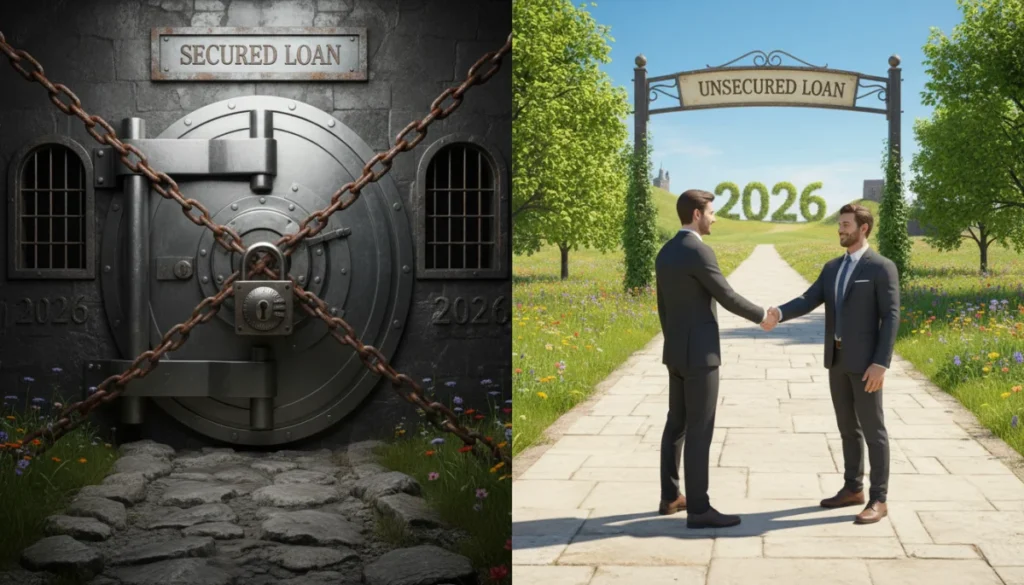
Understanding the fundamental differences between secured and unsecured loans is paramount for making informed financial decisions in 2026, impacting interest rates, collateral requirements, and credit implications.
Navigating the complex world of personal finance often brings borrowers to a crossroads: choosing between secured and unsecured loans. In 2026, understanding the nuances of secured unsecured loans is more critical than ever, as economic shifts and evolving lending practices continue to shape the financial landscape. This decision directly impacts your financial flexibility, risk exposure, and overall borrowing experience.
Understanding Secured Loans: The Collateral Advantage
Secured loans are a fundamental component of the lending market, distinguished by the requirement of collateral. This security provides lenders with a guarantee, reducing their risk and often translating into more favorable terms for the borrower.
When you take out a secured loan, you pledge an asset you own as collateral. This asset could be a car, a house, or even savings. Should you default on the loan, the lender has the legal right to seize and sell the collateral to recover their losses. This mechanism makes secured loans a safer bet for lenders, which in turn benefits borrowers in several ways.
Types of Secured Loans
The landscape of secured loans is diverse, catering to various financial needs and collateral types. Each type serves a specific purpose, offering different advantages and considerations for borrowers.
- Mortgages: Perhaps the most common type, mortgages use the purchased property itself as collateral. This allows individuals to finance significant real estate investments over long periods.
- Auto Loans: Similar to mortgages, auto loans use the vehicle being purchased as collateral. These loans typically have shorter terms than mortgages and are essential for many consumers acquiring transportation.
- Secured Personal Loans: These are less common but exist for borrowers who might not qualify for unsecured options. They involve pledging assets like savings accounts, certificates of deposit (CDs), or even investment portfolios.
The primary benefit of secured loans is often lower interest rates and more flexible repayment terms compared to their unsecured counterparts. This is due to the reduced risk for the lender. Additionally, secured loans can be an option for individuals with less-than-perfect credit scores, as the collateral mitigates some of the credit risk. However, the significant drawback is the potential loss of the pledged asset if repayment obligations are not met.
Exploring Unsecured Loans: The Trust-Based Option
Unsecured loans operate on a different principle, relying primarily on the borrower’s creditworthiness rather than physical assets. This makes them a more accessible option for many, though they come with their own set of considerations.
With an unsecured loan, there is no collateral to back the debt. Lenders assess your ability to repay based on your credit score, income, and debt-to-income ratio. This trust-based lending means the lender assumes a higher risk, which is often reflected in the loan’s terms.
Common Unsecured Loan Products
Unsecured loans are widely available and include several popular financial products that many individuals use regularly.
- Personal Loans: These are versatile loans used for a variety of purposes, such as debt consolidation, medical expenses, or home improvements. They offer flexibility without requiring collateral.
- Credit Cards: A ubiquitous form of unsecured credit, credit cards provide a revolving line of credit that can be used for everyday purchases or emergencies. Interest rates can be high if balances are not paid off monthly.
- Student Loans: While some student loans are secured by the student’s future earnings potential, many are unsecured and do not require collateral. They are designed to help finance education costs.
The main advantage of unsecured loans is the absence of collateral, meaning your assets are not at risk if you default. This offers a sense of security for borrowers who may be hesitant to pledge valuable possessions. However, this convenience often comes at a cost: higher interest rates and stricter eligibility requirements, particularly for those with lower credit scores. Lenders need to compensate for the increased risk they undertake.
Key Differences Between Secured and Unsecured Loans in 2026
Understanding the core distinctions between secured and unsecured loans is crucial for making an informed borrowing decision. These differences extend beyond just collateral, impacting various aspects of the loan agreement and your financial standing.
The fundamental divergence lies in the presence or absence of collateral. This single factor creates a ripple effect, influencing interest rates, eligibility criteria, and the potential consequences of default. In 2026, with evolving economic conditions, these distinctions remain as relevant as ever.
Collateral Requirements and Risk Assessment
As discussed, secured loans mandate collateral, which significantly reduces the lender’s risk. This lower risk often translates into more attractive terms for the borrower.
Unsecured loans, conversely, carry a higher risk for the lender due to the lack of collateral. Consequently, lenders conduct a more thorough assessment of the borrower’s creditworthiness. This includes a deep dive into credit scores, income stability, and existing debt obligations to determine the likelihood of repayment. The absence of collateral means lenders have fewer options for recourse if a borrower defaults, making their initial assessment paramount.
Interest Rates and Loan Terms
Typically, secured loans offer lower interest rates because the collateral acts as a safety net for the lender. This can lead to substantial savings over the life of the loan, especially for larger sums like mortgages.
Unsecured loans generally come with higher interest rates to compensate lenders for the increased risk. The terms of unsecured loans, such as repayment periods and loan amounts, can also be more restrictive, particularly for borrowers with less established credit histories. Lenders need to price the loan appropriately to cover the potential for loss.
Impact on Credit Score and Eligibility
Both secured and unsecured loans play a significant role in building and impacting your credit score. However, their eligibility requirements and the way they influence your credit profile differ significantly.
Your credit score is a numerical representation of your creditworthiness, a critical factor lenders use to assess your risk. Understanding how each loan type interacts with your credit can help you leverage them effectively for your financial goals.

Your credit score is a numerical representation of your creditworthiness, a critical factor lenders use to assess your risk. Understanding how each loan type interacts with your credit can help you leverage them effectively for your financial goals.
Eligibility Criteria
For secured loans, while a good credit score is always beneficial, the presence of collateral can sometimes offset a less-than-perfect credit history. Lenders are more willing to approve applicants with lower scores if there’s an asset to back the loan.
- Secured Loan Eligibility: Focuses on the value and liquidity of the collateral, alongside a basic assessment of repayment capacity.
- Unsecured Loan Eligibility: Heavily reliant on a strong credit score, stable income, and a low debt-to-income ratio. Lenders need strong indicators of responsible financial behavior.
Unsecured loans, on the other hand, demand a stronger credit profile. Lenders rely solely on your financial history and current income to determine your ability to repay. This means a higher credit score often translates to better interest rates and more favorable terms, while a lower score might lead to denial or significantly higher rates.
Credit Score Impact
Both types of loans, when managed responsibly, can positively impact your credit score. Making timely payments demonstrates financial reliability, which is a major component of your credit history.
Defaulting on either loan type, however, can severely damage your credit. For secured loans, not only will your credit score suffer, but you also risk losing the collateral. For unsecured loans, a default will lead to significant credit damage and potentially collections actions, but without the immediate loss of a tangible asset. The way you handle your loans directly influences your credit health, affecting future borrowing opportunities.
When to Choose a Secured Loan in 2026
Deciding between a secured and unsecured loan requires careful consideration of your financial situation, goals, and risk tolerance. In 2026, certain scenarios clearly favor the use of secured loans, offering distinct advantages.
Secured loans can be a powerful financial tool when used strategically, providing access to larger sums of money or more favorable terms than might otherwise be available. Understanding these specific situations can help you make the best choice.
Situations Favoring Secured Loans
There are several key instances where a secured loan stands out as the more appropriate and beneficial option. These situations often involve significant financial commitments or specific credit challenges.
- Large Purchases: For major investments like buying a home or a car, secured loans (mortgages and auto loans) are almost always the standard. They allow for the financing of high-value assets with manageable terms.
- Lower Interest Rates: If your priority is to secure the lowest possible interest rate, pledging collateral can often achieve this. The reduced risk for the lender translates directly into cost savings for you.
- Building or Rebuilding Credit: For individuals with limited or poor credit history, a secured loan can be a viable path to obtaining financing. A secured credit card or a secured personal loan can help demonstrate responsible repayment behavior and improve your credit score over time.
Choosing a secured loan is often a strategic move when you have a valuable asset you’re willing to pledge and you prioritize lower costs and potentially higher loan amounts. It’s a calculated risk that can yield significant financial benefits, provided you are confident in your ability to meet repayment obligations.
When to Opt for an Unsecured Loan in 2026
While secured loans offer distinct advantages, there are equally compelling reasons to choose an unsecured loan. These loans provide flexibility and convenience, making them ideal for certain financial needs and preferences in 2026.
The decision to pursue an unsecured loan often comes down to a desire to avoid collateral requirements and the willingness to accept potentially higher interest rates for that freedom. It’s about weighing convenience against cost.
Ideal Scenarios for Unsecured Loans
Unsecured loans shine in situations where speed, flexibility, and the absence of collateral are paramount. They are particularly useful for smaller, more immediate financial needs or when liquidating assets for collateral is not desirable.
- No Collateral Available or Desired: If you don’t have assets to pledge or prefer not to risk them, unsecured loans are the only option. This is a significant factor for many borrowers.
- Smaller Loan Amounts: For personal loans intended for debt consolidation, home repairs, or unexpected expenses that aren’t excessively large, unsecured options are generally more straightforward to obtain.
- Strong Credit Score: Borrowers with excellent credit can often qualify for competitive interest rates on unsecured loans, sometimes negating the rate advantage of secured options. Their strong credit history serves as sufficient assurance for lenders.
Unsecured loans offer peace of mind concerning your assets and are often quicker to process since there’s no collateral appraisal involved. They are a favored choice for those who value convenience and have a solid credit history to back their borrowing power, making them a flexible solution for various financial situations.
Making the Right Choice: Factors to Consider in 2026
The decision between a secured and unsecured loan is highly personal and depends on a multitude of factors unique to your financial situation. In 2026, a holistic approach to evaluating your options is essential for making the best choice.
Considering your individual circumstances, financial goals, and risk tolerance will guide you toward the loan type that aligns best with your needs and capabilities, ensuring a responsible borrowing experience.
Key Decision-Making Factors
To navigate this choice effectively, a systematic evaluation of several critical factors is necessary. These elements will help you weigh the pros and cons of each loan type in the context of your personal finance.
- Your Credit Score: A higher credit score generally opens doors to better terms for both loan types, but it’s particularly crucial for unsecured loans. A lower score might push you towards secured options.
- Need for Collateral: Do you have an asset you are willing and able to pledge? If not, an unsecured loan is your only recourse. If you do, consider the risk of losing it versus the benefit of lower rates.
- Interest Rates and Fees: Compare the Annual Percentage Rate (APR) and any associated fees for both secured and unsecured options. Even a small difference in interest can result in significant savings over the loan term.
- Loan Amount and Purpose: For very large sums, secured loans are often the only practical solution. For smaller, more flexible needs, unsecured loans might be more appropriate.
- Repayment Ability: Honestly assess your capacity to repay the loan on time. Defaulting has severe consequences for both types of loans, impacting your credit and potentially leading to asset loss.
Ultimately, the right loan for you in 2026 is one that you can comfortably afford, that meets your financial objective, and that aligns with your risk comfort level. Thorough research and understanding of the terms and conditions are paramount before committing to any loan agreement.
| Key Aspect | Description |
|---|---|
| Collateral | Secured loans require assets as backing; unsecured do not. |
| Interest Rates | Generally lower for secured loans, higher for unsecured. |
| Risk to Borrower | Secured loans risk asset loss; unsecured risk credit damage. |
| Eligibility | Secured more accessible with collateral; unsecured requires strong credit. |
Frequently Asked Questions About Loans
The main difference is collateral. Secured loans require an asset (like a car or house) to back the loan, reducing lender risk. Unsecured loans do not require collateral, relying solely on your creditworthiness for approval and repayment.
Yes, secured loans can be effective for building or rebuilding credit. By making consistent, on-time payments, you demonstrate responsible financial behavior, which positively impacts your credit score, regardless of the collateral requirement.
Generally, yes. Because unsecured loans pose a higher risk to lenders due to the lack of collateral, they typically come with higher interest rates to compensate for that increased risk. However, excellent credit can sometimes secure competitive rates.
If you default on a secured loan, the lender has the legal right to seize and sell the collateral you pledged to recover their losses. This can result in the loss of your home, car, or other valuable assets, in addition to damaging your credit.
An unsecured personal loan is a good option if you have strong credit, don’t want to risk assets, or need a smaller loan for purposes like debt consolidation, unexpected expenses, or home improvements without collateral requirements.
Conclusion
Choosing between secured and unsecured loans in 2026 is a pivotal financial decision that demands careful consideration of your individual circumstances. Both options offer distinct advantages and disadvantages, tailored to different financial needs and risk appetites. Secured loans typically provide lower interest rates and higher borrowing limits due to the collateral, making them ideal for significant investments or for those with developing credit. Conversely, unsecured loans offer flexibility and asset protection, best suited for individuals with strong credit or those seeking smaller, quicker access to funds without pledging assets. By thoroughly evaluating your credit profile, collateral availability, and repayment capacity, you can confidently select the loan type that best supports your financial journey and goals.