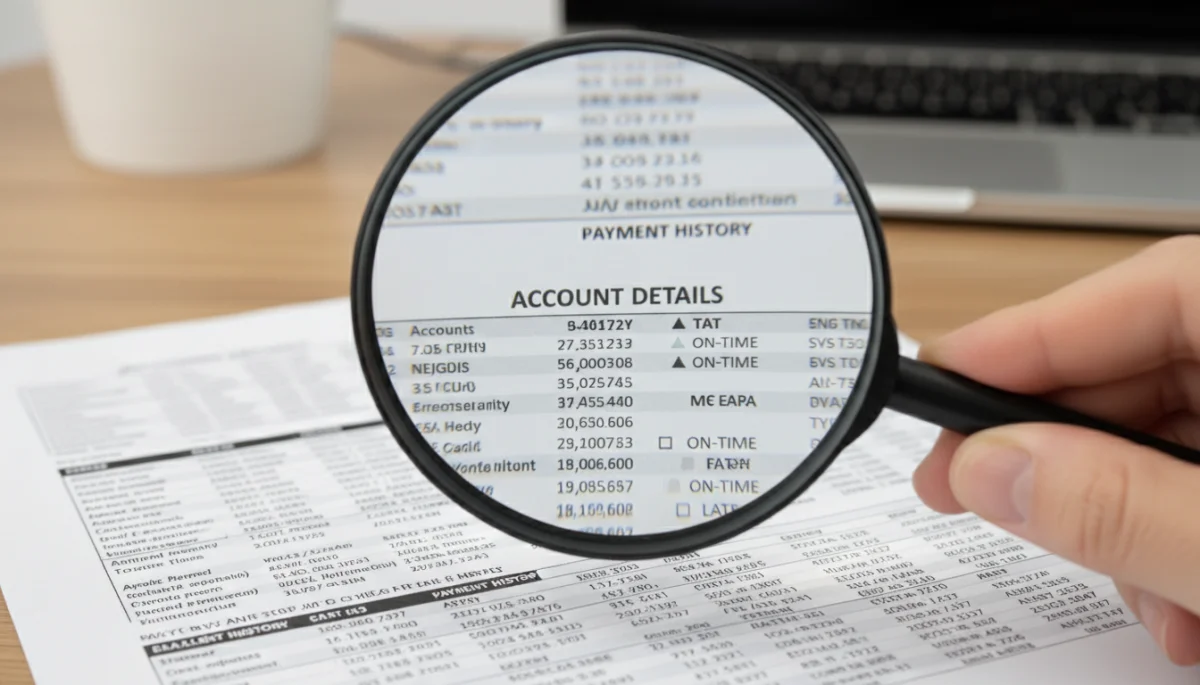
2026 Guide to Understanding Your Credit Report: Key Sections
This guide provides an essential overview of your 2026 credit report, detailing its key sections and explaining what information to scrutinize for accuracy and financial well-being. Understand how to interpret your report and protect your credit.
By: Rafaela on September 23, 2026
Your 2026 credit report is a detailed financial narrative, crucial for assessing your borrowing power, and this guide outlines its essential sections and what to carefully examine for accuracy and impact.
In an increasingly digitized financial landscape, comprehending your credit report is more vital than ever. This comprehensive resource, The 2026 Guide to Understanding Your Credit Report: Key Sections and What to Look For, will demystify this critical document, ensuring you are well-equipped to manage your financial health effectively.
The Evolving Landscape of Credit Reporting in 2026
The year 2026 brings with it advancements and refinements in how credit reports are compiled and interpreted. While the core purpose remains the same—to provide a snapshot of your financial reliability—new data points and methodologies are continually integrated. Understanding these changes is paramount for anyone seeking to maintain a strong financial standing.
Credit bureaus are leveraging more sophisticated AI and machine learning algorithms to process vast amounts of data, leading to potentially more accurate, but also more complex, reports. This evolution necessitates a proactive approach from consumers to regularly review their reports for any discrepancies or unusual activity that could impact their creditworthiness. The integration of alternative data sources, while still debated, is also a growing trend that could influence future reporting.
The Shift Towards Comprehensive Data Integration
Traditional credit reports primarily focused on payment history, amounts owed, length of credit history, new credit, and credit mix. However, 2026 sees an increased discussion around incorporating non-traditional data. This might include:
Utility payment history, including electricity and gas.
Rental payment records, often previously overlooked by traditional models.
Banking transaction data, offering insights into financial stability.
These additions aim to provide a more holistic view of a consumer’s financial behavior, potentially benefiting those with limited traditional credit histories. However, it also means more data points to monitor and understand.
The landscape of credit reporting in 2026 emphasizes transparency and accuracy. Consumers are encouraged to not only check their reports annually but to understand the implications of every entry. This foundational knowledge empowers individuals to challenge errors and build a robust financial future, adapting to the dynamic nature of credit assessment.
Personal Information: Your Identity on Record
The personal information section of your credit report is more than just an introductory segment; it’s the foundation upon which your entire financial identity is built. This section contains details that verify who you are, making it crucial to ensure its absolute accuracy. Any inconsistencies here could lead to mix-ups with other individuals’ credit files or even indicate potential identity theft.
In 2026, with enhanced data security measures and increased digital integration, ensuring your personal details are correct is a primary step in safeguarding your financial reputation. This section typically includes your full name, current and past addresses, Social Security number, date of birth, and employment information. Discrepancies, even minor ones, can complicate credit applications and disputes.
Verifying Your Identity Details
Scrutinizing this section involves more than a quick glance. You should meticulously check:
All spellings of your name, including any variations or previous names.
Every address listed, ensuring they are all places you have resided.
The accuracy of your Social Security number and date of birth.
Incorrect information, such as an old address or a misspelled name, might seem innocuous, but it can create an impression of instability or lead to difficulties in verifying your identity with lenders. It’s also a common red flag for identity theft if you see addresses or names you don’t recognize.
Maintaining accurate personal information on your credit report is a vital first line of defense against financial fraud and ensures that your credit history is correctly attributed to you. Proactive review and correction of this section set the stage for a reliable and trustworthy credit profile.
Account Information: A Detailed Look at Your Borrowing History
The account information section is arguably the most critical part of your credit report, offering a comprehensive chronicle of your past and present borrowing activities. This segment details every credit account you’ve ever held, from credit cards and auto loans to mortgages and student debts. Understanding this section is key to interpreting your creditworthiness and identifying areas for improvement.
For 2026, this section continues to be the primary indicator for lenders assessing your risk. It meticulously records the type of account, the date it was opened, the credit limit or loan amount, your payment status, and the current balance. Each entry tells a story about your financial habits and responsibilities.
Decoding Your Account Details
When reviewing your account information, pay close attention to several key elements:
Account Status: Ensure all accounts are listed as open or closed correctly.
Payment History: Look for any late payments, defaults, or collections, and verify their accuracy.
Balances and Limits: Confirm current balances and credit limits align with your records.
Date Opened/Closed: Check these dates for accuracy, as they impact the length of your credit history.
Inaccuracies in this section can severely impact your credit score. A single late payment reported incorrectly could lower your score by several points, affecting your ability to secure favorable interest rates on future loans. Similarly, accounts you don’t recognize could be a sign of identity fraud, requiring immediate action.
A thorough examination of your account information empowers you to understand how lenders perceive you and provides the necessary data to dispute errors, ultimately strengthening your financial standing.
Public Records and Collections: Major Financial Events
The public records and collections section of your 2026 credit report highlights significant financial events that have been made public or have reached a severe stage of delinquency. While less common than account information, entries in this section carry substantial weight and can significantly impact your credit score and ability to obtain new credit. It’s crucial to understand what constitutes a public record or collection and how to address it.
In 2026, this section typically includes bankruptcies, foreclosures, tax liens, and civil judgments. While some negative public record items like paid tax liens and civil judgments have been removed from most credit reports in recent years, bankruptcies and foreclosures usually remain for an extended period. Collection accounts, which are debts turned over to a third-party collection agency, are also prominently displayed here.
Understanding the Impact of Public Records and Collections
These entries are red flags for lenders, indicating a higher risk. Specifically, you should verify:
Bankruptcy Filings: Ensure any bankruptcy is correctly reported with the right filing date and discharge status.
Foreclosures: Confirm the accuracy of any foreclosure proceedings if applicable.
Collection Accounts: Verify the original creditor, the amount, and the date of last activity for any collection entries. Make sure you actually owe the debt.
Even a single collection account, especially if unpaid, can significantly depress your credit score. It’s imperative to dispute any inaccuracies immediately. If the information is correct, understanding its presence helps you develop a strategy for rebuilding your credit. Some collection agencies may agree to remove the entry once the debt is paid (a ‘pay for delete’ agreement), but this is not guaranteed.
The public records and collections section serves as a critical indicator of past financial distress. Diligent review and proactive management of these entries are essential for credit repair and improving your long-term financial health.
Inquiries: Who’s Looking at Your Credit?
The inquiries section of your 2026 credit report provides a record of everyone who has requested to view your credit file. This section is important because it offers insight into who is accessing your financial information and can, under certain circumstances, affect your credit score. There are two primary types of inquiries: hard inquiries and soft inquiries, each with different implications.
Hard inquiries, also known as ‘hard pulls,’ occur when a lender checks your credit report because you’ve applied for new credit, such as a loan or a credit card. These inquiries can temporarily lower your credit score by a few points and remain on your report for up to two years. Too many hard inquiries in a short period can signal to lenders that you might be a high-risk borrower.
Distinguishing Between Hard and Soft Inquiries
It’s crucial to differentiate these inquiries:
Hard Inquiries: Result from credit applications, authorized by you. Examples include mortgage applications, car loans, or new credit card requests.
Soft Inquiries: Do not impact your credit score. These occur when you check your own credit, a lender pre-approves you for an offer, or for employment verification.
When reviewing this section, you should look for any hard inquiries you don’t recognize or didn’t authorize. Unauthorized hard inquiries could be a sign of identity theft, where someone has attempted to open accounts in your name. Soft inquiries, while visible to you, are not visible to lenders and do not harm your credit.
Monitoring your inquiries section helps you track your credit applications and detect potential fraudulent activity. Understanding which inquiries affect your score allows you to make informed decisions about when and how often to apply for new credit, preserving your credit health.
Consumer Statements and Dispute Information: Your Voice Matters
The consumer statements and dispute information section of your 2026 credit report provides a crucial avenue for you to add your perspective or address inaccuracies. This often-overlooked segment allows you to include a brief statement explaining certain items on your report, such as late payments due to extenuating circumstances, or to note that an item is currently under dispute. It’s your opportunity to tell your side of the story to potential lenders.
While disputing errors directly with the credit bureaus is the primary method for correction, this section offers a temporary solution or an explanatory note for items that may not be easily removed. For example, if you experienced a medical emergency that caused a late payment, a consumer statement can provide context that a simple ‘late payment’ entry cannot.
Leveraging Consumer Statements and Disputes
Utilizing this section effectively involves:
Adding Explanations: Craft clear, concise statements (typically 100 words or less) for legitimate issues affecting your payment history.
Documenting Disputes: If you’re currently disputing an item, the credit bureau may note this in your report, indicating that the information is under review.
Reviewing Dispute Outcomes: After a dispute, verify that the disputed item has been corrected or removed, and that the dispute information itself reflects the resolution.
It’s important to remember that a consumer statement does not remove negative information, but it can provide valuable context for lenders reviewing your report. This can be particularly helpful in borderline cases where a lender is trying to understand the full picture of your financial situation. Always ensure any statement you add is factual and professional.
This section empowers you to advocate for yourself and ensure that your credit report tells the most accurate and fair story possible. Regularly reviewing this part of your report ensures that your voice is heard in the credit reporting process.
Key Section
What to Look For
Personal Information
Accurate name, addresses, SSN, and date of birth.
Account Information
Correct account status, payment history, balances, and limits.
Public Records & Collections
Verify bankruptcies, foreclosures, and legitimate collection accounts.
Inquiries
Check for unauthorized hard inquiries indicating fraud.
Frequently Asked Questions About Your 2026 Credit Report
How often should I check my credit report in 2026?▼
It is recommended to check your credit report at least once a year from each of the three major credit bureaus. However, with the rise of identity theft and data breaches, more frequent monitoring, perhaps quarterly, is advisable to catch errors or fraud early.
What is the difference between a hard inquiry and a soft inquiry?▼
A hard inquiry occurs when you apply for new credit and can slightly lower your score. A soft inquiry happens when you check your own credit or for pre-approved offers, and it does not affect your score. Always be aware of who is making inquiries.
How can I dispute an inaccuracy on my credit report?▼
You can dispute inaccuracies by contacting the credit bureau directly, either online or via mail. Provide documentation supporting your claim. The bureau has 30-45 days to investigate and must remove inaccurate or unverified information.
Do utility payments appear on my 2026 credit report?▼
While not universally reported, there’s a growing trend in 2026 for utility and rental payments to be included in credit reports, especially for those with thin credit files. Check your report to see if these are present and accurately reflected.
How long do negative items stay on my credit report?▼
Most negative items, such as late payments, collections, and foreclosures, typically remain on your credit report for seven years. Bankruptcies can stay for up to ten years. Their impact diminishes over time, but accuracy is always key.
Conclusion
Navigating your credit report in 2026 requires diligence and a clear understanding of its various components. By regularly reviewing each section—from personal information and account details to public records and inquiries—you empower yourself to maintain accuracy, detect fraud, and build a strong financial foundation. Your credit report is a dynamic document, and staying informed is the best strategy for financial success in an ever-evolving economic landscape. Prioritize this crucial financial check-up to ensure your credit reflects your true financial standing.