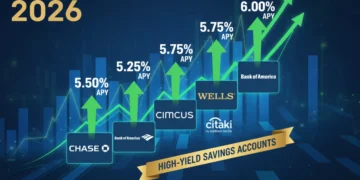
Automating Your Savings: 15% Transfer by Next Month
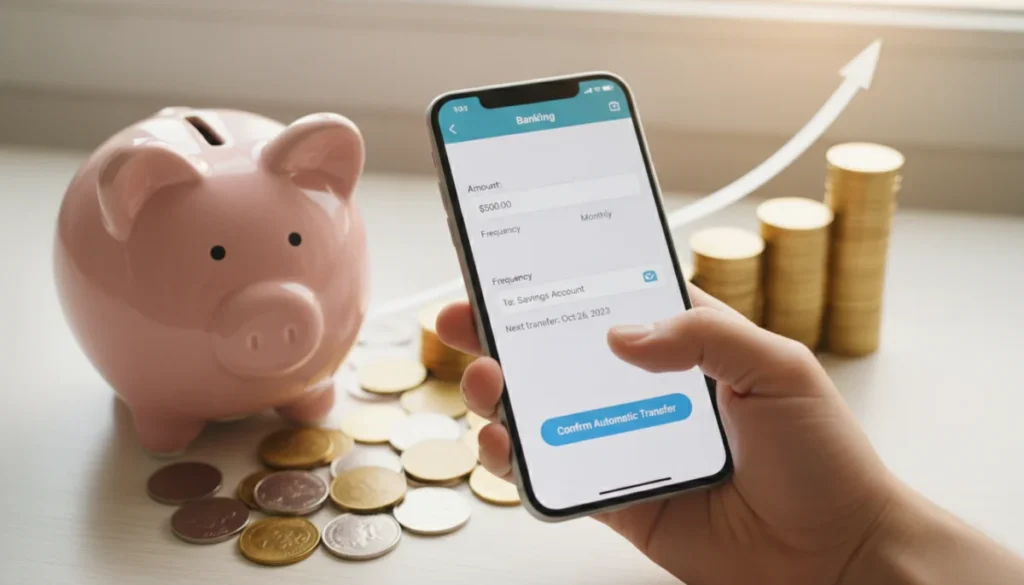
Automating your savings with a 15% automatic transfer by next month is a practical strategy for consistent wealth building, ensuring financial stability and goal achievement.
Are you ready to take control of your financial future? Learning to implement an effective strategy like automate savings transfer can significantly transform your financial landscape. This guide will walk you through setting up a 15% automatic transfer by next month, offering practical solutions to make your money work harder for you.
Understanding the Power of Automated Savings
Automating your savings is more than just a financial trick; it’s a fundamental shift in how you manage your money. This approach removes the guesswork and emotional decisions from saving, ensuring a consistent flow of funds into your savings accounts. The discipline it instills is invaluable for achieving long-term financial goals, whether it’s for a down payment, retirement, or an emergency fund.
Many people struggle with saving consistently because it often feels like a chore or an afterthought. By automating, you essentially ‘pay yourself first’ before other expenses can deplete your funds. This proactive strategy ensures that your financial well-being is prioritized, making savings a non-negotiable part of your budget rather than a hopeful leftover.
Why 15% is a Recommended Starting Point
The 15% figure is frequently cited by financial experts as a robust target for savings. It strikes a balance between being ambitious enough to make a significant impact on your financial future and being achievable for most households. Starting with 15% of your income ensures you’re building a substantial safety net and investing for future growth without severely compromising your current lifestyle. This percentage can be adjusted over time as your income or expenses change, but it provides an excellent foundation.
- Consistency: Automation ensures regular contributions, fostering a disciplined saving habit.
- Growth Potential: Consistent savings allow for compounding interest, accelerating wealth accumulation.
- Reduced Stress: Knowing your savings are handled automatically frees up mental energy.
- Achievable Goals: A clear target like 15% makes financial goals seem less daunting and more attainable.
By understanding the profound impact of automated savings, you’re better equipped to embark on this journey. It’s not just about moving money; it’s about building a resilient financial future with minimal effort once the system is in place.
Assessing Your Current Financial Situation
Before you can effectively automate a 15% transfer, you need a clear picture of your current financial landscape. This involves a thorough review of your income, expenses, and existing savings. Without this critical step, you might set an unrealistic goal or miss opportunities to optimize your spending. Taking the time for this assessment is an investment in your financial clarity and future success.
Start by gathering all your financial statements: bank accounts, credit card statements, loan documents, and pay stubs. This will provide the raw data needed to construct a comprehensive overview of your money flow. Many people find this step eye-opening, revealing spending patterns they weren’t consciously aware of.
Calculating Your Net Income
Your net income is the amount of money you actually take home after taxes, deductions, and other withholdings. This is the figure you should use when calculating your 15% savings target. Do not use your gross income, as that will lead to an inflated and potentially unachievable savings goal. Be precise with this calculation to ensure your savings plan is sustainable.
- Identify all income sources: Include salary, freelance earnings, rental income, etc.
- Subtract all deductions: Taxes, health insurance premiums, retirement contributions (if not already automated).
- Arrive at your true take-home pay: This is the basis for your 15% calculation.
For example, if your net monthly income is $4,000, a 15% automatic transfer would equate to $600 per month. This concrete number makes the goal tangible and actionable.
Analyzing Your Monthly Expenses
This is where many individuals discover areas for improvement. Categorize your expenses into fixed (rent, loan payments, insurance) and variable (groceries, entertainment, dining out). Look for opportunities to reduce variable spending without drastically impacting your quality of life. Even small adjustments can free up significant funds for your automated savings.
Consider using budgeting apps or spreadsheets to track your spending for a month or two. This provides empirical data rather than relying on estimates. Once you see exactly where your money is going, you can make informed decisions about where to cut back. This analysis is crucial for ensuring that a 15% transfer is not only possible but also comfortable within your budget.
Choosing the Right Savings Account
Once you’ve assessed your finances, the next critical step is selecting the appropriate savings vehicle. Not all savings accounts are created equal, and choosing the right one can significantly impact your financial growth and accessibility. The goal is to find an account that supports your automated savings strategy while offering competitive benefits.
Consider the purpose of your savings. Are you building an emergency fund, saving for a down payment, or investing for retirement? Different goals might necessitate different types of accounts. For instance, an emergency fund should be easily accessible, while long-term investments can be in less liquid accounts.
High-Yield Savings Accounts (HYSAs)
HYSAs are often the best choice for automated savings. These accounts typically offer significantly higher interest rates than traditional savings accounts, allowing your money to grow faster. Many HYSAs are offered by online banks, which have lower overheads and can pass those savings on to customers in the form of better rates. Look for accounts with no monthly fees and easy online access.
- Higher Interest Rates: Maximizes your earnings on saved money.
- FDIC Insured: Ensures your deposits are protected up to $250,000.
- Easy Transfers: Most online banks facilitate seamless automatic transfers from your primary checking account.
- No Monthly Fees: Avoids eroding your savings with unnecessary charges.
When selecting an HYSA, compare interest rates, minimum balance requirements, and any potential fees. While the difference in interest rates might seem small initially, it can add up substantially over time, especially with consistent automated contributions.
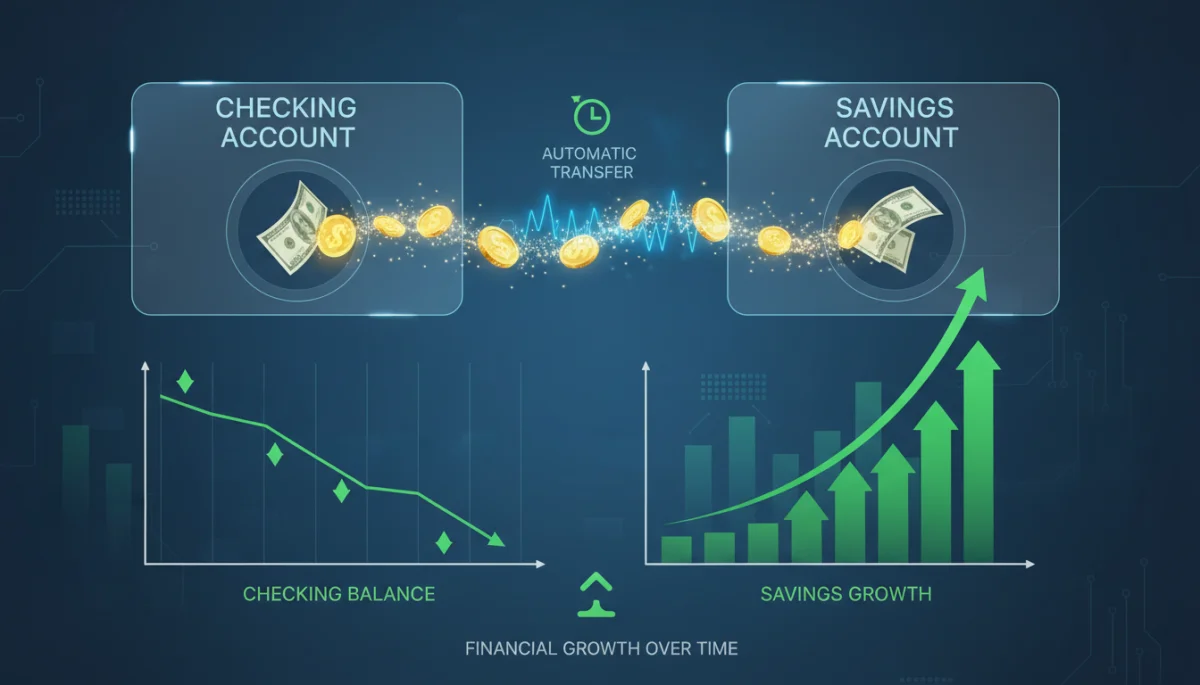
Consider opening a separate HYSA specifically for your automated transfers. This creates a psychological barrier against spending these funds and makes it easier to track your progress towards specific savings goals. Having a dedicated account reinforces the habit of ‘paying yourself first’ and keeps your savings distinct from your everyday spending.
Implementing the Automatic Transfer
With your financial assessment complete and the right savings account chosen, it’s time for the most crucial step: setting up the automatic transfer. This is where the ‘automation’ truly comes into play, transforming your savings intentions into consistent action. The process is typically straightforward and can be done online through your bank’s portal or app.
Most banks offer robust online banking platforms that allow you to schedule recurring transfers with ease. This usually involves a few clicks, specifying the amount, frequency, and destination account. Ensure all details are accurate to avoid any delays or misdirected funds.
Step-by-Step Setup Guide
Follow these steps to set up your 15% automatic transfer:
- Log in to your primary bank account: Access your online banking portal or mobile app.
- Navigate to ‘Transfers’ or ‘Payments’: The exact wording may vary, but look for options related to moving money.
- Select ‘Schedule a Transfer’ or ‘Recurring Transfer’: Choose the option for setting up regular, automated transfers.
- Specify the source and destination accounts: Your checking account will be the source, and your chosen savings account (ideally an HYSA) will be the destination.
- Enter the transfer amount: Based on your 15% calculation from your net income.
- Choose the frequency: Most commonly, this will be bi-weekly or monthly, aligning with your pay schedule.
- Set the start date: Aim for a date shortly after your paycheck lands to ensure funds are available.
- Review and confirm: Double-check all details before finalizing the setup.
It’s beneficial to schedule the transfer to occur on or immediately after your payday. This strategy, often called ‘paying yourself first,’ ensures that your savings are prioritized before you have a chance to spend the money on other expenses. This simple timing adjustment can make a significant difference in your saving consistency.
Once set up, confirm that the first transfer goes through successfully. Monitor your accounts for the first couple of cycles to ensure everything is working as intended. This proactive check can catch any errors early and give you peace of mind that your automated savings are on track.
Adjusting and Optimizing Your Automated Savings
Setting up your 15% automatic transfer is a fantastic start, but it’s not a set-it-and-forget-it endeavor. Your financial situation will evolve, and your savings strategy should too. Regularly reviewing and optimizing your automated savings ensures it remains effective and aligned with your broader financial goals. This adaptive approach is key to long-term financial success.
Life events such as promotions, new jobs, or unexpected expenses will necessitate adjustments. Don’t view these adjustments as failures, but rather as opportunities to fine-tune your system. The goal is continuous improvement and responsiveness to your changing circumstances.
Reviewing Your Budget Regularly
Make it a habit to review your budget at least once a quarter, or whenever there’s a significant change in your income or expenses. Are you consistently meeting your 15% target? Are there new opportunities to increase your savings rate? Perhaps you’ve paid off a debt, freeing up funds that can now be redirected to savings.
During these reviews, assess whether your current spending habits are sustainable with your automated savings. If you find yourself consistently short on funds before your next payday, it might indicate that your 15% is too aggressive for your current budget, or that you need to find more areas to cut discretionary spending. Be honest with yourself and make adjustments as needed.
Increasing Your Savings Rate Over Time
As your income grows or your expenses decrease, aim to gradually increase your automatic transfer percentage. Even a small increase, like an additional 1% or 2% each year, can have a profound impact over the long term due to the power of compounding. This is often referred to as ‘paying yourself more’ with each raise you receive.
Consider the ‘raise approach’: whenever you get a pay raise, automatically direct half or even all of that raise into your automated savings. You won’t miss money you never had a chance to spend, and your savings will grow significantly faster. This strategy leverages increases in your income directly into wealth building.
- Annual Check-ups: Schedule a yearly financial review to assess progress and make adjustments.
- Income Boosts: Reallocate a portion of any raises, bonuses, or unexpected windfalls to savings.
- Debt Reduction: Once debts are paid off, redirect those former payment amounts to your savings.
- Goal Alignment: Ensure your savings rate still supports your evolving financial goals.
Optimization is an ongoing process. By staying engaged and making thoughtful adjustments, your automated savings strategy will continue to serve you well, adapting to your life’s journey and propelling you towards greater financial security.
Overcoming Common Challenges
While automating your savings is a powerful strategy, it’s not without its potential hurdles. Many people encounter common challenges when trying to implement or maintain an automatic transfer system. Recognizing these obstacles and having strategies to overcome them is crucial for sustained success in your financial journey.
The key is to anticipate these difficulties and have a plan of action. Don’t get discouraged if you hit a snag; financial management is often about learning and adapting. Persistence and flexibility are your greatest assets.
Dealing with a Tight Budget
One of the most frequent challenges is feeling like there isn’t enough money to save. If setting aside a full 15% feels impossible right now, don’t give up on automation. Start smaller. Even 1% or 5% is better than nothing. The goal is to build the habit first, then gradually increase the amount as your budget allows.
Look for creative ways to free up cash. This might involve temporarily cutting back on non-essential expenses, finding a side hustle, or negotiating better rates on your bills. Even small victories, like saving $50 a month, can build momentum and confidence. Remember, the journey of a thousand miles begins with a single step.
Managing Unexpected Expenses
Life is unpredictable, and unexpected expenses can derail even the best-laid savings plans. This is precisely why an emergency fund is so critical. If you find yourself needing to dip into your automated savings for a true emergency, do so without guilt. That’s what it’s there for.
Once the immediate crisis has passed, recommit to rebuilding your emergency fund and restarting your automated transfers. Consider setting up a separate, smaller automatic transfer specifically for your emergency fund, distinct from other savings goals. This ensures that even if other savings are paused, your safety net continues to grow.
- Start Small: If 15% is too much, begin with a manageable percentage and increase gradually.
- Emergency Fund First: Prioritize building a robust emergency fund to cover unexpected costs.
- Review and Adjust: Regularly revisit your budget to identify areas for cost reduction or income increase.
- Stay Flexible: Understand that life happens; be prepared to adjust your plan and get back on track.
By proactively addressing these common challenges, you can maintain the integrity of your automated savings plan and continue to make steady progress toward your financial aspirations, even when faced with life’s inevitable curveballs.
Long-Term Benefits and Sustaining the Habit
The immediate satisfaction of seeing your savings grow is rewarding, but the true power of automating your savings lies in its long-term benefits. Sustaining this habit over months and years will fundamentally transform your financial security and open doors to future opportunities. It’s about building a legacy of financial stability.
Consider the compounding effect: consistent, automated contributions, especially into high-yield accounts, will lead to exponential growth over time. What starts as a small monthly transfer can evolve into a substantial sum, providing peace of mind and financial freedom.
Achieving Financial Milestones
With automated savings, you’ll find yourself reaching financial milestones much faster than you would with sporadic saving efforts. Whether it’s saving for a down payment on a home, funding your children’s education, or building a comfortable retirement nest egg, consistency is the key accelerant. Each automated transfer is a step closer to these significant life goals.
The habit of saving becomes ingrained, making it feel less like a chore and more like a natural part of your financial routine. This behavioral shift is one of the most powerful long-term benefits, as it creates a foundation for lifelong financial prudence and success. You’re not just saving money; you’re building a sustainable financial lifestyle.
Building a Secure Financial Future
Beyond specific goals, automated savings contribute to overall financial resilience. An emergency fund provides a buffer against unforeseen events, while investment savings build wealth that can support you in retirement or allow for early financial independence. This holistic approach to saving ensures you’re prepared for whatever the future holds.
Furthermore, having substantial savings can reduce financial stress, improve your creditworthiness, and provide greater flexibility in career and life choices. It empowers you to make decisions based on what’s best for you, rather than being constrained by financial limitations. The peace of mind that comes with a strong financial foundation is priceless.
- Compounding Growth: Witness your money grow exponentially over time with consistent contributions.
- Goal Attainment: Achieve major life goals like homeownership or retirement faster and more reliably.
- Reduced Stress: Experience greater financial peace of mind knowing your future is secure.
- Increased Flexibility: Gain the freedom to make life choices without immediate financial constraints.
By committing to and sustaining the habit of automated savings, you are not just managing your money; you are actively shaping a more prosperous and secure future for yourself and your loved ones.
| Key Point | Brief Description |
|---|---|
| Automate 15% Savings | Set up a recurring transfer of 15% of your net income to a dedicated savings account. |
| Assess Finances | Review income and expenses to determine a realistic and sustainable savings amount. |
| Choose HYSA | Select a high-yield savings account to maximize interest earnings on your automated transfers. |
| Regular Optimization | Periodically review and adjust your savings plan to align with changing financial circumstances and goals. |
Frequently Asked Questions About Automated Savings
While 15% of your net income is a widely recommended starting point by financial experts, the ideal percentage can vary based on individual financial goals, income level, and expenses. Some aim for 20% or more, especially for retirement, but any consistent saving is beneficial.
It’s best to align your automatic transfers with your pay schedule. If you get paid bi-weekly, set up bi-weekly transfers. If monthly, then monthly. This ensures that funds are moved into savings as soon as you receive your income, effectively paying yourself first.
Absolutely. Most banks allow you to easily modify or cancel recurring transfers through their online banking platform or mobile app. It’s recommended to review your budget regularly and adjust your savings rate as your income or expenses change over time.
Don’t be discouraged. Start with a smaller, more manageable percentage, even if it’s just 1% or 5%. The most important thing is to build the habit of consistent saving. As you optimize your budget or increase your income, you can gradually raise the percentage.
Many financial experts recommend using a separate, high-yield savings account, often with an online bank, for automated savings. This can help you earn more interest and create a psychological barrier, making it less likely to dip into those funds for everyday expenses.
Conclusion
Automating your savings: set up a 15% automatic transfer by next month (PRACTICAL SOLUTIONS) is not merely a financial strategy; it is a commitment to your future self. By systematically setting aside a portion of your income, you eliminate the temptation of discretionary spending and ensure consistent progress towards your financial goals. This structured approach, combined with regular review and optimization, empowers you to build a robust financial foundation, achieve significant milestones, and ultimately secure a more prosperous and stress-free life. Start today, and watch your financial future transform.