Mortgage Pre-Approval 2026: Secure Your Loan First
Mortgage pre-approval in 2026 is a critical step for homebuyers, offering a clear financial picture and a competitive advantage in a dynamic real estate market before actively shopping for a home.
By: Rafaela on September 23, 2026
Mortgage pre-approval 2026 is an essential step for prospective homebuyers, providing a verified loan amount and demonstrating serious intent to sellers in a competitive real estate landscape.
Navigating the housing market can feel daunting, especially with evolving financial landscapes. Understanding the latest in mortgage pre-approval: securing your loan before you shop in 2026 is not just an advantage; it’s becoming a necessity. This crucial step empowers you by clarifying your buying power, streamlining your home search, and making you a more attractive buyer.
Understanding Mortgage Pre-Approval: The 2026 Perspective
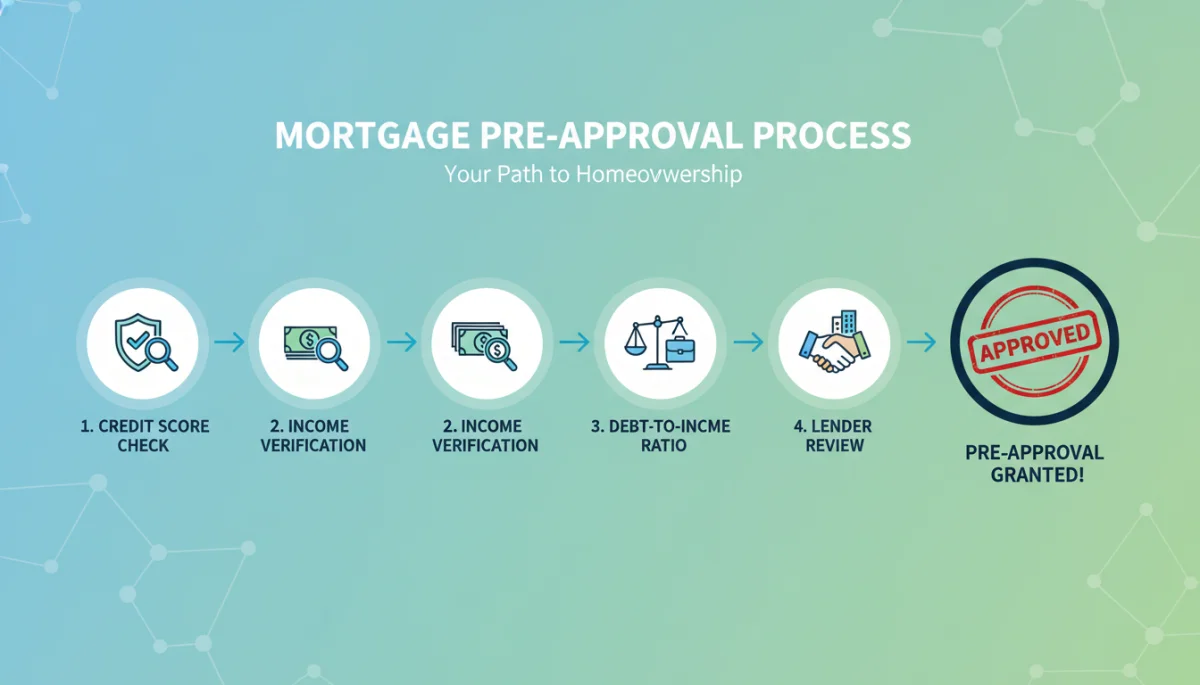
Mortgage pre-approval is more than just a casual conversation with a lender. In 2026, it signifies a formal evaluation of your financial health, resulting in a conditional commitment from a lender to provide you with a specific loan amount. This process involves a comprehensive review of your credit history, income, assets, and liabilities.
The real estate market continues to shift, and with it, the importance of presenting a strong offer. A pre-approval letter tells sellers and their agents that you are a serious and qualified buyer, significantly strengthening your position in multiple-offer situations. This isn’t merely an estimate; it’s a robust assessment of your borrowing capacity, subject only to the final property appraisal and a few other verifications.
Key Differences: Pre-Qualification vs. Pre-Approval
Many prospective homeowners confuse pre-qualification with pre-approval, but they are distinctly different, especially in a competitive market. Knowing the difference can save you time and potential disappointment.
Pre-Qualification: This is a preliminary assessment based on self-reported financial information. It offers a rough estimate of what you might be able to borrow but doesn’t involve a deep dive into your financial records or a hard credit check.
Pre-Approval: This is a much more thorough process. It requires official documentation of income, assets, and a full credit check. The lender provides a letter stating the exact loan amount they are willing to offer, giving you significant leverage.
In 2026, lenders are scrutinizing applications more closely than ever. While pre-qualification can be a good starting point to understand your general affordability, it holds little weight when making an offer on a home. Pre-approval, on the other hand, is the gold standard, providing a clear financial green light to proceed with your home search.
Ultimately, obtaining pre-approval before you begin house hunting provides a concrete budget, saving you from falling in love with homes outside your financial reach. It also signals to real estate agents that you are a serious client, ready to move forward efficiently.
The Evolving Landscape of Lender Requirements in 2026
The mortgage industry is dynamic, with regulations and lender criteria often evolving. As we look towards 2026, several key trends are influencing what lenders expect from applicants seeking mortgage pre-approval.
One significant area of focus is credit health. Lenders are increasingly looking for strong, consistent credit histories, not just high scores. They want to see responsible management of various credit types over time, indicating a lower risk profile. This includes timely payments on all debts, from credit cards to student loans.
Technological Advancements in Application Processing
Digitalization continues to transform the application process. In 2026, many lenders utilize advanced algorithms and AI to streamline document verification and risk assessment. This can lead to faster pre-approval times, but also means that any inconsistencies or red flags in your financial data will be identified more quickly.
Automated Verification: Systems can now instantly verify income and employment through secure connections to payroll providers and financial institutions.
Enhanced Fraud Detection: Sophisticated tools are in place to detect fraudulent activities or discrepancies in submitted documents, ensuring the integrity of the application.
Personalized Offers: Data analysis allows lenders to tailor mortgage products more precisely to individual applicant profiles, potentially offering better rates or terms.
Beyond credit, lenders are also paying close attention to debt-to-income (DTI) ratios. A lower DTI indicates that a smaller portion of your monthly income is consumed by debt payments, leaving more disposable income for your mortgage. This is a crucial metric for lenders assessing your ability to manage new mortgage payments.
Furthermore, the source and stability of your income are paramount. Lenders want to see a consistent employment history, ideally with the same employer or within the same industry. For self-employed individuals, a longer history of consistent income, typically two years or more, is often required.
Benefits of Securing Pre-Approval Before Home Shopping
Securing mortgage pre-approval before you even start browsing homes offers a multitude of benefits that can significantly enhance your homebuying journey in 2026. This proactive step sets you apart in a competitive market and provides you with invaluable clarity and confidence.
Firstly, it gives you a precise understanding of your budget. There’s no guesswork involved; you know exactly how much a lender is willing to finance. This allows you to focus your home search on properties within your financial reach, preventing emotional attachments to homes you cannot afford and saving considerable time and effort.
Competitive Edge in the Real Estate Market
In 2026, real estate markets in many areas remain robust, with desirable properties often receiving multiple offers. Presenting a pre-approval letter with your offer immediately signals to sellers that you are a serious, qualified buyer. This can be a deciding factor, even over a slightly higher offer from a buyer who isn’t pre-approved.
Increased Credibility: Sellers view pre-approved buyers as less risky, as the financing is already largely secured.
Faster Closings: With much of the financial vetting already completed, the closing process can often be expedited, which is attractive to sellers who want a quick transaction.
Stronger Negotiation Position: Knowing your exact buying power allows you to negotiate with confidence, potentially securing better terms or a more favorable price.
Moreover, pre-approval can significantly reduce stress during the homebuying process. Knowing your financing is in order removes a major hurdle and allows you to concentrate on finding the right home, rather than worrying about whether you’ll qualify for a loan. It transforms the often-anxiety-inducing process into a more structured and manageable experience.
Ultimately, the benefits of pre-approval extend beyond just securing a loan. It’s about empowering you as a buyer, giving you the tools and confidence to navigate the 2026 housing market successfully and efficiently.
The Pre-Approval Process in Detail for 2026 Applicants
Understanding the steps involved in obtaining mortgage pre-approval is crucial for a smooth and efficient experience. In 2026, while technology streamlines much of the process, thorough preparation on your part remains key.
The journey typically begins with choosing a reputable lender. This could be a traditional bank, a credit union, or an online mortgage provider. Researching different lenders and their offerings is vital to find the best fit for your financial situation and needs.
Once you’ve selected a lender, you’ll complete a mortgage application. This application will ask for extensive personal and financial information, which the lender will then use to assess your creditworthiness. Be prepared to provide a significant amount of documentation.
Required Documentation for Pre-Approval
Gathering these documents beforehand can significantly speed up your pre-approval application. Lenders require a clear picture of your financial standing.
Income Verification: Pay stubs (typically for the last 30 days), W-2 forms (for the past two years), and federal tax returns (for the past two years). Self-employed individuals will need business tax returns and profit and loss statements.
Asset Verification: Bank statements (for checking and savings accounts, typically for the last two months), investment account statements, and any other evidence of assets.
Credit History: While the lender will pull your credit report, it’s wise to review your own report beforehand for any errors.
Debt Information: Details on any outstanding loans (student, auto, personal) and credit card debts.
After submitting your application and documentation, the lender will conduct a hard inquiry on your credit report. This will temporarily ding your credit score by a few points, but the impact is usually minimal and short-lived, especially if done within a short period for multiple mortgage inquiries. They will then assess your debt-to-income ratio and overall financial risk.
If approved, you’ll receive a pre-approval letter, which outlines the maximum loan amount, estimated interest rate, and other important terms. This letter is typically valid for 60 to 90 days, though you can often get it reissued if needed.
Factors Influencing Your Mortgage Pre-Approval in 2026
Several critical factors come into play when lenders evaluate your application for mortgage pre-approval in 2026. Understanding these elements can help you prepare and optimize your financial profile to secure the best possible terms.
Your credit score is undoubtedly one of the most influential factors. Lenders use it as a primary indicator of your creditworthiness and your likelihood of repaying the loan. A higher credit score typically translates to more favorable interest rates and better loan terms. It’s advisable to check your credit report well in advance and address any discrepancies.
Debt-to-Income Ratio (DTI) and Its Importance
The debt-to-income ratio (DTI) is another cornerstone of lender evaluation. This ratio compares your total monthly debt payments to your gross monthly income. Lenders typically prefer a DTI of 43% or lower, though this can vary depending on the loan program and other mitigating factors.
Front-End DTI: This refers to the percentage of your gross income that goes towards housing costs (mortgage principal and interest, property taxes, homeowner’s insurance).
Back-End DTI: This includes all your monthly debt obligations, including housing costs, credit card payments, auto loans, and student loans, as a percentage of your gross monthly income.
Lenders also thoroughly examine your employment history and income stability. They want to see a consistent and reliable source of income that demonstrates your ability to make regular mortgage payments. Sudden job changes, gaps in employment, or frequent career shifts can sometimes raise red flags, requiring additional explanations or documentation.
Furthermore, your savings and assets play a significant role. Having a healthy down payment not only reduces the amount you need to borrow but also signals financial prudence to lenders. Sufficient reserves in your savings accounts can also demonstrate your ability to cover unexpected expenses or periods of financial strain, making you a less risky borrower.
In essence, lenders are looking for a comprehensive picture of financial responsibility and stability. By optimizing these key areas, you can significantly improve your chances of obtaining a favorable mortgage pre-approval in 2026.
Maintaining Your Pre-Approval Status Until Closing
Receiving your mortgage pre-approval letter is a significant milestone, but it’s not the final step. Maintaining your pre-approval status until closing requires careful financial management. Many homebuyers, excited by their pre-approval, inadvertently take actions that can jeopardize their loan before the deal is sealed.
The period between pre-approval and closing is critical. Lenders will often re-verify your financial information just before closing to ensure no significant changes have occurred. Any major shifts in your financial situation could lead to your pre-approval being revoked or the loan terms being altered.
Financial Pitfalls to Avoid After Pre-Approval
To safeguard your pre-approval, it’s essential to avoid certain financial behaviors that could negatively impact your credit or debt-to-income ratio.
Do Not Apply for New Credit: Opening new credit cards, taking out car loans, or financing furniture can increase your debt and lower your credit score, potentially affecting your DTI.
Avoid Large Purchases: Making significant purchases that deplete your savings or require new loans can be detrimental. Lenders want to see stable assets.
Do Not Change Jobs: A sudden change in employment, especially if it involves a different industry or a significant pay cut, can raise concerns about income stability.
Keep All Accounts Current: Continue to make all your bill payments on time. Late payments can negatively impact your credit score.
Do Not Close Credit Accounts: While it might seem counterintuitive, closing old credit accounts can sometimes hurt your credit score by reducing your available credit and shortening your credit history.
It’s also important to keep all your financial documentation organized and readily accessible. Your lender may request updated bank statements, pay stubs, or other proofs of income before closing. Being able to provide these promptly can prevent delays.
By exercising financial prudence and avoiding major financial changes, you can ensure that your mortgage pre-approval remains valid and that your path to homeownership stays on track. Communication with your lender about any unavoidable changes is also key.
Future Trends and What to Expect in 2026 Mortgage Pre-Approval
The mortgage industry is continuously evolving, driven by technological advancements, economic shifts, and changing regulatory landscapes. For those looking to secure mortgage pre-approval in 2026, understanding these emerging trends can provide a strategic advantage.
One significant trend is the increasing adoption of artificial intelligence and machine learning in loan underwriting. These technologies promise faster, more efficient, and potentially more equitable pre-approval processes by analyzing vast datasets and identifying patterns that human underwriters might miss. This could lead to quicker decisions and more personalized loan products.
Sustainability and Green Mortgages
As environmental concerns grow, so does the focus on sustainable living. In 2026, expect to see a rise in ‘green mortgages’ or incentives for energy-efficient homes. Lenders might offer better rates or more favorable terms for properties that meet certain environmental standards, reflecting both consumer demand and regulatory pushes.
Eco-Friendly Incentives: Special loan programs for homes with solar panels, high-efficiency appliances, or sustainable building materials.
Property Value Enhancement: Lenders may view energy-efficient homes as having higher long-term value and lower operating costs, reducing borrower risk.
Streamlined Valuations: New appraisal methods might be developed to accurately assess the value of green features.
Another area of development is the continued emphasis on financial literacy and consumer education. Lenders and financial institutions are likely to invest more in tools and resources that help prospective homebuyers understand the pre-approval process, manage their credit, and prepare for homeownership. This proactive approach aims to reduce loan defaults and empower borrowers.
Furthermore, expect greater scrutiny on alternative income sources and employment structures. With the rise of the gig economy and remote work, lenders are adapting their criteria to evaluate non-traditional income streams more effectively. This might involve looking at longer income histories or more diverse forms of documentation for self-employed or contract workers.
Ultimately, the future of mortgage pre-approval in 2026 points towards a more technologically integrated, environmentally conscious, and consumer-centric process, designed to make homeownership more accessible and sustainable for a broader range of applicants.
Key Aspect
Brief Description
Definition
Formal lender commitment to a specific loan amount based on financial review.
Credit score, DTI, income stability, assets, and down payment.
Post-Approval Care
Avoid new credit, large purchases, or job changes to maintain status.
Frequently Asked Questions About Mortgage Pre-Approval
What is the primary difference between pre-qualification and pre-approval?▼
Pre-qualification is a basic estimate based on self-reported data, offering a rough idea of affordability. Pre-approval, however, involves a thorough financial review and credit check, resulting in a conditional loan commitment from a lender, providing much stronger credibility.
How long does a mortgage pre-approval typically last?▼
A mortgage pre-approval letter is generally valid for 60 to 90 days. If you haven’t found a home within that timeframe, you can usually work with your lender to get the letter reissued, though they may require updated financial documents.
Can pre-approval negatively impact my credit score?▼
Yes, obtaining a pre-approval involves a ‘hard inquiry’ on your credit report, which can slightly lower your credit score by a few points. However, if you shop for multiple lenders within a short period (typically 14-45 days), these inquiries are often grouped and treated as a single event.
What documents are essential for mortgage pre-approval in 2026?▼
Key documents include recent pay stubs, W-2 forms (two years), federal tax returns (two years), bank statements (two months), and details of any outstanding debts. Self-employed individuals will need additional business financial records.
Why is it crucial to maintain my financial situation after pre-approval?▼
Lenders perform a final check before closing, and any significant financial changes (like new debt, job changes, or large purchases) can alter your debt-to-income ratio or credit score, potentially jeopardizing your loan approval or changing its terms.
Conclusion
In conclusion, the latest in mortgage pre-approval: securing your loan before you shop in 2026 is an indispensable strategy for any prospective homebuyer. It not only provides a clear financial roadmap but also equips you with significant leverage in a competitive housing market. By understanding the evolving lender requirements, meticulously preparing your documentation, and diligently maintaining your financial health post-approval, you position yourself for a smoother, more confident path to homeownership. Embracing this proactive approach ensures you are not just dreaming of a home, but are genuinely ready to make that dream a reality.