Banking Security 2026: Protect Accounts from Cyber Threats
Implementing advanced authentication protocols and staying informed about emerging cyber threats are paramount for maintaining robust banking security in 2026.
The digital landscape of finance is constantly evolving, making
banking security in 2026 a critical concern for everyone. With cyber threats becoming more sophisticated, understanding the latest protection mechanisms is not just advisable; it’s essential for safeguarding your hard-earned money. This article delves into the proactive strategies and technological advancements that will define financial safety in the coming year.
Understanding the Evolving Threat Landscape in 2026
The year 2026 brings with it a new generation of cyber threats, pushing the boundaries of traditional banking security. Attackers are no longer relying solely on brute force or simple phishing; instead, they are leveraging artificial intelligence, machine learning, and highly targeted social engineering tactics. These advanced methods make it harder for individuals and even financial institutions to detect and prevent breaches. Understanding these evolving threats is the first step toward effective protection.
AI-powered attacks and deepfakes
One of the most concerning developments is the rise of AI-powered attacks. These can range from highly convincing deepfake audio or video used in social engineering scams to AI-driven malware that adapts to security defenses in real-time. Criminals use these tools to impersonate bank representatives or even family members, tricking individuals into revealing sensitive information or authorizing fraudulent transactions. The seamless nature of these deceptions makes them incredibly dangerous.
- Adaptive Malware: Malicious software that uses AI to learn and bypass conventional antivirus solutions.
- Deepfake Scams: AI-generated audio/video used to impersonate trusted individuals, leading to financial fraud.
- Automated Phishing: Sophisticated phishing campaigns tailored by AI to individual targets, increasing success rates.
The complexity of these threats demands a multi-layered security approach, combining technological safeguards with heightened user awareness. As these threats continue to evolve, so too must our understanding and defenses, ensuring that we are always one step ahead of potential attackers. Vigilance and continuous education are key components in this ongoing battle for financial security.
The Role of Biometrics and Multi-Factor Authentication (MFA)
In 2026, biometrics and multi-factor authentication (MFA) are no longer luxury features but fundamental pillars of robust banking security. As passwords become increasingly vulnerable to breaches and sophisticated guessing algorithms, these advanced authentication methods provide crucial layers of defense. Banks are heavily investing in these technologies to ensure that only authorized users can access their accounts, significantly reducing the risk of unauthorized access.
MFA, in particular, requires users to verify their identity using at least two different methods. This could involve something you know (like a password), something you have (like a phone or hardware token), or something you are (like a fingerprint or facial scan). Even if one factor is compromised, the attacker would still need to bypass the second factor, making it exponentially harder to gain unauthorized access. This layered approach is proving highly effective against a wide range of cyber threats.
Advanced biometric technologies
Beyond traditional fingerprints and facial recognition, 2026 sees the emergence of more advanced biometric technologies in banking. These include iris scanning, voice recognition, and even behavioral biometrics, which analyze unique user patterns like typing speed or mouse movements. These advanced methods offer a higher level of security and convenience, making it harder for imposters to mimic legitimate users.
- Iris Recognition: Highly accurate and difficult to spoof, offering superior security.
- Behavioral Biometrics: Continuously monitors user interaction patterns to detect anomalies.
- Voice Authentication: Analyzes unique vocal characteristics for secure identity verification.
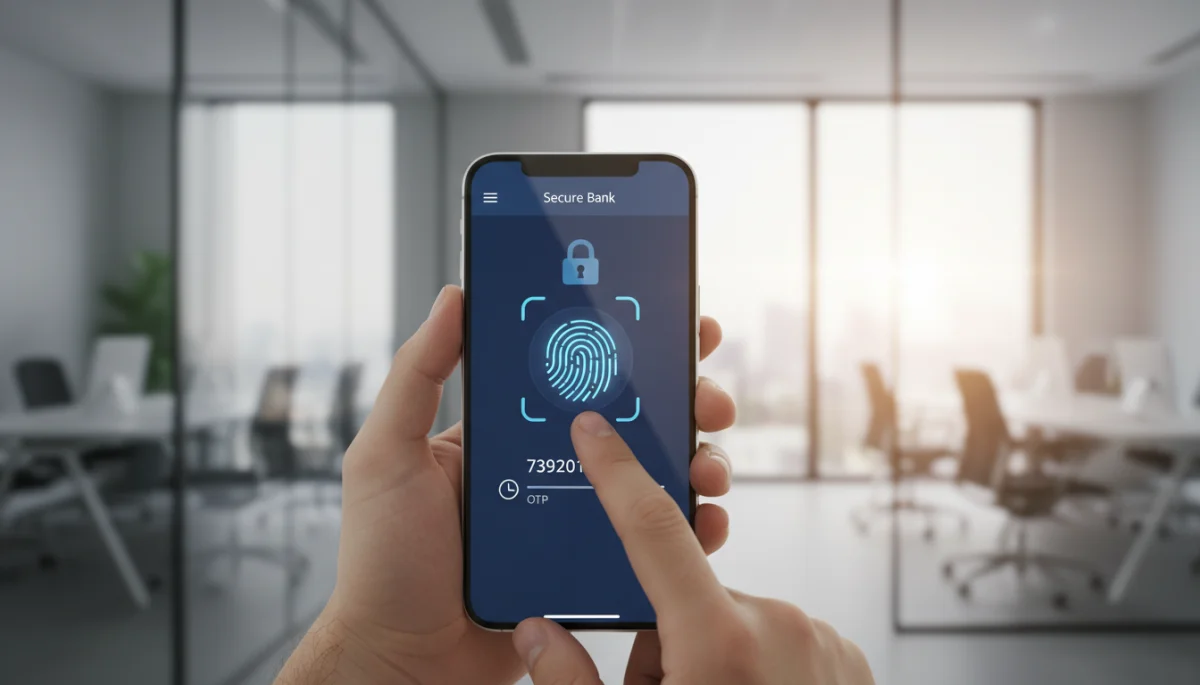
The integration of these technologies into everyday banking apps and online platforms is making transactions safer and more seamless. While no system is entirely foolproof, the widespread adoption of strong MFA and advanced biometrics significantly elevates the baseline for banking security, empowering users with greater control over their financial protection. Staying updated on your bank’s latest authentication offerings is vital.
AI and Machine Learning in Fraud Detection
Artificial intelligence (AI) and machine learning (ML) are at the forefront of fraud detection in 2026, revolutionizing how banks identify and prevent illicit activities. These technologies can analyze vast amounts of data in real-time, identifying suspicious patterns and anomalies that human analysts might miss. By continuously learning from new data, AI/ML systems become increasingly effective at distinguishing legitimate transactions from fraudulent ones, providing a critical defense against evolving cyber threats.
Banks are deploying AI algorithms to monitor every transaction, login attempt, and account activity. These systems can flag unusual spending habits, logins from unfamiliar locations, or atypical transaction sizes. When a suspicious activity is detected, the system can automatically block the transaction, alert the customer, or trigger further verification steps, minimizing potential losses. This proactive approach is a game-changer in maintaining robust banking security.
Predictive analytics for threat intelligence
Beyond real-time detection, AI and ML are also used for predictive analytics, allowing banks to anticipate and mitigate future threats. By analyzing historical data and global cyberattack trends, these systems can forecast potential vulnerabilities and emerging attack vectors. This intelligence enables banks to strengthen their defenses before a new threat even materializes, shifting from reactive responses to proactive prevention.
- Real-time Anomaly Detection: Instantly identifies deviations from normal account behavior.
- Behavioral Profiling: Creates unique profiles for each user to spot unusual activity.
- Threat Prediction: Uses historical data to foresee and prepare for future cyberattacks.
The continuous improvement of AI and ML models means that banking security systems are becoming smarter and more resilient. This technological advantage allows financial institutions to offer a safer environment for their customers, even as cybercriminals develop more sophisticated methods. Embracing these innovations is crucial for effective fraud prevention in the modern digital age.
Secure Mobile Banking Practices for 2026
Mobile banking has become indispensable, but its convenience also presents unique security challenges. In 2026, adopting secure mobile banking practices is paramount to protect your accounts from vulnerabilities inherent in mobile devices. From securing your device itself to being cautious about network connections, every step you take contributes to the overall safety of your financial information. Ignoring these practices can leave your accounts exposed to various cyber threats.
Always ensure your mobile banking app is downloaded from official app stores and kept updated to the latest version. These updates often include critical security patches that address newly discovered vulnerabilities. Additionally, enable screen locks and use strong passwords or biometrics on your device to prevent unauthorized access if your phone is lost or stolen. These simple yet effective measures form the first line of defense.
Public Wi-Fi risks and VPNs
One significant risk associated with mobile banking is the use of public Wi-Fi networks. These networks are often unsecured and can be easily intercepted by cybercriminals looking to steal data. Always avoid accessing your banking apps or sensitive information when connected to public Wi-Fi. If you must, use a reputable Virtual Private Network (VPN) to encrypt your internet traffic, providing a secure tunnel for your data.
- Use Official Apps: Only download banking apps from legitimate app stores.
- Keep Apps Updated: Install all security updates for your banking applications.
- Avoid Public Wi-Fi: Do not access banking on unsecured public networks; use a VPN if necessary.
Furthermore, be wary of unsolicited texts or emails that appear to be from your bank. Phishing attempts are common on mobile devices, often leading users to fake websites designed to steal credentials. Always verify the sender and, if in doubt, contact your bank directly through official channels. By following these secure mobile banking practices, you can significantly reduce your risk and enjoy the convenience of banking on the go with peace of mind.
The Importance of User Education and Awareness
While technological advancements play a massive role in banking security, user education and awareness remain critical components in 2026. No matter how sophisticated the security systems are, the human element can often be the weakest link. Cybercriminals frequently exploit human psychology through social engineering tactics, making it imperative for individuals to recognize and resist these attempts. Empowering users with knowledge is a powerful defense.
Banks and financial institutions are increasingly investing in educational campaigns to inform their customers about common scams, phishing techniques, and best security practices. These initiatives often include tips on creating strong, unique passwords, understanding the risks of sharing personal information online, and recognizing the signs of a potential cyberattack. A well-informed customer is less likely to fall victim to fraud.
Recognizing social engineering tactics
Social engineering is a broad category of malicious activities that relies on psychological manipulation rather than technical hacking. Attackers might impersonate trusted entities, create a sense of urgency, or appeal to a victim’s helpful nature to trick them into divulging sensitive information. Common tactics include phishing emails, smishing (SMS phishing), and vishing (voice phishing). Learning to identify these tactics is crucial.
- Verify Sender Identity: Always confirm who is contacting you, especially if they request sensitive data.
- Beware of Urgency: Be suspicious of messages that demand immediate action or threaten negative consequences.
- Question Unusual Requests: Banks will rarely ask for your full password or account details via email or phone.
Regularly reviewing security alerts from your bank and staying informed about current cyber threats can significantly enhance your personal security posture. By being vigilant and skeptical of unsolicited communications, you can become an active participant in protecting your financial accounts. User education is not just about avoiding scams; it’s about building a resilient mindset against evolving cyber threats.
Future Trends in Banking Security: Quantum Computing and Beyond
As we look beyond 2026, the future of banking security is poised for transformative changes driven by emerging technologies like quantum computing, advanced cryptography, and decentralized finance. These innovations promise to either enhance security to unprecedented levels or introduce entirely new vulnerabilities. Understanding these long-term trends is crucial for anticipating the next generation of financial protection.
Quantum computing, while still in its nascent stages, has the potential to break current encryption standards, posing a significant threat to existing banking security protocols. However, it also opens the door for quantum-resistant cryptography, which would offer an entirely new level of data protection. Banks are already researching and developing post-quantum cryptographic solutions to prepare for this future challenge, ensuring data integrity and confidentiality.
Decentralized finance and blockchain security
The rise of decentralized finance (DeFi) and blockchain technology also introduces new paradigms for security. While blockchain’s inherent distributed ledger technology offers transparency and immutability, the DeFi ecosystem itself can present new attack surfaces, such as smart contract vulnerabilities. Banks are exploring how to integrate the security benefits of blockchain while mitigating its unique risks, potentially leading to hybrid financial systems.
- Quantum-Resistant Cryptography: Developing encryption methods impervious to quantum attacks.
- Blockchain for Security: Utilizing distributed ledger technology for enhanced transaction transparency and immutability.
- Zero-Trust Architectures: Implementing security models that verify every access request, regardless of origin.
These future trends highlight a continuous arms race between cybercriminals and security experts. The integration of AI, advanced biometrics, and quantum-safe technologies will define the next decade of banking security. Staying informed about these developments is not just for institutions; it’s for every individual who wants to ensure their financial future remains secure in an increasingly complex digital world.
| Key Security Aspect | Brief Description |
|---|---|
| Advanced Authentication | Utilizing MFA and biometrics like iris scans and behavioral patterns for secure access. |
| AI/ML Fraud Detection | Real-time analysis and predictive analytics to identify and prevent fraudulent activities. |
| Secure Mobile Banking | Best practices for mobile devices, including app updates, strong device security, and avoiding public Wi-Fi. |
| User Education | Empowering users to recognize and resist social engineering and phishing attempts. |
Frequently Asked Questions About Banking Security in 2026
In 2026, the biggest new threats include AI-powered deepfake scams used for social engineering, highly adaptive malware that evades traditional defenses, and sophisticated phishing campaigns tailored by machine learning to individual targets. These threats require advanced, multi-layered security approaches.
To secure mobile banking, always download apps from official stores, keep them updated, and use strong device security like biometrics or complex passcodes. Avoid banking on public Wi-Fi; if necessary, use a trusted VPN to encrypt your connection and protect your data from interception.
AI and machine learning are crucial for real-time fraud detection and predictive analytics in 2026. They analyze vast data to identify unusual patterns, block suspicious transactions, and anticipate future threats. This helps banks proactively strengthen defenses against evolving cybercriminal tactics.
While still used, traditional passwords are less reliable in 2026 due to breaches and advanced guessing algorithms. Multi-factor authentication (MFA) and biometrics are now essential. Passwords should be strong and unique, but always combined with additional verification steps for robust security.
Beyond 2026, future trends include the development of quantum-resistant cryptography to combat quantum computing threats, enhanced blockchain security in decentralized finance, and widespread adoption of zero-trust architectures. These innovations aim to create an even more resilient and secure financial ecosystem.
Conclusion
The landscape of banking security in 2026 is characterized by rapid technological advancement and an ever-present need for vigilance. From sophisticated AI-powered threats to the integration of advanced biometrics and machine learning in fraud detection, both financial institutions and individual users must adapt to stay protected. By understanding evolving threats, adopting secure practices like MFA and safe mobile banking, and prioritizing continuous user education, we can collectively build a more secure financial future. Staying informed and proactive is not just a recommendation; it’s a necessity in safeguarding your accounts against the latest cyber threats.