Navigating Federal Reserve Rate Hikes: Your 2026 Home Loan Guide
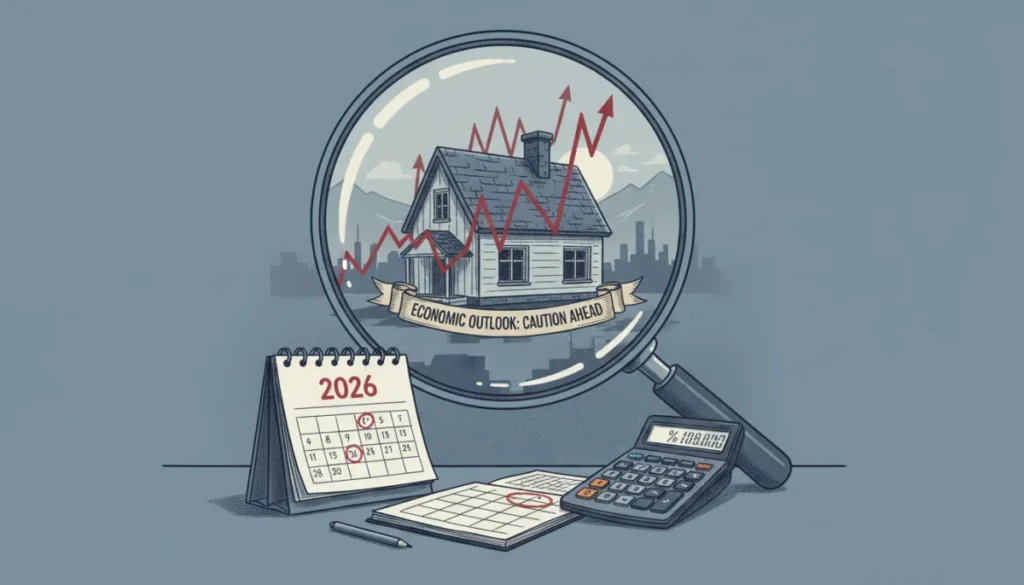
Understanding Federal Reserve rate hikes is essential for anyone considering a 2026 home loan, as they directly influence mortgage costs and housing market conditions.
Considering a home loan in 2026? The economic landscape, particularly the actions of the Federal Reserve, will play a pivotal role in your borrowing power and overall mortgage costs. Understanding how to navigate the new Federal Reserve rate hikes: what they mean for your 2026 home loan is not just smart planning; it’s essential for securing favorable terms and making informed decisions in an evolving market.
Understanding the Federal Reserve’s Role in Mortgage Rates
The Federal Reserve, often referred to as ‘the Fed,’ is the central banking system of the United States. Its primary mandate includes maintaining price stability and maximizing employment. One of the most potent tools at its disposal to achieve these goals is adjusting the federal funds rate, which, while not directly setting mortgage rates, profoundly influences them. When the Fed raises this benchmark rate, it typically makes borrowing more expensive across the economy, impacting everything from credit card interest to auto loans and, crucially, home mortgages.
The relationship between the federal funds rate and mortgage rates is often indirect but undeniable. Mortgage rates are more closely tied to long-term Treasury yields, especially the 10-year Treasury note. However, expectations of future Fed actions significantly sway these yields. If the market anticipates aggressive rate hikes from the Fed, investors demand higher returns on bonds, which in turn pushes up mortgage rates. This chain reaction means that even subtle shifts in the Fed’s monetary policy can have substantial consequences for prospective homebuyers.
How Fed Policy Transmits to Mortgage Markets
The transmission mechanism from Federal Reserve policy to mortgage rates involves several key steps. Firstly, the Fed’s signaling of future rate changes affects market sentiment. Bond traders and investors react to these signals, adjusting their expectations for inflation and economic growth. These adjustments then ripple through the bond market, influencing the yields on mortgage-backed securities (MBS), which are a significant component of mortgage financing.
- Federal Funds Rate: The target rate for overnight lending between banks, directly influenced by the Fed.
- Inflation Expectations: The market’s belief about future price increases, a major driver of long-term interest rates.
- 10-Year Treasury Yield: A key benchmark for mortgage rates, reflecting the cost of government borrowing.
- Mortgage-Backed Securities (MBS): Bonds representing claims on the cash flows from pools of mortgage loans.
Understanding this intricate relationship is vital for anyone planning to purchase a home in 2026. The Fed’s forward guidance and actual rate adjustments will be critical indicators of where mortgage rates are headed, directly influencing the affordability and accessibility of homeownership.
The Impact of Rate Hikes on Your Borrowing Power
Federal Reserve rate hikes directly influence the cost of borrowing, which in turn affects your purchasing power for a home loan. When interest rates rise, the monthly payment for a given loan amount also increases. This means that for the same monthly budget, you will qualify for a smaller loan amount, effectively reducing your borrowing power. This can be a significant hurdle for many homebuyers, especially in competitive markets where home prices remain elevated.
Consider a scenario where rates increase by just one percentage point. On a $400,000 mortgage, this could translate to hundreds of dollars more per month in interest payments. Over the life of a 30-year loan, this difference accumulates into tens of thousands of dollars. Such an increase can push some buyers out of their desired price range or even out of the market entirely, forcing them to reconsider their homeownership goals or search for less expensive properties.
Calculating the Cost of Higher Rates
It’s crucial for prospective homebuyers to run different scenarios based on potential rate increases. Mortgage lenders use debt-to-income (DTI) ratios to determine eligibility, and a higher monthly payment due to elevated interest rates can push this ratio beyond acceptable limits. This makes it harder to qualify for a loan, even if your income remains constant. Therefore, anticipating these changes and adjusting your budget accordingly is a proactive step.
- Increased Monthly Payments: Higher interest rates directly translate to larger monthly mortgage installments.
- Reduced Loan Qualification: Lenders will approve smaller loan amounts for the same income level due to higher payments.
- Stricter Debt-to-Income Ratios: Elevated payments can make it harder to meet lender’s DTI requirements.
- Impact on Affordability: Overall housing affordability decreases as the cost of financing rises.
The long-term implications of higher rates extend beyond just the initial monthly payment. They can affect your ability to save for other financial goals, such as retirement or education, as a larger portion of your income is allocated to housing costs. Therefore, understanding this direct impact on your borrowing power is fundamental to sound financial planning for a 2026 home loan.
Strategies for Navigating a High-Interest Rate Environment
Facing a high-interest rate environment can feel daunting, but there are several strategic approaches homebuyers can take to mitigate the impact on their 2026 home loan. Proactive planning and a clear understanding of your financial situation are key to securing the best possible terms. One effective strategy is to strengthen your credit score, as lenders offer the most favorable rates to borrowers with excellent credit. A higher credit score can potentially shave off valuable basis points from your interest rate, leading to significant savings over the life of the loan.
Another crucial strategy involves saving for a larger down payment. A substantial down payment reduces the amount you need to borrow, thereby lowering your monthly payments and the total interest paid. It also signals to lenders that you are a lower-risk borrower, which can sometimes lead to better interest rate offers. Furthermore, exploring different mortgage products can be beneficial. While a 30-year fixed-rate mortgage is popular, options like adjustable-rate mortgages (ARMs) might offer lower initial rates, though they come with their own set of risks.
Optimizing Your Mortgage Application
Beyond personal financial adjustments, optimizing your mortgage application process is vital. This includes getting pre-approved, which gives you a clear understanding of what you can afford and makes you a more attractive buyer to sellers. It also locks in an interest rate for a certain period, protecting you from potential rate increases during your home search.
- Improve Credit Score: A higher score can secure lower interest rates.
- Increase Down Payment: Reduces loan amount and potentially improves rate offers.
- Explore Mortgage Options: Compare fixed-rate, ARM, FHA, VA, and USDA loans.
- Shop Around for Lenders: Different lenders offer varying rates and terms; compare multiple offers.
Ultimately, navigating higher rates requires a multi-faceted approach. By combining personal financial discipline with diligent research into mortgage products and lenders, prospective homeowners can position themselves more favorably to achieve their homeownership goals in 2026, even amidst a challenging rate environment.
The Housing Market Outlook for 2026 Amidst Rate Changes
The housing market in 2026 will undoubtedly be shaped by the Federal Reserve’s monetary policy, particularly its stance on interest rates. Higher rates typically lead to a cooling of the housing market, as affordability becomes a more significant concern for potential buyers. This can result in a decrease in demand, longer selling times, and potentially a deceleration in home price appreciation, or even price corrections in some areas. However, the exact impact will depend on a confluence of factors, including inflation, economic growth, and supply-demand dynamics.
Historically, periods of rising interest rates have often led to a more balanced market, shifting from a strong seller’s market to one with more opportunities for buyers. Inventory levels, which have been historically low in recent years, could see an increase as some sellers may be more motivated to list their properties before rates climb further, or as higher rates make it more difficult for new buyers to enter. This could provide some relief to buyers who have faced intense competition and bidding wars.

Factors Influencing the 2026 Housing Market
Several key indicators will be important to watch as 2026 approaches. Inflation trends will heavily influence the Fed’s decisions; if inflation remains stubbornly high, further rate hikes are likely. Employment figures and overall economic stability will also play a role, as a strong economy can sometimes absorb higher rates more effectively. Furthermore, regional variations in housing supply and demand will mean that the impact of rate hikes may not be uniform across all markets.
- Inflation Trends: Dictate the Fed’s aggressiveness in rate adjustments.
- Economic Growth: A robust economy can support higher rates without severe market disruption.
- Housing Inventory: Increased supply could balance out reduced demand from higher rates.
- Regional Market Differences: Impacts will vary based on local economic and housing conditions.
Forecasting the 2026 housing market requires a nuanced understanding of these interconnected factors. While rising rates generally dampen demand, the underlying strength of the economy and specific regional dynamics will ultimately determine the extent of their influence on home prices and sales volume.
Refinancing Opportunities and Existing Homeowners
While the focus often shifts to new homebuyers, existing homeowners are also significantly affected by Federal Reserve rate hikes, particularly concerning refinancing opportunities. In a rising rate environment, the incentive to refinance an existing mortgage at a lower rate diminishes considerably. Many homeowners who secured historically low rates in previous years may find that current rates offer no advantage, effectively closing the window for cost-saving refinances. This means that those with higher existing rates might be ‘locked in’ unless rates eventually decline again.
However, refinancing isn’t solely about securing a lower interest rate. Some homeowners might consider a cash-out refinance to tap into their home equity, even if the new rate is slightly higher, to consolidate debt or fund major home improvements. The decision to refinance in a high-rate environment becomes a more complex calculation, weighing the benefits of accessing equity against the increased cost of borrowing. It requires careful analysis of personal financial goals and the long-term implications of a higher interest rate on the entire loan.
Evaluating Refinance Options
Existing homeowners should regularly assess their mortgage situation and compare it with prevailing market rates. Even if a traditional rate-and-term refinance isn’t advantageous, other options might be. For instance, a home equity line of credit (HELOC) or a home equity loan might offer a more flexible way to access equity without disturbing the primary mortgage’s potentially lower interest rate. These options, however, also carry variable interest rates that are often tied to the prime rate, which directly responds to Fed actions.
- Rate-and-Term Refinance: Less appealing when current rates exceed existing mortgage rates.
- Cash-Out Refinance: Considered for equity access, despite potentially higher rates.
- Home Equity Line of Credit (HELOC): Flexible equity access, but often with variable rates.
- Home Equity Loan: Fixed-rate option for accessing equity, but subject to current market rates.
For existing homeowners, the landscape of refinancing opportunities in 2026 will be heavily dictated by the Federal Reserve’s trajectory. Staying informed and consulting with financial advisors will be crucial for making the best decisions regarding their current mortgages and potential equity utilization.
The Role of Personal Finance in Mitigating Rate Hike Effects
In an environment of rising Federal Reserve interest rates, strong personal finance practices become even more critical for anyone planning a 2026 home loan. While external economic factors are beyond individual control, sound financial habits can significantly mitigate the adverse effects of higher borrowing costs. Building a robust emergency fund, for instance, provides a financial cushion against unexpected expenses, reducing the likelihood of needing to borrow at unfavorable rates or missing mortgage payments.
Prioritizing debt reduction, especially high-interest debt like credit card balances, is another cornerstone of effective personal finance. Lowering your overall debt burden not only improves your debt-to-income ratio, making you a more attractive borrower, but also frees up more of your monthly income to comfortably afford higher mortgage payments. This proactive approach can enhance your financial flexibility and resilience in a volatile market.
Key Personal Finance Pillars for Homebuyers
Beyond saving and debt reduction, understanding your budget inside and out is non-negotiable. Knowing exactly where your money goes allows you to identify areas for potential savings, which can then be redirected towards a larger down payment or simply to buffer against increased mortgage costs. Developing realistic expectations about home affordability and being willing to adjust your home search criteria are also vital.
- Emergency Fund: Essential for financial stability and avoiding high-interest borrowing.
- Debt Reduction: Improves DTI ratio and frees up income for mortgage payments.
- Budgeting: Crucial for identifying savings and managing monthly expenses effectively.
- Financial Education: Empowers better decision-making in a complex financial landscape.
Ultimately, a strong foundation in personal finance empowers homebuyers to navigate the complexities of Federal Reserve rate hikes with greater confidence and less financial stress. It’s about taking control of what you can, to better manage what you cannot.
Government Programs and Assistance in a Changing Market
Even with Federal Reserve rate hikes influencing the cost of home loans, various government programs and assistance initiatives remain available to support prospective homebuyers in 2026. These programs are designed to make homeownership more accessible, especially for first-time buyers, low-to-moderate-income individuals, and specific groups like veterans. Understanding these options can significantly reduce the financial burden of purchasing a home, particularly in a high-interest rate environment.
Federal Housing Administration (FHA) loans, for example, offer lower down payment requirements and more lenient credit score criteria than conventional loans. While they come with mortgage insurance premiums, they can be a lifeline for those who might otherwise struggle to qualify. Similarly, VA loans for eligible service members and veterans provide 100% financing without the need for a down payment or private mortgage insurance, offering substantial savings.
State and Local Assistance Programs
Beyond federal programs, many states and local municipalities offer their own assistance programs. These can include down payment assistance, closing cost assistance, or even favorable loan programs with competitive interest rates. These programs often have specific eligibility requirements related to income, location, or buyer status, so thorough research into local offerings is crucial. They can complement federal programs, providing a layered approach to financial support.
- FHA Loans: Lower down payments and flexible credit requirements.
- VA Loans: No down payment for eligible veterans and service members.
- USDA Loans: Zero down payment for eligible rural homebuyers.
- State & Local Programs: Down payment and closing cost assistance, unique loan products.
Leveraging these government programs and assistance options can be a game-changer for homebuyers in 2026, helping to offset the impact of Federal Reserve rate hikes. It’s important to research and inquire about all available avenues of support to make homeownership a reality.
| Key Aspect | Impact on 2026 Home Loan |
|---|---|
| Federal Reserve Rate Hikes | Increases overall borrowing costs and mortgage interest rates. |
| Borrowing Power | Reduced loan qualification for the same monthly budget due to higher rates. |
| Housing Market Outlook | Potential cooling of demand, increased inventory, and moderated price growth. |
| Mitigation Strategies | Strong credit, larger down payments, and exploring government programs are key. |
Frequently Asked Questions About 2026 Home Loans and Rate Hikes
While the Federal Reserve doesn’t directly set mortgage rates, its rate hikes influence the federal funds rate, which in turn affects long-term Treasury yields and the cost of mortgage-backed securities. This chain reaction typically leads to higher interest rates for home loans, making borrowing more expensive for consumers.
Focus on strengthening your financial position: improve your credit score, save for a larger down payment, and reduce existing debt. Explore various mortgage options and compare offers from multiple lenders. Also, research government assistance programs that might be available to you.
Rising rates typically cool the housing market by reducing buyer demand and affordability, which can lead to a slowdown in price appreciation or even modest corrections in some areas. However, a significant nationwide drop is not guaranteed, as supply and local market dynamics also play a crucial role.
ARMs often offer lower initial rates, which can be attractive. However, their rates can adjust upwards after an initial fixed period, potentially leading to significantly higher monthly payments. They might be suitable if you plan to move or refinance before the adjustment period, but they carry inherent risks in a rising rate environment.
Programs like FHA, VA, and USDA loans offer benefits such as lower down payments or no down payments, and more flexible qualification criteria. Many states and local governments also provide down payment or closing cost assistance. These programs can reduce the upfront and ongoing costs of homeownership.
Conclusion
The landscape for securing a home loan in 2026 will undoubtedly be shaped by the Federal Reserve’s actions on interest rates. While rate hikes present challenges by increasing borrowing costs and potentially cooling the housing market, they also underscore the importance of strategic financial planning. By understanding the Fed’s influence, implementing robust personal finance practices, and exploring available government assistance, prospective and existing homeowners can navigate these changes effectively. Proactive preparation and informed decision-making will be paramount to achieving homeownership goals and maintaining financial stability in the evolving economic climate.