Inflation’s Impact on 2026 Savings: Protect Your Purchasing Power
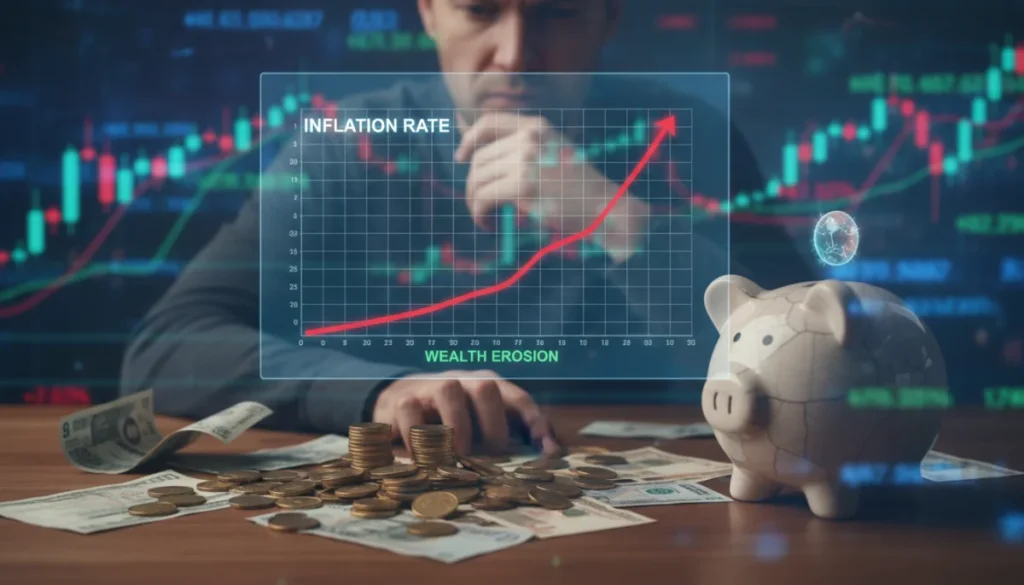
Protecting your 2026 savings from inflation is crucial, requiring strategic financial planning to preserve purchasing power amidst economic shifts.
Understanding inflation savings strategies is more critical than ever as we approach 2026. This article will guide you through the complexities of inflation and equip you with actionable strategies to safeguard your financial future.
Understanding inflation and its silent erosion of wealth
Inflation, often described as the silent thief of purchasing power, is a fundamental economic concept that impacts everyone, regardless of their income level. It refers to the rate at which the general level of prices for goods and services is rising, and consequently, the purchasing power of currency is falling. While a moderate level of inflation is often seen as a sign of a healthy, growing economy, unchecked or high inflation can significantly erode the value of your savings over time, making your money worth less in the future than it is today.
The consumer price index (CPI) is a key metric used to measure inflation, tracking the average change over time in the prices paid by urban consumers for a market basket of consumer goods and services. When the CPI rises, it indicates that inflation is increasing, meaning your dollar buys less than it did before. For those planning their financial future, especially towards a specific year like 2026, understanding this erosion is the first step in building a resilient financial plan.
The mechanics of purchasing power loss
- Reduced buying capacity: As prices rise, each dollar you save will buy fewer goods and services in the future.
- Impact on fixed income: Retirees or those on fixed incomes are particularly vulnerable, as their income doesn’t adjust to rising costs.
- Investment returns diminished: If your investment returns don’t outpace inflation, your real return (after inflation) could be negative.
The cumulative effect of inflation can be substantial. Even a seemingly modest inflation rate of 3% annually can halve the purchasing power of your money in about 23 years. For your 2026 savings goals, this means carefully considering how current and projected inflation rates will affect your ability to meet those objectives. Ignoring inflation is akin to planning a trip without accounting for fuel costs; you’re likely to fall short of your destination.
In essence, inflation doesn’t just affect the price of goods; it fundamentally alters the value of your money. Recognizing this impact early allows for proactive measures to protect your financial future and ensure your savings retain their intended value when you need them most.
Assessing the current economic landscape towards 2026
The economic environment is constantly shifting, and understanding the current trends and projections is crucial for effective financial planning, especially when looking ahead to 2026. Factors like global supply chain dynamics, geopolitical events, monetary policies, and consumer demand all play significant roles in shaping inflationary pressures. Analyzing these elements helps in anticipating potential challenges and opportunities for your savings.
Central banks, like the Federal Reserve in the United States, closely monitor inflation and adjust interest rates accordingly. Higher interest rates are typically used to cool down an overheating economy and curb inflation, while lower rates aim to stimulate growth. These policy decisions have a direct impact on savings accounts, bond yields, and borrowing costs, influencing your investment strategies.
Key economic indicators to watch
- Federal Reserve interest rates: These directly affect savings account yields and loan rates.
- Global commodity prices: Fluctuations in oil, gas, and food prices can signal broader inflationary trends.
- Employment figures: Low unemployment often leads to higher wages, which can contribute to inflation.
- Consumer spending data: Strong consumer demand can push prices higher if supply cannot keep pace.
Beyond macroeconomic indicators, it’s also important to consider sector-specific trends. For instance, the housing market, healthcare costs, and education expenses often experience inflation rates that differ from the overall CPI. If your 2026 savings goals are tied to specific expenditures, it’s wise to research the projected inflation rates within those particular sectors.
Economists use various models to forecast inflation, but these are not foolproof. Unexpected events, such as natural disasters or sudden shifts in international trade, can quickly alter projections. Therefore, staying informed through reputable financial news sources and consulting with financial advisors can provide a more nuanced understanding of the evolving economic landscape as you plan for 2026.
By keeping a vigilant eye on these economic signals, you can better anticipate the inflationary environment and adjust your inflation savings strategies accordingly, ensuring your financial plans remain robust and adaptable.
Diversifying your portfolio: a shield against inflation
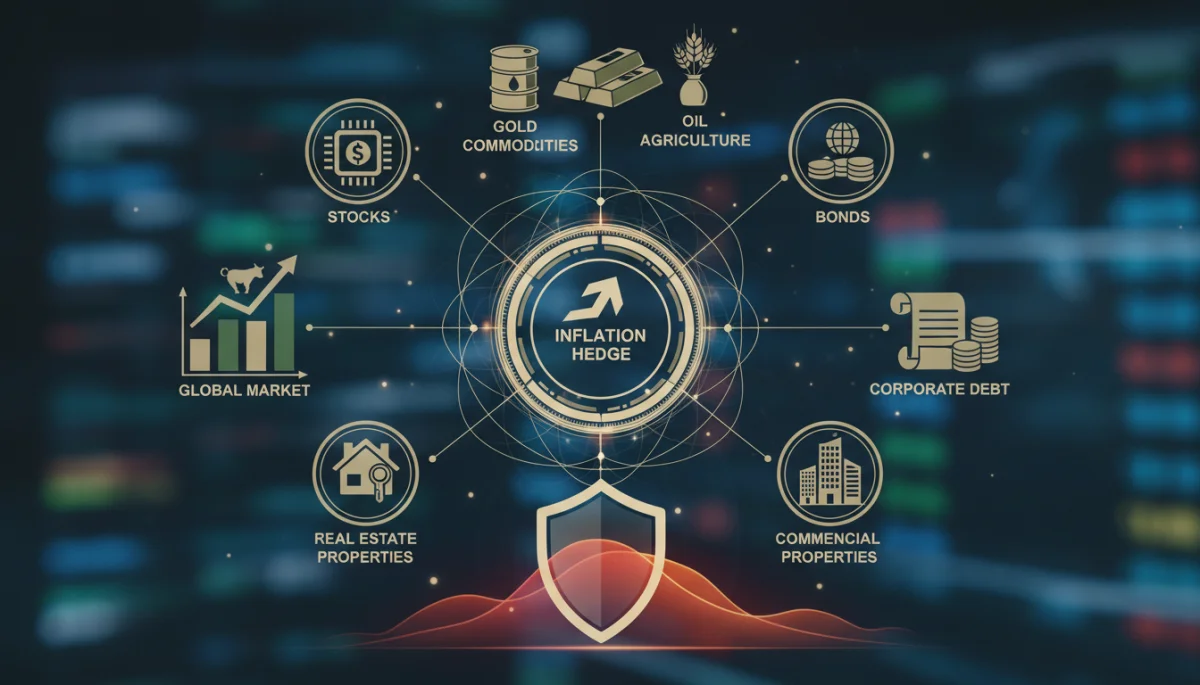
One of the most effective strategies to combat the impact of inflation on your savings is through strategic diversification of your investment portfolio. Diversification involves spreading your investments across various asset classes, industries, and geographic regions to minimize risk and maximize returns. When inflation is a concern, certain assets tend to perform better than others, acting as a hedge against rising prices.
Traditional savings accounts, while safe, often offer interest rates that barely keep pace with, or even fall below, the rate of inflation. This means that your money is slowly losing its purchasing power. To truly protect your wealth, you need to consider investments that have the potential to grow at a rate higher than inflation, generating a positive real return.
Inflation-hedging asset classes
- Real estate: Property values and rental income often increase with inflation.
- Commodities: Gold, silver, and other raw materials tend to perform well during inflationary periods.
- Treasury inflation-protected securities (TIPS): These government bonds are indexed to inflation, protecting your principal.
- Stocks (select sectors): Companies that can pass on higher costs to consumers (e.g., consumer staples, utilities) may fare better.
It’s important to remember that diversification is not a guarantee against loss, but it is a powerful tool to manage risk. A well-diversified portfolio means that if one asset class underperforms due to inflation, others might compensate, balancing out the overall return. Regularly reviewing and rebalancing your portfolio to ensure it aligns with your risk tolerance and financial goals is also a crucial aspect of this strategy.
Consulting with a financial advisor can help you tailor a diversified portfolio that is specifically designed to address your 2026 savings objectives while mitigating the risks associated with inflation. Their expertise can provide valuable insights into market trends and suitable investment vehicles for your unique situation.
Ultimately, a diversified portfolio is a dynamic tool that, when managed thoughtfully, can serve as a robust shield against the erosive effects of inflation, preserving and potentially growing your purchasing power.
Investing in growth assets and income-generating opportunities
Beyond traditional diversification, actively seeking out growth assets and income-generating opportunities can further bolster your inflation savings strategies. While some assets provide a direct hedge against inflation, others offer the potential for significant capital appreciation or consistent income streams that can outpace rising costs. This proactive approach helps your money work harder for you.
Growth assets typically include stocks of companies with strong earnings potential, particularly those in innovative or expanding sectors. These companies, often characterized by their ability to adapt and thrive in various economic conditions, can generate returns that significantly exceed inflation over the long term. However, they also come with higher volatility, so understanding your risk tolerance is key.
Strategic investment avenues
- Dividend stocks: Companies that regularly pay dividends can provide a steady income stream that may increase over time.
- Real estate investment trusts (REITs): These allow you to invest in real estate without directly owning property, offering both income and growth potential.
- Emerging markets: While higher risk, some emerging markets may offer higher growth rates and less correlation with developed markets.
- Private equity/debt: For accredited investors, these can offer unique opportunities and potentially higher returns, albeit with less liquidity.
Income-generating opportunities are equally important. Beyond dividend stocks and REITs, consider strategies like investing in high-yield corporate bonds (with careful risk assessment), or even exploring peer-to-peer lending platforms if they align with your investment profile. The goal is to create multiple streams of income that can keep pace with or exceed inflation, ensuring your overall financial health.
It’s crucial to conduct thorough due diligence before investing in any growth or income-generating asset. Understand the underlying business, its financial health, and its market position. The investment landscape is vast, and opportunities abound, but so do risks. Aligning these investments with your specific 2026 financial goals and timeline is paramount.
By strategically integrating growth assets and income-generating investments into your portfolio, you can create a more dynamic and resilient savings plan, actively working to counteract the effects of inflation and enhance your purchasing power.
Adjusting your spending habits and budgeting for inflation
While investment strategies are crucial, managing your day-to-day finances and adjusting spending habits are equally vital components of effective inflation savings strategies. Inflation directly impacts the cost of living, meaning your current budget might become outdated as prices rise. A proactive approach to budgeting can help you identify areas where you can optimize spending and free up more funds for saving and investing.
Start by reviewing your current expenses meticulously. Categorize your spending into essential and non-essential items. As inflation pushes up the cost of necessities like groceries, fuel, and utilities, you may find that your discretionary income shrinks. Identifying these shifts early allows you to make informed decisions about where to cut back or reallocate funds.
Practical budgeting adjustments
- Track expenses diligently: Use budgeting apps or spreadsheets to monitor every dollar.
- Prioritize essential spending: Ensure critical needs are met before allocating funds to non-essentials.
- Seek alternatives: Look for cheaper brands, bulk purchasing, or DIY options for common goods and services.
- Negotiate recurring bills: Regularly review and negotiate rates for insurance, internet, and other services.
Consider the ‘inflation-proof’ aspects of your lifestyle. Can you reduce your commute to save on fuel? Are there opportunities to cook more at home instead of eating out? Small, consistent changes in spending habits can accumulate into significant savings over time, providing a buffer against rising prices. This also includes being mindful of ‘shrinkflation,’ where products reduce in size but maintain their price, effectively increasing unit cost.
Building an emergency fund is also more important than ever during inflationary periods. Having readily accessible cash can prevent you from dipping into long-term investments during market downturns or when unexpected expenses arise. Aim for at least three to six months’ worth of living expenses in a high-yield savings account, if possible, to mitigate the impact of inflation on this crucial safety net.
By consciously adapting your spending and budgeting, you not only protect your current financial standing but also empower your savings to grow more effectively against the backdrop of inflation.
Leveraging technology and professional advice for financial resilience
In today’s complex financial world, leveraging technology and seeking professional advice are indispensable components of robust inflation savings strategies. Digital tools and expert guidance can provide clarity, efficiency, and personalized insights that are difficult to achieve through manual processes alone. These resources become even more valuable when navigating the intricacies of inflation and its impact on your 2026 savings goals.
Financial technology (fintech) offers a wide array of solutions, from budgeting apps that automate expense tracking to investment platforms that allow for diversified portfolio management. Robo-advisors, for instance, can provide automated, algorithm-driven financial planning services at a lower cost than traditional human advisors, making sophisticated investment strategies more accessible to a broader audience.
Technological aids and expert guidance
- Automated budgeting apps: Simplifies expense tracking and helps identify areas for savings.
- Investment platforms/robo-advisors: Facilitates diversified investing and portfolio rebalancing.
- Financial news aggregators: Keeps you informed on economic trends and policy changes.
- Financial advisors: Offers personalized strategies, risk assessment, and long-term planning.
While technology provides powerful tools, the human element of professional financial advice cannot be overstated. A certified financial planner (CFP) can help you assess your unique financial situation, understand your risk tolerance, and develop a comprehensive plan tailored to your 2026 objectives. They can offer insights into tax-efficient investment strategies, estate planning, and retirement planning, all of which are influenced by inflation.
When choosing a financial advisor, look for someone with relevant experience, proper certifications, and a fiduciary duty, meaning they are legally obligated to act in your best interest. Discuss their fee structure upfront to ensure transparency. Even if you prefer a DIY approach, a periodic consultation with a professional can provide valuable second opinions and help you stay on track.
By combining the power of modern financial technology with the wisdom of professional expertise, you can build a more resilient financial plan, better equipped to withstand the challenges of inflation and secure your purchasing power for 2026 and beyond.
| Key Strategy | Brief Description |
|---|---|
| Diversify Investments | Spread funds across asset classes like real estate, commodities, and TIPS to hedge against inflation. |
| Focus on Growth Assets | Invest in stocks, REITs, and other opportunities with potential to outpace inflation. |
| Adjust Budgeting | Review expenses, prioritize needs, and seek cost-saving alternatives to free up savings. |
| Leverage Technology & Advice | Utilize fintech tools and consult financial advisors for tailored, efficient planning. |
Frequently asked questions about inflation and savings
Inflation is the rate at which prices for goods and services increase, causing your money’s purchasing power to decrease over time. For savings, it means your money buys less in the future than it does today, eroding the real value of your accumulated wealth.
While traditional savings accounts offer security, their interest rates often do not keep pace with inflation. This means that despite the nominal value remaining constant or slightly increasing, the real purchasing power of your money in these accounts may decline.
Effective inflation hedges include real estate, commodities (like gold), Treasury Inflation-Protected Securities (TIPS), and certain dividend-paying stocks. These assets tend to perform well when inflation is rising, helping to preserve your purchasing power.
Budgeting helps by allowing you to track expenses, identify areas for cost reduction, and reallocate funds to savings or investments that can grow faster than inflation. It ensures you maintain financial control amidst rising costs.
It’s advisable to seek professional financial advice when you need personalized strategies tailored to your specific financial goals and risk tolerance. A financial advisor can help you navigate complex investment decisions and build a robust plan against inflation.
Conclusion
The journey to protect your 2026 savings from the impact of inflation requires a multi-faceted and proactive approach. By understanding inflation’s mechanisms, assessing the economic landscape, diversifying investments, adjusting spending habits, and leveraging both technology and expert advice, you can build a resilient financial strategy. Safeguarding your purchasing power is not merely about accumulating more money, but about ensuring that your hard-earned savings retain their value and ability to meet your future aspirations.