Secured vs. Unsecured Credit Cards: 500-600 Score Guide 2026
For individuals with a 500-600 credit score in 2026, understanding the differences between secured and unsecured credit cards is crucial for effective credit building, with secured cards often providing a more accessible entry point to establishing a positive credit history.
By: Rafaela on September 23, 2026
For individuals with a 500-600 credit score in 2026, understanding the differences between secured and unsecured credit cards is crucial for effective credit building, with secured cards often providing a more accessible entry point to establishing a positive credit history.
Navigating the world of credit can be challenging, especially when your credit score falls into the 500-600 range. When faced with the choice between a secured vs unsecured credit card, it’s essential to understand which option best serves your goal of improving your financial standing by 2026. This comprehensive guide will break down the nuances, helping you make an informed decision to build a stronger credit future.
Understanding Your Credit Score: 500-600 Range Explained
Before diving into credit card types, it’s important to grasp what a 500-600 credit score signifies. This range is generally considered ‘fair’ to ‘poor’ by lenders, indicating a higher risk. While not ideal, it’s a starting point that many Americans share, and it certainly doesn’t mean you’re locked out of building better credit.
A credit score in this bracket suggests that you may have had some past financial missteps, such as late payments, high credit utilization, or even a bankruptcy. However, it also means there’s significant room for improvement. Lenders will view you with caution, but options are available to help you move towards a healthier financial profile.
What Your Score Means for Lenders
Lenders use your credit score to assess the likelihood of you repaying borrowed money. A lower score translates to higher perceived risk. This often results in:
Higher interest rates on loans and credit cards.
Lower credit limits.
More stringent approval criteria.
Fewer choices in financial products.
Understanding these implications is the first step toward strategic credit building. Your current score isn’t a life sentence; it’s a snapshot, and with the right tools, you can improve it significantly.
In summary, a 500-600 credit score presents challenges but also opportunities. It’s a clear signal that focusing on responsible financial habits and choosing the right credit-building tools, like specific credit cards, is paramount to achieving a higher score and better financial opportunities in the coming years.
Secured Credit Cards: A Foundation for Credit Building
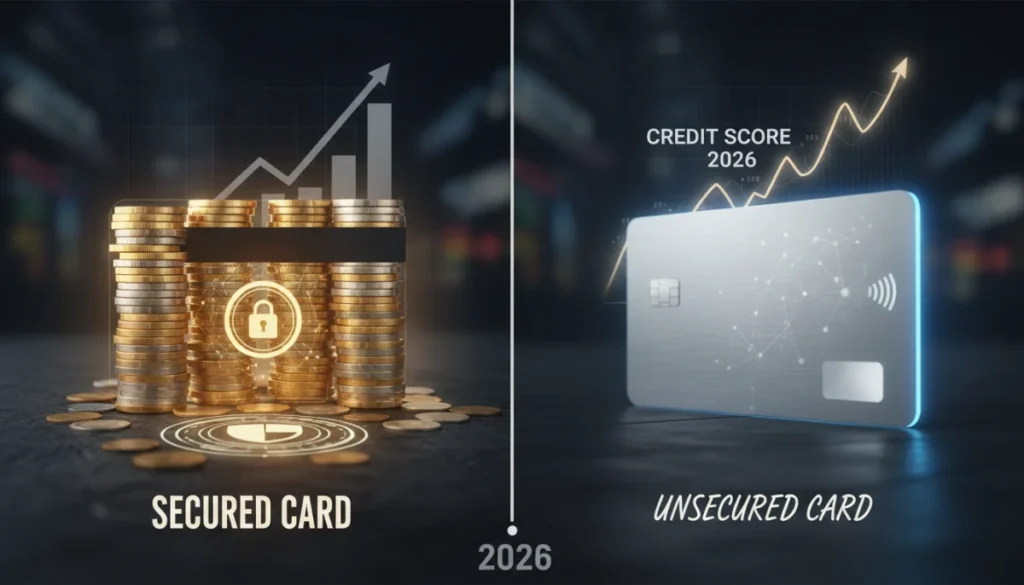
Secured credit cards are often the go-to option for individuals with lower credit scores, typically in the 500-600 range. Unlike traditional credit cards, a secured card requires a cash deposit, which typically becomes your credit limit. This deposit acts as collateral, significantly reducing the risk for the issuer and making it easier for those with less-than-perfect credit to get approved.
The beauty of a secured card lies in its ability to report your payment activity to the major credit bureaus. Every on-time payment you make helps establish a positive payment history, which is a critical component of your credit score. Over time, consistent responsible use can pave the way for an unsecured card and improved financial standing.
How Secured Cards Work
When you apply for a secured credit card, you’ll be asked to provide a security deposit, usually ranging from $200 to $2,500. This deposit is held by the issuer and is typically refundable once you close the account in good standing or upgrade to an unsecured card. Your credit limit will generally be equal to the amount of your deposit.
You use the secured card just like any other credit card, making purchases and then paying your bill monthly. The key is to keep your credit utilization low (ideally below 30% of your limit) and always pay your balance on time, or even in full. This disciplined approach is what builds your credit history.
Security Deposit: Required upfront, typically equals your credit limit.
Credit Reporting: Activity reported to major credit bureaus.
Credit Limit: Usually matches your deposit amount.
Responsible Use: Essential for building positive credit history.
Secured cards are an excellent stepping stone. They offer a controlled environment to demonstrate creditworthiness without the high risk associated with unsecured options for those with challenging credit profiles. Many people with credit scores in the 500-600 range find secured cards to be their most viable option for starting their credit repair journey.
Unsecured Credit Cards: The Traditional Path and Its Challenges for Lower Scores
Unsecured credit cards are what most people think of when they hear ‘credit card.’ They don’t require an upfront cash deposit, and your credit limit is based solely on your creditworthiness, income, and debt-to-income ratio. For individuals with a 500-600 credit score, obtaining a traditional unsecured credit card can be significantly more challenging than securing a secured card.
Lenders view applicants in this score range as higher risk, meaning they are less likely to extend credit without collateral. If approved for an unsecured card with a low score, you can expect higher interest rates, lower credit limits, and potentially annual fees. The primary benefit, of course, is that no deposit is required, freeing up your cash.
Types of Unsecured Cards for Fair/Poor Credit
While approval is tougher, there are specific unsecured cards designed for individuals with fair or poor credit. These often come with particular features:
Subprime Cards: These cards cater to individuals with lower scores but often come with high annual fees, high interest rates, and low credit limits.
Store Credit Cards: Easier to qualify for than general-purpose cards, but they can only be used at specific retailers and may still carry high interest rates.
Credit Builder Cards (Unsecured): Some specialized cards exist that offer unsecured options for credit building, but they usually have stricter income requirements or require a checking account with the same institution.
The main challenge with unsecured cards for those with a 500-600 score is the approval hurdle and the potentially predatory terms. It’s crucial to read the fine print and understand all fees and interest rates before committing. While the allure of no deposit is strong, a secured card often provides a more stable and less costly path to credit improvement in the initial stages.
In essence, while unsecured cards offer convenience, their accessibility and terms for individuals with lower credit scores can be restrictive. For many, building credit with a secured card first and then transitioning to an unsecured option is a more practical and financially sound strategy.
Which Option Offers Better Credit Building for a 500-600 Score in 2026?
When comparing secured vs unsecured credit cards for building credit with a 500-600 score in 2026, secured cards generally offer a more reliable and straightforward path. Their primary advantage lies in their accessibility. Because a security deposit mitigates risk for the issuer, approval rates are significantly higher for applicants with challenging credit histories.
The consistent reporting of on-time payments to credit bureaus is identical for both card types, meaning a secured card is just as effective at building positive payment history as an unsecured one. The key difference is the ease of entry and the lower financial risk involved for the cardholder, as the deposit acts as a safety net against accumulating unmanageable debt.
Advantages of Secured Cards for Credit Building
For someone aiming to improve a 500-600 credit score, secured cards provide a structured environment:
Higher Approval Odds: The security deposit makes approval much more likely.
Lower Risk of Debt: The credit limit is tied to your deposit, preventing overspending.
Educational Tool: Teaches responsible credit habits without immediate high financial penalties.
Path to Unsecured: Many secured cards offer a path to upgrade to an unsecured card after responsible use.
While an unsecured card might seem more appealing due to the lack of a deposit, the terms for someone with a 500-600 score can be predatory, with high fees and interest rates that make credit building more expensive and difficult. A secured card allows you to demonstrate financial responsibility over 6-12 months, which can then open doors to better unsecured offers.
Therefore, for the majority of individuals in the 500-600 credit score range in 2026, a secured credit card is the superior choice for effectively building and improving their credit profile. It’s a strategic move to establish a strong foundation before seeking higher-tier credit products.
Strategies for Maximizing Credit Building with Either Card Type
Regardless of whether you choose a secured or an unsecured card, specific strategies are crucial for maximizing your credit building efforts, especially with a 500-600 credit score. Simply having a card isn’t enough; consistent, responsible use is the cornerstone of credit improvement.
The goal is to demonstrate to lenders that you can manage credit responsibly. This involves more than just paying your bills; it encompasses understanding your credit report, managing utilization, and planning for the long term. These habits will serve you well beyond just improving your score in the short term, setting a precedent for future financial health.
Key Credit Building Strategies
To make the most of your credit card, focus on these actionable steps:
Pay on Time, Every Time: Payment history is the most significant factor in your credit score. Set up automatic payments or reminders to ensure you never miss a due date.
Keep Credit Utilization Low: Aim to use no more than 30% of your available credit limit. For example, if your limit is $300, try to keep your balance below $90. Lower utilization signals less risk to lenders.
Monitor Your Credit Report: Regularly check your credit report from all three major bureaus (Experian, Equifax, TransUnion) for errors. You can get a free report annually. Dispute any inaccuracies promptly.
Avoid Opening Too Many Accounts: While building credit, focus on one or two cards and manage them well. Opening multiple new accounts in a short period can negatively impact your score.
Be Patient: Credit building is a marathon, not a sprint. It takes time to see significant improvements. Consistent positive behavior over several months will yield the best results.
By diligently following these strategies, you can effectively leverage either a secured or an unsecured credit card to elevate your credit score from the 500-600 range. The discipline you establish now will be invaluable as you progress towards a healthier financial future in 2026 and beyond.
Transitioning from Secured to Unsecured Credit in 2026
The ultimate goal for many secured credit card users is to eventually transition to an unsecured card, or to have their secured card graduate to an unsecured one. This transition signifies a significant milestone in your credit building journey, demonstrating to lenders that you have established a pattern of responsible financial behavior. By 2026, with consistent effort, you can aim to make this leap.
Many secured card issuers offer a path to upgrade. After a period of on-time payments, typically 6 to 12 months, and maintaining low credit utilization, the issuer may review your account. If your financial behavior has been exemplary, they might convert your secured card into an unsecured one and return your security deposit. This is a clear indicator of improved creditworthiness.
Steps to Facilitate the Transition
To increase your chances of transitioning successfully:
First, maintain an impeccable payment history. This is non-negotiable. Missing payments will only hinder your progress. Second, keep your credit utilization consistently low. This shows you can manage your credit responsibly without relying too heavily on borrowed funds. Third, monitor your credit score regularly. As your score improves, you’ll be better positioned to apply for unsecured cards or qualify for a product upgrade.
Consistent On-Time Payments: Crucial for demonstrating reliability.
Low Credit Utilization: Aim for under 30% to show responsible credit management.
Regular Credit Score Monitoring: Track progress and identify opportunities.
Inquire with Issuer: Ask your secured card issuer about their graduation policies.
Even if your current secured card doesn’t offer a direct upgrade path, an improved credit score will open doors to applying for new, unsecured credit cards with better terms and higher limits. This strategic progression is key to moving beyond the 500-600 credit score range and achieving greater financial flexibility by 2026.
Choosing the Right Card: Factors to Consider for Your Score Range
Selecting the right credit card, whether secured or unsecured, is a critical decision when your credit score is in the 500-600 range. It’s not just about getting approved; it’s about choosing a card that supports your credit-building goals without imposing excessive costs or restrictive terms. Careful consideration of various factors will help you make an informed choice that sets you up for success by 2026.
The market for credit cards designed for individuals with fair or poor credit has grown, offering more options than ever before. However, not all cards are created equal. It’s essential to look beyond initial approval and evaluate the long-term benefits and potential drawbacks of each product. Your decision today will significantly impact your credit trajectory.
Key Considerations for Card Selection
When evaluating potential credit cards, keep these factors in mind:
Annual Fees: Some cards, especially subprime unsecured ones, charge high annual fees. Look for cards with low or no annual fees to maximize your credit-building investment.
Interest Rates (APR): While you should aim to pay your balance in full each month, a high APR can be detrimental if you carry a balance. Compare rates and understand the potential cost of borrowing.
Credit Reporting: Ensure the card issuer reports to all three major credit bureaus (Experian, Equifax, TransUnion). This is fundamental for credit building.
Security Deposit (for Secured Cards): Understand the required deposit amount and ensure it’s within your budget. Also, inquire about the refund policy.
Path to Unsecured (for Secured Cards): If considering a secured card, check if the issuer offers a clear path to upgrade to an unsecured card after responsible use.
Credit Limit: For secured cards, this is usually your deposit. For unsecured cards, be aware that initial limits for lower scores are often low.
Additional Fees: Be aware of potential fees for late payments, foreign transactions, or exceeding your credit limit.
By meticulously evaluating these aspects, you can choose a credit card that aligns with your financial situation and effectively supports your journey to a healthier credit score by 2026. Prioritizing transparency and favorable terms over immediate approval is a wise strategy for long-term credit health.
Key Aspect
Description for 500-600 Score
Secured Card Access
Generally easier to obtain due to security deposit, making it ideal for credit building.
Unsecured Card Access
More challenging to get approved, often with higher fees and interest rates for lower scores.
Credit Building Effectiveness
Both report to bureaus; secured cards offer a safer, more controlled environment for initial improvement.
Key Strategy
Pay on time and keep utilization low for any card type to maximize credit score growth.
Frequently Asked Questions About Credit Cards and Lower Scores
Can I get an unsecured credit card with a 500 credit score in 2026?▼
While possible, it’s generally difficult. Lenders view a 500 score as high-risk. If approved, expect high interest rates, annual fees, and low credit limits. A secured card is often a more accessible and cost-effective starting point for credit building.
How quickly can a secured card improve my 500-600 credit score?▼
With consistent, responsible use (on-time payments, low utilization), you can see improvements in as little as 6 to 12 months. Credit building is a gradual process, but a secured card provides a solid foundation for steady growth.
What happens to my security deposit when I close a secured card?▼
If you close your secured card account in good standing (no outstanding balance), your security deposit is typically refunded to you. Some issuers may also return it if your card graduates to an unsecured product.
Are there any unsecured cards specifically for credit building with bad credit?▼
Yes, some specialized unsecured cards target individuals with fair or poor credit. However, they often come with higher fees, interest rates, and lower credit limits compared to cards for excellent credit. Always compare terms carefully.
Should I aim to pay my secured credit card balance in full every month?▼
Absolutely. Paying your balance in full each month avoids interest charges and demonstrates excellent financial responsibility, which is crucial for rapid credit score improvement. It also keeps your credit utilization at 0%, a very positive signal to bureaus.
Conclusion
For individuals navigating the financial landscape with a 500-600 credit score in 2026, the choice between a secured and unsecured credit card is a pivotal one. While unsecured options might seem appealing due to the lack of an upfront deposit, secured credit cards generally offer a more accessible, less risky, and ultimately more effective pathway to establish and improve credit. By diligently making on-time payments, maintaining low credit utilization, and regularly monitoring your credit report, you can strategically leverage a secured card as a powerful tool to transition to better financial products and a significantly higher credit score in the years to come. Your credit journey is a marathon, and choosing the right starting line is crucial for a successful finish.