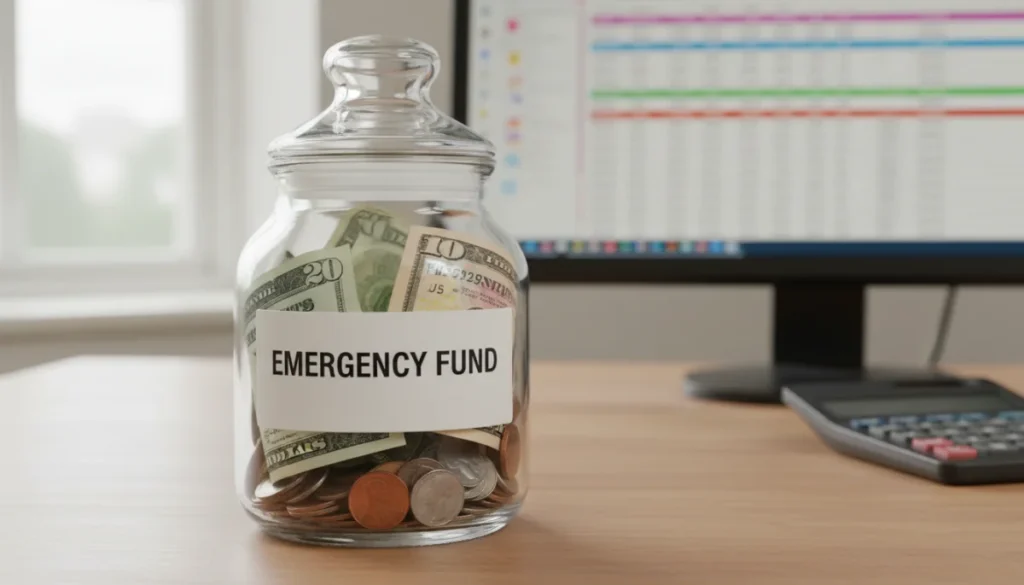
Building an emergency fund is crucial for financial stability. This guide provides actionable strategies for Americans to save 3-6 months of living expenses by mid-2026, ensuring peace of mind and resilience against unexpected financial shocks.
By: Rafaela on September 23, 2026
Building an emergency fund to cover 3-6 months of living expenses by mid-2026 is a critical financial goal for US households, providing a vital safety net against unforeseen economic disruptions.
In today’s unpredictable economic landscape, securing your financial future is more important than ever. For many Americans, the goal of building an emergency fund that covers 3-6 months of living expenses by mid-2026 might seem daunting, but it is an achievable and essential step towards true financial peace of mind. This comprehensive guide from StyleCreditPro will walk you through practical strategies, actionable steps, and expert insights to help you reach this vital milestone.
Understanding the Importance of an Emergency Fund
An emergency fund acts as your personal financial safety net, a buffer against life’s unexpected twists and turns. It’s not just about saving money; it’s about safeguarding your stability, reducing stress, and preventing debt when unforeseen events occur.
Many people underestimate the profound impact a dedicated emergency fund can have on their overall financial health. Without one, a sudden job loss, a major car repair, or an unexpected medical bill can quickly spiral into significant debt, undermining years of careful financial planning.
Why 3-6 Months of Living Expenses?
The recommendation to save 3-6 months of living expenses isn’t arbitrary; it’s a carefully considered guideline based on typical recovery times from financial setbacks. This range provides sufficient time to find new employment, manage unexpected costs, or navigate a temporary income disruption without resorting to high-interest loans or credit card debt.
Job Loss: Finding a new job can take several months, depending on your industry and location.
Medical Emergencies: Health issues can incur significant out-of-pocket costs, even with insurance.
Major Repairs: Home or vehicle repairs can be sudden and expensive, requiring immediate funds.
Income Fluctuation: For freelancers or commission-based workers, an emergency fund smooths out uneven income periods.
Ultimately, the size of your emergency fund should reflect your personal circumstances, job security, health, and family obligations. Aiming for the higher end of the 6-month spectrum offers greater security, especially for those with dependents or less stable employment.
Assessing Your Current Financial Situation
Before you can effectively start saving, you need a clear picture of where your money is going. This involves a thorough review of your income, expenses, and existing financial commitments. Understanding your financial baseline is the bedrock of any successful savings plan.
Many individuals skip this critical step, leading to unrealistic savings goals or frustration when they can’t stick to their budget. Taking the time to accurately assess your finances will provide the clarity and motivation needed to make meaningful changes.
Calculating Your Monthly Living Expenses
Your living expenses include all the essential costs you incur each month to maintain your lifestyle. These are the non-negotiable items that keep a roof over your head, food on your table, and transportation available. Accurately identifying these expenses is crucial for setting your emergency fund target.
Housing: Rent or mortgage payments, property taxes, homeowner’s insurance.
Utilities: Electricity, gas, water, internet, and phone bills.
Food: Groceries and essential household supplies.
Transportation: Car payments, insurance, fuel, public transport costs.
Healthcare: Insurance premiums, prescription costs, regular medical appointments.
Minimum Debt Payments: Student loan, credit card, or other loan minimums (though ideally, you’d pay more).
Exclude discretionary spending like dining out, entertainment, and vacations when calculating your emergency fund target. The goal is to cover your absolute necessities during a crisis, not maintain your usual spending habits.
Reviewing Income and Debt
Beyond expenses, you need to understand your consistent income sources and any existing debt obligations. Your income determines how much you can realistically save, while debt can impact your financial flexibility and urgency to save.
Take stock of all your income streams, including your primary salary, any side hustles, or other regular payments. For debt, list out all outstanding balances, interest rates, and minimum payments. High-interest debt, like credit card balances, can be a major impediment to saving and should often be addressed in tandem with or prior to building a full emergency fund.
Crafting Your Personalized Savings Plan
With a clear understanding of your finances, the next step is to create a detailed, actionable plan for saving. This isn’t just about setting a goal; it’s about outlining the specific steps you’ll take to achieve it, making it manageable and motivating.
A well-structured plan transforms an abstract goal into a series of concrete tasks. It helps you stay accountable, track your progress, and adjust your strategy as needed. Remember, flexibility is key, but consistency is paramount.
Setting Realistic Goals and Milestones
Break down your overall emergency fund target into smaller, more achievable monthly or quarterly milestones. Instead of focusing solely on the large final sum, celebrate smaller victories along the way. This approach makes the journey less overwhelming and helps maintain momentum.
For example, if your goal is to save $12,000 by mid-2026 (approximately 30 months away from now, assuming end of 2023 start), that’s $400 per month. Breaking it down further, that’s $100 per week. These smaller targets feel much more attainable and provide regular opportunities for positive reinforcement.
Automating Your Savings
One of the most effective strategies for building an emergency fund is to automate your savings. Treat your emergency fund contribution like any other bill that needs to be paid each month. Set up an automatic transfer from your checking account to a dedicated savings account on payday.
This removes the temptation to spend the money and ensures consistent progress. Even small, regular contributions add up significantly over time. Automation makes saving effortless and consistent, turning it into a habit rather than a chore.
Strategies for Boosting Your Savings Rate
Sometimes, simply budgeting isn’t enough to reach your savings goals quickly. To accelerate your progress towards building an emergency fund, you may need to implement strategies that actively increase your income or significantly reduce your expenses. This proactive approach can make a substantial difference.
Think creatively about how you can find extra money within your current financial framework. Every dollar saved or earned brings you closer to your mid-2026 target.
Cutting Discretionary Spending
Review your budget for areas where you can comfortably cut back without significantly impacting your quality of life. Small, consistent cuts can free up a surprising amount of money over time. This is often the easiest place to start finding extra cash for your emergency fund.
Dining Out: Reduce restaurant meals and coffee shop visits; cook more at home.
Entertainment: Look for free or low-cost activities; review subscription services.
Shopping: Differentiate between needs and wants; delay non-essential purchases.
Transportation: Carpool, bike, or use public transport more often if feasible.
Even canceling one unused subscription service can add $10-$20 to your monthly savings, which accumulates over the months leading to mid-2026.
Increasing Your Income
If cutting expenses isn’t enough, consider ways to increase your income. This doesn’t necessarily mean getting a new job; it can involve leveraging your skills or time in other ways. Any extra income you generate can be directly channeled into your emergency fund, dramatically speeding up your progress.
Side Hustles: Offer freelance services, drive for a ride-sharing app, or sell crafts online.
Selling Unused Items: Declutter your home and sell items you no longer need on platforms like eBay or Facebook Marketplace.
Overtime: If available at your current job, consider picking up extra hours.
Negotiate a Raise: If you haven’t recently, evaluate your market value and ask for a salary increase.
Every additional dollar earned and saved is a step closer to your financial security goal. Be strategic and consistent with your efforts to boost your income.
Where to Keep Your Emergency Fund
The location of your emergency fund is almost as important as its existence. You need a place where your money is safe, easily accessible, and ideally, earning a little interest without being exposed to market volatility. The wrong account can hinder your progress or leave you vulnerable when you need the funds most.
The primary characteristics for your emergency fund account should be liquidity and safety. Avoid accounts that tie up your money for long periods or expose it to significant risk.
High-Yield Savings Accounts (HYSAs)
High-yield savings accounts are often the best choice for an emergency fund. They offer significantly higher interest rates than traditional savings accounts, meaning your money grows (albeit slowly) while remaining fully liquid. Most HYSAs are FDIC-insured, protecting your deposits up to $250,000 per depositor, per insured bank.
Look for online banks that typically offer the best rates, have no monthly fees, and allow for easy transfers to your checking account when needed. The slightly higher interest rate, while not a get-rich-quick scheme, ensures your money isn’t losing purchasing power due to inflation as rapidly as it would in a standard account.
Avoiding Risky Investments
While investing is crucial for long-term wealth building, your emergency fund should not be invested in volatile assets like stocks, bonds, or cryptocurrencies. The purpose of this fund is immediate access and capital preservation, not growth. Market fluctuations could diminish your fund’s value precisely when you need it most.
Keep your emergency fund separate from your investment portfolio. This clear distinction helps maintain the integrity and accessibility of your safety net, ensuring it’s there for you regardless of market performance.
Maintaining and Replenishing Your Fund
Building an emergency fund is a significant achievement, but it’s not a one-time task. Life happens, and you might need to tap into your fund. The final, crucial step is understanding how to maintain its balance and replenish it when necessary. This ensures your financial safety net remains strong for the long haul.
Consider your emergency fund a dynamic asset that requires ongoing attention, not a static account. Regular check-ups and a proactive approach to replenishment are key to sustained financial security.
When to Use Your Emergency Fund
It’s important to have a clear understanding of what constitutes a true emergency. Using your fund for non-emergencies can undermine your financial stability and leave you vulnerable when a real crisis strikes. Stick to your defined criteria for emergencies.
Job Loss: To cover living expenses while searching for new employment.
Unexpected Medical Bills: For costs not covered by insurance.
Major Home or Car Repairs: Essential repairs to maintain safety and functionality.
Unforeseen Travel: For urgent family matters or emergencies.
Avoid using your emergency fund for planned expenses, vacations, or discretionary purchases. These should be budgeted for separately. If you’re unsure, ask yourself: Is this expense truly unexpected, necessary, and unavoidable?
Strategies for Replenishment
If you do need to use a portion of your emergency fund, make replenishing it your top financial priority. Treat it with the same urgency as you did when initially building it. The goal is to restore your financial safety net as quickly as possible.
Temporary Budget Cuts: Implement stricter budget cuts until the fund is restored.
Temporary Income Boost: Take on extra work or a side hustle to generate additional funds.
Direct Transfers: Continue or increase your automated savings transfers until the fund reaches its target level again.
The sooner you replenish your fund, the sooner you’ll regain that sense of security and be prepared for future unexpected events. Consistency and discipline are your greatest allies in this ongoing process.
Key Aspect
Brief Description
Target Goal
Save 3-6 months of living expenses by mid-2026.
Assessment
Calculate monthly essential expenses and review income/debt.
High-yield savings account for safety and accessibility.
Frequently Asked Questions About Emergency Funds
What is the ideal amount for an emergency fund?▼
The ideal amount for an emergency fund typically ranges from 3 to 6 months of your essential living expenses. Factors like job stability, health, and dependents can influence whether you aim for the lower or higher end of this spectrum, providing a robust financial safety net.
Where should I keep my emergency fund?▼
Your emergency fund should be kept in a safe, liquid, and easily accessible account, such as a high-yield savings account (HYSA). HYSAs offer better interest rates than traditional savings accounts while ensuring your money is protected by FDIC insurance and available when needed.
Can I invest my emergency fund for higher returns?▼
No, it is generally not recommended to invest your emergency fund in volatile assets like stocks or mutual funds. The primary purpose of this fund is capital preservation and immediate accessibility, not growth. Market fluctuations could reduce its value precisely when you need it most for an unforeseen crisis.
How can I quickly build my emergency fund?▼
To build your emergency fund quickly, focus on automating savings transfers, aggressively cutting discretionary spending, and exploring ways to increase your income, such as taking on a side hustle or selling unused items. Every extra dollar saved or earned accelerates your progress.
What qualifies as a true emergency for using the fund?▼
A true emergency is an unexpected, necessary, and unavoidable expense that significantly impacts your financial stability. Examples include job loss, unexpected medical bills, or major home/car repairs. It should not be used for planned expenses, vacations, or discretionary purchases.
Conclusion
Achieving the goal of building an emergency fund covering 3-6 months of living expenses by mid-2026 is a cornerstone of robust personal finance. This journey requires commitment, discipline, and a clear strategy, but the financial security and peace of mind it provides are invaluable. By diligently assessing your finances, setting realistic goals, automating your savings, and strategically boosting your income, you can confidently navigate life’s uncertainties. Remember that consistency in saving and prudent management of your funds are the keys to maintaining this vital safety net for years to come. Start today, and empower your financial future.