Secured vs. Unsecured Loans: 2026 Financial Goals
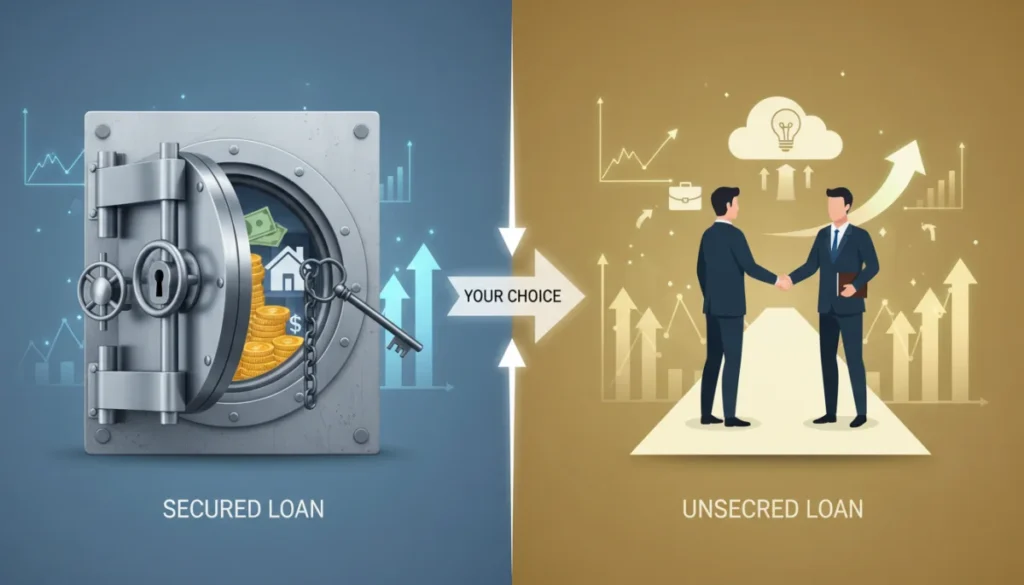
Choosing between secured and unsecured loans in 2026 requires understanding their collateral requirements, interest rates, and impact on credit to best meet your financial objectives.
Understanding the nuances of secured vs. unsecured loans is crucial as you plan for your 2026 financial goals. This decision can significantly impact your borrowing power, interest rates, and overall financial health. Let’s explore which option aligns best with your needs.
Understanding Secured Loans: Collateral and Commitment
Secured loans are fundamentally defined by the requirement of collateral. This asset, which could be a car, home, or savings account, serves as security for the lender. Should you default on the loan, the lender has the legal right to seize the collateral to recover their losses.
This arrangement typically results in more favorable terms for borrowers, including lower interest rates and higher borrowing limits, especially for those with less-than-perfect credit. The lender’s risk is mitigated by the collateral, making them more willing to extend credit.
Common Types of Secured Loans
- Mortgages: Perhaps the most well-known secured loan, where your home serves as collateral.
- Auto Loans: The vehicle you purchase acts as the collateral for the loan.
- Secured Personal Loans: These can be backed by savings accounts, certificates of deposit (CDs), or even investment portfolios.
- Home Equity Loans/Lines of Credit (HELOCs): Your home’s equity is used as collateral, allowing you to borrow against its value.
The appeal of secured loans often lies in their accessibility and potentially lower cost. For substantial financial undertakings, such as purchasing a home or a car, a secured loan is often the only viable option due to the large sums involved.
However, the significant risk associated with secured loans cannot be overstated. Losing a valuable asset like your home or car due to unforeseen financial difficulties can have severe long-term consequences. Borrowers must carefully assess their ability to repay before committing to a secured loan.
In conclusion, secured loans offer a pathway to significant financing, often with attractive rates, but they demand a serious commitment and an understanding of the potential loss of collateral if repayment obligations are not met.
Unpacking Unsecured Loans: Trust and Creditworthiness
In contrast to their secured counterparts, unsecured loans do not require any collateral. Lenders extend these loans based primarily on the borrower’s creditworthiness, income, and financial history. This makes them a higher risk for lenders, which is typically reflected in higher interest rates.
Despite the higher interest rates, unsecured loans offer a significant advantage: no asset is directly at stake. While defaulting will severely damage your credit score and could lead to collections or legal action, you won’t lose your home or car directly to the lender.
Popular Unsecured Loan Options
- Personal Loans: Often used for debt consolidation, home improvements, or unexpected expenses.
- Credit Cards: A revolving line of credit that is inherently unsecured.
- Student Loans: Generally unsecured, although some private student loans may require a co-signer or collateral.
- Lines of Credit: Similar to credit cards, offering flexible access to funds up to a certain limit.
The approval process for unsecured loans heavily relies on your credit score. A strong credit history demonstrates to lenders that you are a reliable borrower, making you eligible for better rates and terms. Conversely, a poor credit score can lead to rejection or significantly higher interest rates.
Unsecured loans are a flexible financial tool for many, providing access to funds without the need to pledge assets. They are particularly useful for smaller, short-term financial needs or when you prefer to avoid the risk of collateral loss. Understanding your credit profile is paramount when considering these options.
Ultimately, unsecured loans provide flexibility and less direct risk to personal assets, but they demand a robust credit history and often come with a higher cost of borrowing due to the increased risk assumed by the lender.
Interest Rates and Fees: The Cost of Borrowing
The cost of borrowing is a critical factor in deciding between secured and unsecured loans. This cost is primarily determined by interest rates and various fees. Generally, secured loans tend to have lower interest rates because the collateral reduces the lender’s risk.
Unsecured loans, lacking collateral, pose a greater risk to lenders. To compensate for this, they typically carry higher interest rates. This difference can be substantial, impacting your monthly payments and the total amount you repay over the life of the loan.
Factors Influencing Interest Rates
- Credit Score: A higher score usually translates to lower interest rates on both loan types.
- Loan Term: Shorter loan terms often have lower rates but higher monthly payments.
- Market Conditions: General economic conditions and the Federal Reserve’s policies can influence rates.
- Lender’s Risk Assessment: Each lender has its own criteria for evaluating risk and setting rates.
Beyond interest rates, various fees can add to the overall cost. These might include origination fees, application fees, late payment fees, and prepayment penalties. It is essential to read the loan agreement carefully and understand all associated costs before committing.
For secured loans, you might also encounter appraisal fees (for homes) or documentation fees (for vehicles). Unsecured loans might have fewer upfront fees, but the higher interest rates often outweigh this benefit in the long run.
A thorough comparison of annual percentage rates (APRs), which include both interest and fees, is vital. The APR provides a more accurate picture of the true cost of borrowing, allowing you to make an informed decision that minimizes your financial burden.
Impact on Your Credit Score: Building or Breaking
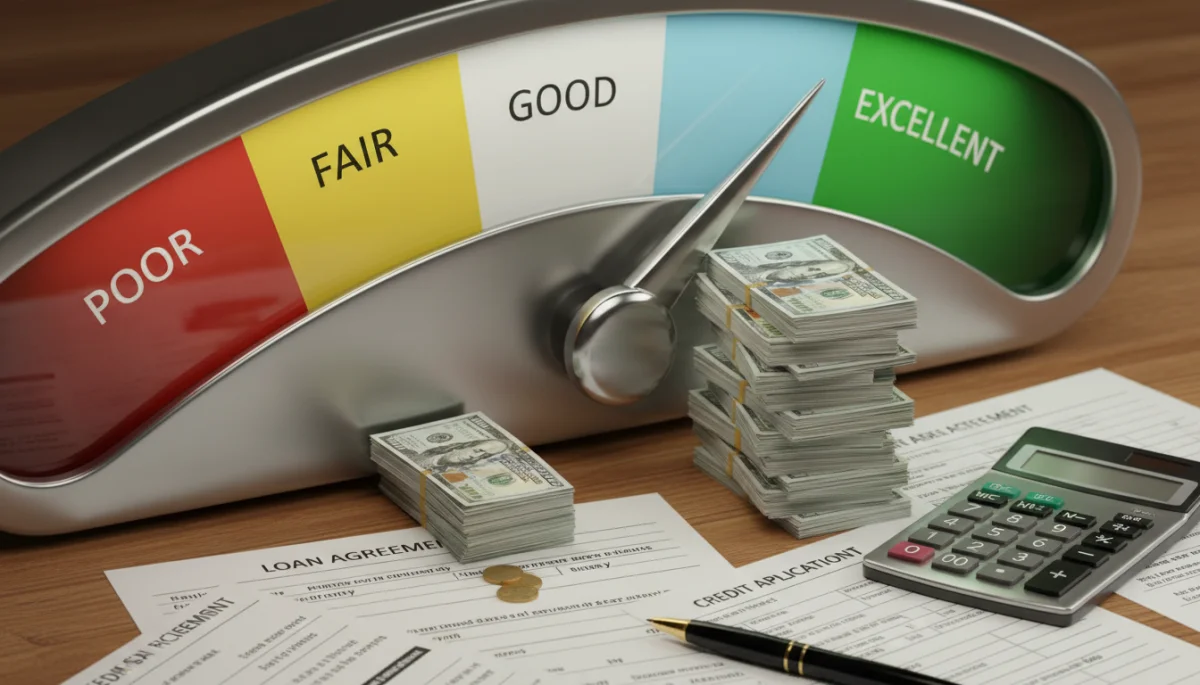
Both secured and unsecured loans can significantly impact your credit score, for better or worse. Responsible borrowing and timely payments can boost your score, while defaults or late payments can cause considerable damage. Understanding this dynamic is key to leveraging loans positively.
For secured loans, making consistent, on-time payments demonstrates financial reliability, contributing positively to your payment history, which is the most influential factor in your credit score. Successfully paying off a secured loan can also diversify your credit mix.
Credit Score Considerations
- Payment History: Both loan types require timely payments to maintain a good credit score.
- Credit Utilization: For unsecured credit, like credit cards, keeping balances low relative to your limit is crucial.
- Credit Mix: Having a variety of credit types (revolving and installment) can positively impact your score.
- New Credit: Applying for too many loans in a short period can temporarily lower your score.
Unsecured loans, particularly credit cards, play a significant role in your credit utilization ratio. Keeping your credit card balances low relative to your credit limits is essential for a healthy credit score. High utilization can signal financial distress to lenders.
For those with poor credit, a secured loan or a secured credit card can be an excellent tool for rebuilding credit. By consistently making payments, you demonstrate creditworthiness, which can open doors to better financial products in the future.
Ultimately, the impact on your credit score depends on your behavior as a borrower. Regardless of the loan type, diligent repayment is the most effective way to build and maintain a strong credit profile, which is invaluable for your long-term financial health.
Risk Assessment: Weighing the Downsides
Every financial decision involves a degree of risk, and loans are no exception. A thorough risk assessment is vital before committing to either a secured or unsecured loan. Understanding the potential downsides helps you make choices that protect your financial well-being.
The primary risk with secured loans is the potential loss of your collateral. If you face unexpected job loss, medical emergencies, or other financial setbacks, and cannot make payments, the lender can repossess your asset. This can lead to significant disruptions in your life, such as losing your home or car.
Risks Associated with Loans
- Collateral Loss: Unique to secured loans, this is a major concern.
- Credit Score Damage: Defaulting on any loan will negatively impact your credit score, making future borrowing difficult and expensive.
- Increased Debt: Taking on too much debt, regardless of type, can lead to a cycle of financial strain.
- High Interest Costs: Especially prevalent with unsecured loans, high interest can make repayment challenging.
Unsecured loans, while not risking specific assets, carry other forms of risk. High interest rates can lead to a spiraling debt if payments are not managed effectively. Defaulting can result in aggressive collection efforts, wage garnishment, and legal judgments, all of which are detrimental to your financial future.
Another often-overlooked risk is the temptation to over-borrow. The ease of access to unsecured credit, like credit cards, can lead to accumulating debt that becomes unmanageable. It is crucial to borrow only what you truly need and can realistically afford to repay.
In sum, while secured loans carry the distinct risk of collateral loss, unsecured loans present risks related to higher costs and potentially aggressive debt collection. Both types demand careful consideration of your repayment capacity and an understanding of the worst-case scenarios.
Choosing the Right Loan for Your 2026 Financial Goals
Deciding between a secured and unsecured loan for your 2026 financial goals boils down to a careful evaluation of your individual circumstances, risk tolerance, and the purpose of the loan. There isn’t a one-size-fits-all answer, but rather a strategic alignment with your financial objectives.
If your goal involves a large purchase like a home or a car, a secured loan is almost always the appropriate and most cost-effective path. The lower interest rates and higher borrowing limits make these substantial investments more attainable. However, you must be comfortable with pledging an asset.
Key Decision Factors
- Loan Purpose: What do you need the money for?
- Credit Profile: How strong is your credit score?
- Risk Tolerance: Are you comfortable with collateralizing an asset?
- Interest Rate Preference: Are you prioritizing lower rates over asset security?
- Repayment Capacity: Can you reliably make all payments on time?
For smaller, more flexible needs, such as consolidating high-interest credit card debt, covering an unexpected medical bill, or funding a small home improvement project, an unsecured personal loan might be more suitable. It offers quick access to funds without putting your assets at risk, provided you have good credit.
Consider your current financial stability and future outlook. Do you have a stable income? Are you anticipating any major life changes that could affect your ability to repay? These questions are crucial in determining your capacity to manage new debt responsibly.
Ultimately, the best choice for your 2026 financial goals involves balancing the benefits of each loan type with their inherent risks. A thoughtful approach, combined with a clear understanding of your financial health, will guide you toward the most advantageous borrowing decision.
| Feature | Description |
|---|---|
| Collateral Requirement | Secured loans require an asset as security; unsecured do not. |
| Interest Rates | Secured loans typically have lower rates; unsecured loans have higher rates due to increased risk. |
| Credit Impact | Both affect credit; timely payments improve it, defaults damage it. Secured loans can help rebuild credit. |
| Risk to Borrower | Secured loans risk loss of collateral; unsecured loans risk severe credit damage and collection actions. |
Frequently Asked Questions About Loans
The main difference lies in collateral. Secured loans require an asset (like a car or home) as security, reducing lender risk. Unsecured loans do not require collateral, relying solely on your creditworthiness, making them riskier for lenders.
Yes, it is often easier to get a secured loan with bad credit because the collateral mitigates the lender’s risk. Lenders are more willing to approve applicants with lower credit scores if a valuable asset is pledged, though terms may still be less favorable.
Generally, yes. Because unsecured loans have no collateral, lenders face a higher risk of financial loss if you default. To compensate for this elevated risk, they typically charge higher interest rates compared to secured loans.
Both loan types can positively or negatively affect your credit score. Timely payments build good credit history. Defaults or late payments, however, will severely damage your credit score, making it harder to obtain future credit.
An unsecured personal loan is ideal for smaller, short-term financial needs, like debt consolidation or unexpected expenses, when you prefer not to risk losing an asset. It’s best suited for those with a good credit history who can qualify for reasonable interest rates.
Conclusion
Navigating the world of loans requires a clear understanding of your financial position and objectives. Whether you opt for a secured or unsecured loan in 2026, the decision should align with your risk tolerance, credit profile, and the specific purpose of the funds. Secured loans offer lower rates but come with collateral risk, while unsecured loans provide flexibility at a potentially higher cost. By carefully weighing these factors, you can make an informed choice that supports your financial growth and stability, ensuring you leverage debt as a tool rather than a burden.