2026 Guide to Disputing Credit Report Errors: 60-Day Resolution

Effectively disputing credit report errors involves a structured approach, adhering to a 60-day timeline for resolution as outlined in the 2026 guidelines.
Navigating the complexities of your credit report can be daunting, especially when inaccuracies emerge. Understanding the 2026 Guide to Disputing Credit Report Errors: A 60-Day Timeline for Resolution is not just beneficial; it’s essential for maintaining a healthy financial profile. Let’s delve into how you can effectively challenge these discrepancies.
Understanding Your Credit Report in 2026
Your credit report is more than just a document; it’s a financial snapshot that dictates your access to loans, mortgages, and even employment opportunities. In 2026, the data points within these reports have become even more critical, with advanced algorithms scrutinizing every detail. Errors, no matter how minor, can significantly impact your financial future.
It is crucial to regularly review your credit reports from all three major bureaus: Equifax, Experian, and TransUnion. The Fair Credit Reporting Act (FCRA) grants you the right to a free report from each bureau annually. Leveraging this right allows you to proactively identify and address potential inaccuracies before they escalate.
Why Regular Monitoring Matters
Consistent monitoring of your credit reports serves as your first line of defense against both legitimate errors and fraudulent activity. A proactive approach saves time, stress, and potential financial hardship down the line.
- Early detection of inaccuracies.
- Protection against identity theft.
- Ensuring favorable lending terms.
- Maintaining a strong credit score.
In essence, understanding what constitutes an error and how these reports are structured is the foundational step in any dispute process. From incorrect account statuses to mismatched personal information, recognizing these discrepancies is the beginning of your journey toward resolution.
Identifying Common Credit Report Errors
Errors on your credit report can manifest in various forms, each with the potential to negatively impact your credit score. Recognizing these common mistakes is crucial for initiating an effective dispute. From simple data entry errors to more complex issues stemming from identity theft, vigilance is key.
Many individuals overlook minor discrepancies, assuming they won’t make a difference, but even small inaccuracies can accumulate and present a distorted view of your financial reliability. A thorough review of every section of your report is paramount to ensure accuracy.
Typographical and Data Entry Mistakes
These are often the easiest to spot but can be surprisingly impactful. Incorrect account numbers, misspelled names, or wrong addresses can lead to confusion and misattribution of financial data.
- Incorrect account balances or credit limits.
- Accounts listed multiple times.
- Closed accounts showing as open.
- Incorrect payment statuses.
Other common errors include accounts that do not belong to you, which could indicate identity theft, or outdated negative information that should have already been removed from your report. Being meticulous in your review will help you catch these often-subtle but significant issues.
Gathering Your Evidence: The Preparatory Phase
Before you formally dispute an error, gathering comprehensive evidence is a critical step. The stronger your documentation, the more compelling your case will be, increasing the likelihood of a swift and favorable resolution. This preparatory phase sets the stage for your 60-day timeline.
Do not underestimate the power of a well-organized file. Every piece of paper, every email, and every screenshot can serve as crucial support for your claim. This methodical approach ensures you’re ready for any challenge during the dispute process.
Essential Documents to Collect
Having the right documents on hand will streamline the dispute process. This typically includes copies of your credit reports, personal identification, and any records directly related to the disputed item.
- Copies of all credit reports showing the error.
- Personal identification (driver’s license, utility bill).
- Account statements, canceled checks, or payment confirmations.
- Correspondence with creditors regarding the account.
Additionally, keeping a detailed log of all communications, including dates, times, and names of individuals you speak with, can be invaluable. This meticulous record-keeping provides a clear audit trail should further action be required.
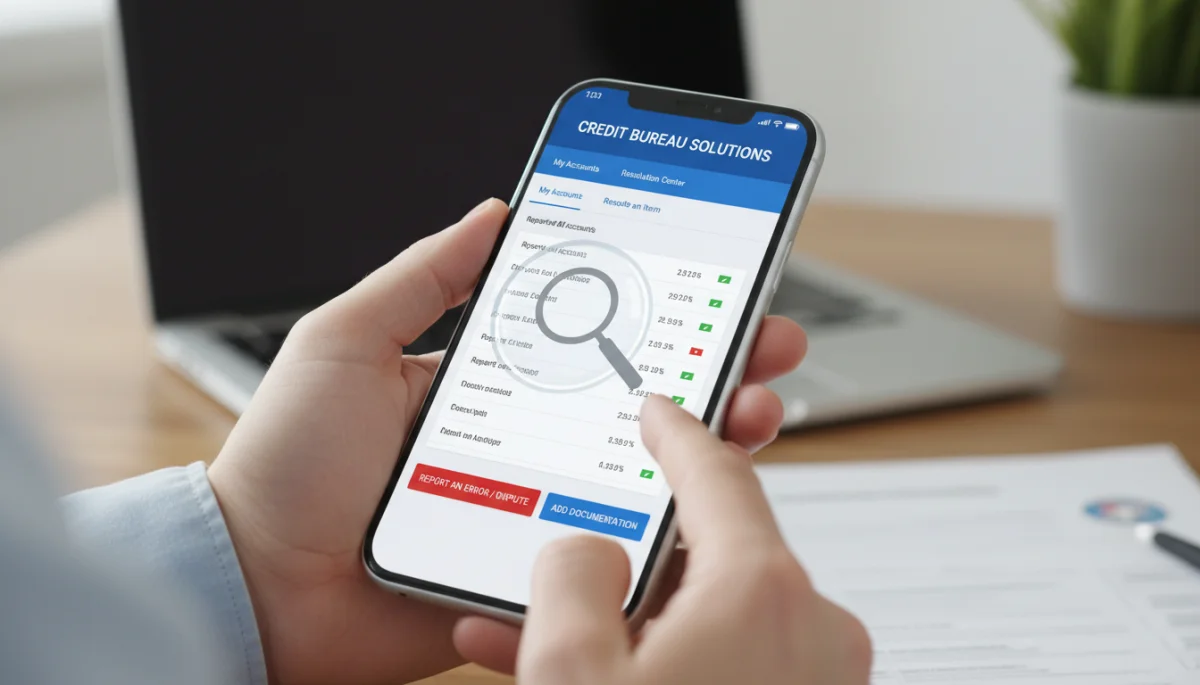
Initiating the Dispute: The 60-Day Timeline Begins
Once you have identified the errors and gathered your evidence, it’s time to formally initiate the dispute. This marks the beginning of your 60-day resolution timeline, a period during which credit bureaus and furnishers are legally obligated to investigate your claim. Acting promptly and precisely is paramount.
You have two primary avenues for initiating a dispute: directly with the credit bureau or with the data furnisher. While disputing with the credit bureau is often the first step, contacting the furnisher directly can sometimes lead to a quicker resolution, especially for clear-cut errors.
Disputing with Credit Bureaus
Each of the three major credit bureaus (Equifax, Experian, TransUnion) has its own dispute process, typically available online, by mail, or by phone. It is advisable to dispute with each bureau that reports the error.
- Utilize online dispute portals for speed.
- Send dispute letters via certified mail with return receipt requested.
- Clearly state the error and provide supporting documentation.
- Reference the FCRA in your correspondence.
The credit bureaus have 30 days (or 45 days if you provide additional information during the 30-day period) to investigate your dispute. If they cannot verify the information, it must be removed. If the investigation takes longer, the 60-day resolution window becomes crucial for follow-up.
The 60-Day Resolution Timeline: What to Expect
The 60-day timeline is a critical period for monitoring the progress of your dispute. During this time, credit bureaus and data furnishers are actively investigating your claims. Understanding what happens within this window and how to follow up effectively is vital for a successful outcome.
Patience is a virtue, but vigilance is a necessity. While the bureaus conduct their investigation, you should not simply wait. Keep track of dates, responses, and any changes to your credit report. This proactive stance ensures you can act swiftly if the resolution process falters.
Monitoring and Follow-up Actions
After initiating your dispute, closely monitor your credit reports for updates. The bureaus are required to notify you of the outcome of their investigation. If the error is corrected, you should receive an updated report.
- Regularly check your credit reports for changes.
- Follow up with bureaus if you don’t receive a response within 30-45 days.
- Consider sending a second dispute letter if the error persists.
- Contact the Consumer Financial Protection Bureau (CFPB) if issues remain unresolved.
If the investigation concludes that the information is accurate, but you still believe it’s an error, you have the right to add a statement of dispute to your credit file. This statement explains your side of the story and must be included whenever your report is accessed.
What Happens After 60 Days if Errors Persist?
If, after 60 days, the credit report errors remain unresolved, it’s time to escalate your efforts. The FCRA provides consumers with rights and remedies when credit bureaus and furnishers fail to correct inaccuracies. You are not without recourse.
While the initial dispute process relies on the bureaus’ investigation, persistent errors may require more assertive action. Understanding your options beyond the standard dispute timeline is crucial for protecting your financial integrity.
Escalating Your Dispute
When the conventional dispute process fails, several avenues are available to push for resolution. These steps involve leveraging regulatory bodies and, in some cases, legal action.
- Filing a complaint with the Consumer Financial Protection Bureau (CFPB).
- Contacting your state’s Attorney General’s office.
- Seeking legal counsel specializing in credit reporting issues.
- Considering small claims court for damages.
The CFPB is a powerful ally, as they oversee financial products and services, including credit reporting. Their intervention can often prompt bureaus and furnishers to take your complaint more seriously. Legal action, while a last resort, can be effective in compelling compliance and recovering damages caused by persistent errors.
Preventing Future Credit Report Errors
Successfully disputing credit report errors is a victory, but preventing them from recurring is the ultimate goal. Proactive measures and consistent financial hygiene can significantly reduce the likelihood of future inaccuracies, ensuring your credit profile remains accurate and strong.
Maintaining a clean credit report is an ongoing process, not a one-time fix. By adopting sound financial habits and regularly reviewing your information, you can safeguard yourself against future headaches and maintain peace of mind.
Best Practices for Credit Health
Adhering to best practices for credit management is your strongest defense against errors. This includes responsible borrowing, timely payments, and diligent record-keeping.
- Review all credit reports annually (or more frequently).
- Keep detailed records of all financial transactions and payments.
- Be cautious about sharing personal financial information.
- Monitor all financial accounts for suspicious activity.
Furthermore, maintaining open communication with your creditors can prevent many issues before they appear on your report. If you anticipate difficulty making a payment, reach out to them proactively. A strong foundation of financial responsibility is your best shield against credit report errors.
| Key Action | Brief Description |
|---|---|
| Review Reports | Regularly check all three major credit reports for inaccuracies. |
| Gather Evidence | Collect all supporting documents before initiating any dispute. |
| Initiate Dispute | Formally dispute errors with credit bureaus or data furnishers. |
| Follow Up | Monitor progress and escalate if errors persist beyond 60 days. |
Frequently Asked Questions About Credit Report Disputes
Under the Fair Credit Reporting Act (FCRA), credit bureaus generally have 30 days to investigate a dispute after receiving it. This period can extend to 45 days if you provide additional relevant information during the initial 30-day investigation window. They must also notify you of the outcome.
Yes, you can and often should dispute errors directly with the data furnisher (the creditor or company that reported the information). This can sometimes lead to a faster resolution, as they are the source of the data. However, it’s also advisable to dispute with the credit bureau simultaneously.
Effective evidence includes copies of your credit reports highlighting the error, personal identification, account statements, canceled checks, payment confirmations, and any correspondence with the creditor. The more specific and direct the evidence, the stronger your case will be during the investigation.
If your dispute is denied, you can add a statement of dispute to your credit file, explaining your side. You can also file a complaint with the Consumer Financial Protection Bureau (CFPB) or your state’s Attorney General. Legal action may be an option if the error causes significant harm.
It is recommended to check your credit reports from all three major bureaus at least once a year. However, more frequent checks, perhaps quarterly, can help you catch errors or signs of identity theft much earlier, allowing for quicker resolution and minimizing potential damage.
Conclusion
Effectively managing and disputing credit report errors is a cornerstone of sound financial health in 2026. By understanding the common types of errors, meticulously gathering evidence, and adhering to the 60-day timeline for resolution, you empower yourself to maintain an accurate credit profile. Proactive monitoring and knowing when to escalate a dispute are crucial steps, ensuring that your credit report accurately reflects your financial integrity and supports your future financial goals.