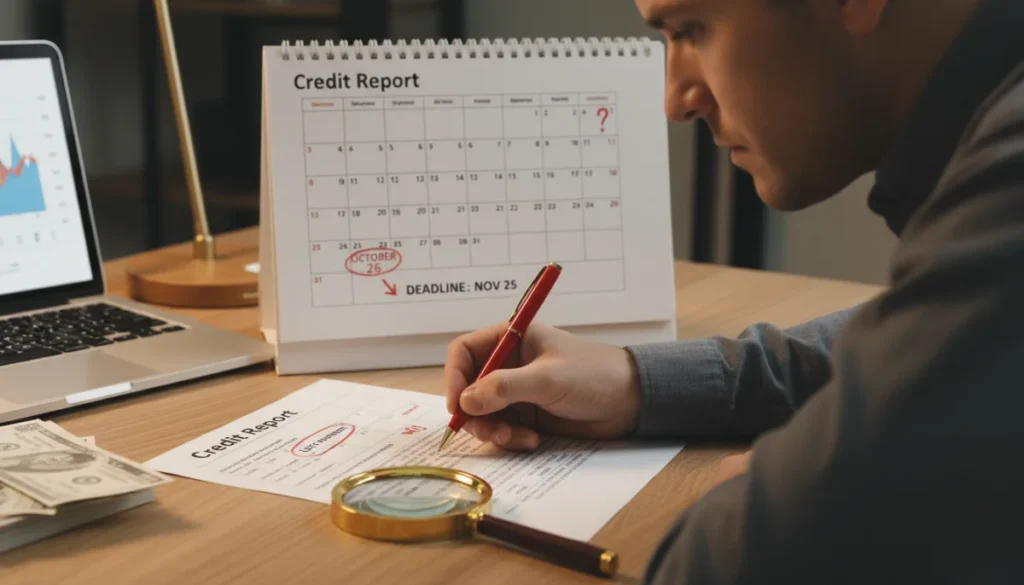
Disputing Credit Report Errors: Your 30-Day Action Plan for 2026
Effectively disputing credit report errors is crucial for maintaining a healthy financial profile. This guide provides a detailed 30-day action plan to maximize your impact in 2026, ensuring accuracy and protecting your credit score.
By: Rafaela on September 23, 2026
Effectively disputing credit report errors is crucial for maintaining a healthy financial profile. This guide provides a detailed 30-day action plan to maximize your impact in 2026, ensuring accuracy and protecting your credit score.
In today’s financial landscape, a pristine credit report is more than just a number; it’s a gateway to opportunities. Understanding how to navigate the complexities of disputing credit report errors is paramount, especially with a focused 30-day action plan for maximum impact in 2026. This comprehensive guide will equip you with the knowledge and steps needed to correct inaccuracies and fortify your financial future.
Understanding Credit Report Errors and Their Impact
Credit report errors can range from simple data entry mistakes to more serious issues like identity theft. These inaccuracies can significantly affect your credit score, leading to higher interest rates on loans, denied applications for credit cards or mortgages, and even challenges in securing housing or employment. Recognizing the types of errors and their potential consequences is the first step towards rectifying them.
It’s important to regularly review your credit reports from all three major bureaus—Experian, Equifax, and TransUnion. The Fair Credit Reporting Act (FCRA) grants you the right to a free credit report from each bureau once every 12 months through AnnualCreditReport.com. Make this a routine practice to catch errors early. Early detection is key to mitigating long-term damage.
Common Types of Credit Report Errors
Identifying common errors will make your review process more efficient. These often fall into categories that are relatively easy to spot if you know what to look for.
Identity Errors: Incorrect name, address, phone number, or social security number.
Account Errors: Accounts that don’t belong to you, closed accounts reported as open, or incorrect payment statuses.
Balance Errors: Incorrect current balances, credit limits, or loan amounts.
Duplicate Accounts: The same account listed multiple times, potentially skewing your credit utilization.
Understanding these categories helps you pinpoint problems quickly. Each error, no matter how small, can collectively impact your financial standing. Therefore, a thorough review is non-negotiable for anyone serious about their financial health.
The impact of these errors extends beyond just your credit score. They can create a ripple effect, making it harder to achieve significant life milestones. Taking proactive steps to understand and identify these errors empowers you to take control of your financial narrative. This foundational understanding sets the stage for our 30-day action plan.
Day 1-7: Gathering Your Evidence and Initiating Contact
The initial week of your 30-day plan is critical for laying a strong foundation. This involves meticulously gathering all necessary documentation and making the first formal contact with the relevant parties. Precision and thoroughness at this stage will significantly streamline the entire dispute process.
Start by obtaining fresh copies of your credit reports from all three major bureaus. While you might have recently checked them, a new report ensures you have the most current information. Highlight every single item you believe to be inaccurate, no matter how minor it seems. This systematic approach prevents overlooking any crucial details.
Documenting Discrepancies and Supporting Information
For each identified error, gather supporting documents that prove your claim. This could include bank statements, canceled checks, payment receipts, court documents, or even personal correspondence. The more evidence you can provide, the stronger your dispute will be. Keep copies of everything; never send originals.
Bank Statements: To prove payments made or account closures.
Official Correspondence: Letters from creditors confirming account status.
Personal Records: Your own detailed records of payments and account openings.
Police Reports: If identity theft is suspected.
Once your evidence is compiled, draft a formal dispute letter. This letter should clearly state each error, explain why it’s incorrect, and reference the supporting documents you’re including. Send this letter via certified mail with a return receipt requested. This provides proof that the credit bureau received your dispute.
Simultaneously, it’s often beneficial to contact the creditor directly. Sometimes, errors can be resolved quickly at the source, especially if it’s a simple administrative mistake. Keep detailed records of all communication, including dates, times, names of representatives, and summaries of conversations.
This initial week sets the tone for your dispute. A well-organized and thoroughly documented approach not only speeds up the process but also increases your chances of a favorable outcome. Do not underestimate the power of clear, concise communication backed by irrefutable evidence.
Day 8-14: Following Up and Maintaining Records
Once your initial dispute letters are sent, the next week focuses on meticulous follow-up and maintaining an organized record of all interactions. Credit bureaus typically have 30 days to investigate your dispute, but proactive monitoring can ensure your case progresses smoothly and you don’t miss any critical updates.
Start by confirming that your dispute letters were received. The certified mail return receipts will serve as your initial proof. If you haven’t received confirmation within a few days, consider calling the credit bureaus to verify they have your dispute on file. Be prepared to provide the tracking number from your certified mail.
Organizing Your Dispute File
Create a dedicated physical or digital folder for your dispute. This file should contain copies of everything you’ve sent and received. A well-organized file is invaluable for quick reference and for providing additional information if requested.
Copies of All Letters: Sent to credit bureaus and creditors.
Certified Mail Receipts: Proof of delivery.
Correspondence: Any emails, letters, or notes from phone calls.
Supporting Evidence: All documents you submitted.
During this period, avoid making new credit applications or significant financial changes that could further complicate your credit report. The goal is to keep your credit profile as stable as possible while the investigation is underway. Any new activity could potentially introduce new variables that might delay or sidetrack your dispute.
If you contacted the original creditor, follow up with them to see if they’ve initiated their own investigation. Sometimes, a direct resolution with the creditor can lead to a faster update on your credit report, bypassing the full credit bureau investigation period. However, remember that the credit bureau dispute is still your primary path.
Maintaining clear, chronological records is paramount. This systematic approach not only helps you stay on top of your dispute but also provides a clear timeline of events should you need to escalate your case further. This week is about patient vigilance and ensuring all administrative steps are diligently followed.
Day 15-21: Monitoring Progress and Preparing for Next Steps
As you enter the third week of your 30-day plan, the focus shifts to closely monitoring the progress of your dispute and strategizing for potential next steps. While credit bureaus have a statutory 30-day window, you should be actively looking for any signs of movement or communication from them.
Check your mail and email daily for updates from the credit bureaus. They are required to inform you of the outcome of their investigation. This might come in the form of a letter or an updated credit report. It’s crucial to review any communication immediately and carefully.
Understanding Investigation Outcomes
The investigation can result in several outcomes. The most favorable is that the error is removed or corrected. However, the bureau might also determine the information is accurate, or they might be unable to verify the information, leading to its removal. Be prepared for any of these scenarios.
Error Corrected/Removed: The most desired outcome, leading to an updated credit report.
Information Verified: The bureau confirms the information is accurate.
Unable to Verify: If the creditor can’t verify, the item must be removed.
Insufficient Information: Your dispute might be closed if you didn’t provide enough detail.
If the error is corrected, congratulations! Request a free updated copy of your credit report from the bureau to confirm the change. If the bureau determined the information is accurate but you still believe it’s wrong, you have further options. You can add a 100-word statement to your credit report explaining your side of the dispute.
If the credit bureau states they couldn’t verify the information and removed it, ensure it stays off your report. If the original creditor later attempts to re-report the item, they must inform you within five days. This is a rare occurrence, but it’s important to be aware of your rights.
This week is about being prepared for the various outcomes of your dispute. Understanding what each result means and having a plan for how to react ensures you remain in control of the process, even if the initial outcome isn’t what you hoped for. Proactive preparation is key to sustained success.
Day 22-30: Escalation and Long-Term Credit Health
As your 30-day action plan draws to a close, this final week focuses on escalating your dispute if necessary and establishing long-term habits for maintaining excellent credit health. Not all disputes are resolved in your favor within the initial 30 days, so knowing your next steps is crucial.
If the credit bureau’s investigation did not resolve the error to your satisfaction, or if they failed to respond within 30 days (or 45 days if you provided new information after the initial dispute), you have several avenues for escalation. Your diligent record-keeping from the previous weeks will be invaluable now.
Further Actions and Legal Recourse
Consider filing a complaint with the Consumer Financial Protection Bureau (CFPB). The CFPB acts as a mediator and can often prompt further action from credit bureaus or creditors. This is a powerful tool, as complaints are publicly recorded and can put pressure on institutions to resolve issues.
File a Complaint with the CFPB: For unresolved disputes.
Contact State Attorney General: For potential violations of consumer protection laws.
Consult an Attorney: If you believe your rights under the FCRA have been violated.
Consider a Credit Repair Company: For complex or numerous errors, but choose carefully.
Beyond resolving the immediate dispute, focus on long-term credit health. Regularly monitor your credit reports and scores. Consider signing up for a credit monitoring service that alerts you to changes or suspicious activity. This proactive approach can help prevent future errors and identify identity theft early.
Develop good financial habits: pay bills on time, keep credit utilization low, and avoid opening too many new accounts simultaneously. A healthy credit profile is a continuous effort, not a one-time fix. Your 30-day action plan is a powerful tool, but it’s part of a larger strategy for financial well-being.
This final week is about empowerment. By understanding your rights, knowing how to escalate issues, and committing to long-term credit management, you can ensure that your credit report accurately reflects your financial responsibility. Take pride in the steps you’ve taken to protect your financial future.
Preventing Future Credit Report Errors
While a 30-day action plan for disputing credit report errors is effective for current issues, prevention is always the best strategy. Establishing habits that minimize the risk of future inaccuracies is crucial for maintaining a healthy credit profile in the long run. Proactive measures can save you significant time and stress down the line.
The most fundamental preventative measure is consistent credit report monitoring. Make it a habit to check your credit reports from all three major bureaus at least once a year, utilizing your free annual reports. Some financial institutions also offer free credit score and report monitoring services, which can provide more frequent updates.
Best Practices for Credit Management
Adopting sound credit management practices significantly reduces the likelihood of errors appearing on your report. These practices are not complex but require discipline and consistency.
Pay Bills On Time: Late payments are a common negative mark; set up auto-pay or reminders.
Keep Credit Utilization Low: Aim to use less than 30% of your available credit on revolving accounts.
Review Account Statements: Cross-reference your credit card and loan statements with your credit report.
Shred Financial Documents: Protect yourself from identity theft by destroying sensitive information.
Be cautious about sharing your personal information. While necessary for certain transactions, always verify the legitimacy of requests for your Social Security number, account numbers, or other sensitive data. Phishing scams and data breaches are common sources of information that can lead to fraudulent accounts on your credit report.
Consider placing a fraud alert or credit freeze on your credit reports if you suspect you’ve been a victim of identity theft. A fraud alert requires creditors to verify your identity before extending new credit, while a credit freeze prevents new credit from being opened in your name entirely. These are powerful tools for protection.
By integrating these preventative strategies into your financial routine, you can significantly reduce the chances of encountering credit report errors. This proactive approach not only protects your credit but also instills a greater sense of control and confidence over your financial well-being, ensuring a smooth financial journey for years to come.
Key Step
Brief Description
Review Reports
Obtain and meticulously check all three credit reports for inaccuracies.
Gather Evidence
Collect supporting documents for every identified error.
Send Dispute Letters
Mail formal dispute letters via certified mail to credit bureaus and creditors.
Follow-Up & Escalate
Monitor progress and escalate to CFPB if issues persist after 30 days.
Frequently Asked Questions About Credit Disputes
How long does it take for credit bureaus to investigate a dispute?▼
Credit bureaus generally have 30 days to investigate a dispute from the date they receive your supporting documents. This period can extend to 45 days if you provide additional relevant information after the initial dispute submission.
What should I do if the credit bureau denies my dispute?▼
If your dispute is denied, you can add a brief statement (up to 100 words) to your credit report explaining your side. You can also file a complaint with the Consumer Financial Protection Bureau (CFPB) or consult with an attorney for further options.
Can I dispute items directly with the creditor?▼
Yes, you can dispute errors directly with the creditor. This can sometimes resolve issues faster, especially for simple mistakes. However, it’s always advisable to also dispute with the credit bureaus to ensure the information is corrected across all reports.
How often should I check my credit report?▼
You should check your credit report from each of the three major bureaus at least once a year through AnnualCreditReport.com. More frequent monitoring, possibly through credit monitoring services, can help detect errors or fraud sooner.
What types of errors are most common on credit reports?▼
Common errors include identity mistakes (wrong name/address), account errors (accounts not yours, incorrect payment status), balance inaccuracies, and duplicate accounts. These can all negatively impact your credit score if not corrected promptly.
Conclusion
Successfully navigating the process of disputing credit report errors within a targeted 30-day timeframe can significantly enhance your financial standing. By diligently following each step—from meticulous documentation and formal dispute initiation to vigilant follow-up and strategic escalation—you empower yourself to correct inaccuracies and protect your credit score. Remember, a healthy credit report is a cornerstone of financial freedom, opening doors to better rates and opportunities. Implement this action plan, commit to regular credit monitoring, and embrace proactive financial management to secure a robust financial future in 2026 and beyond.